
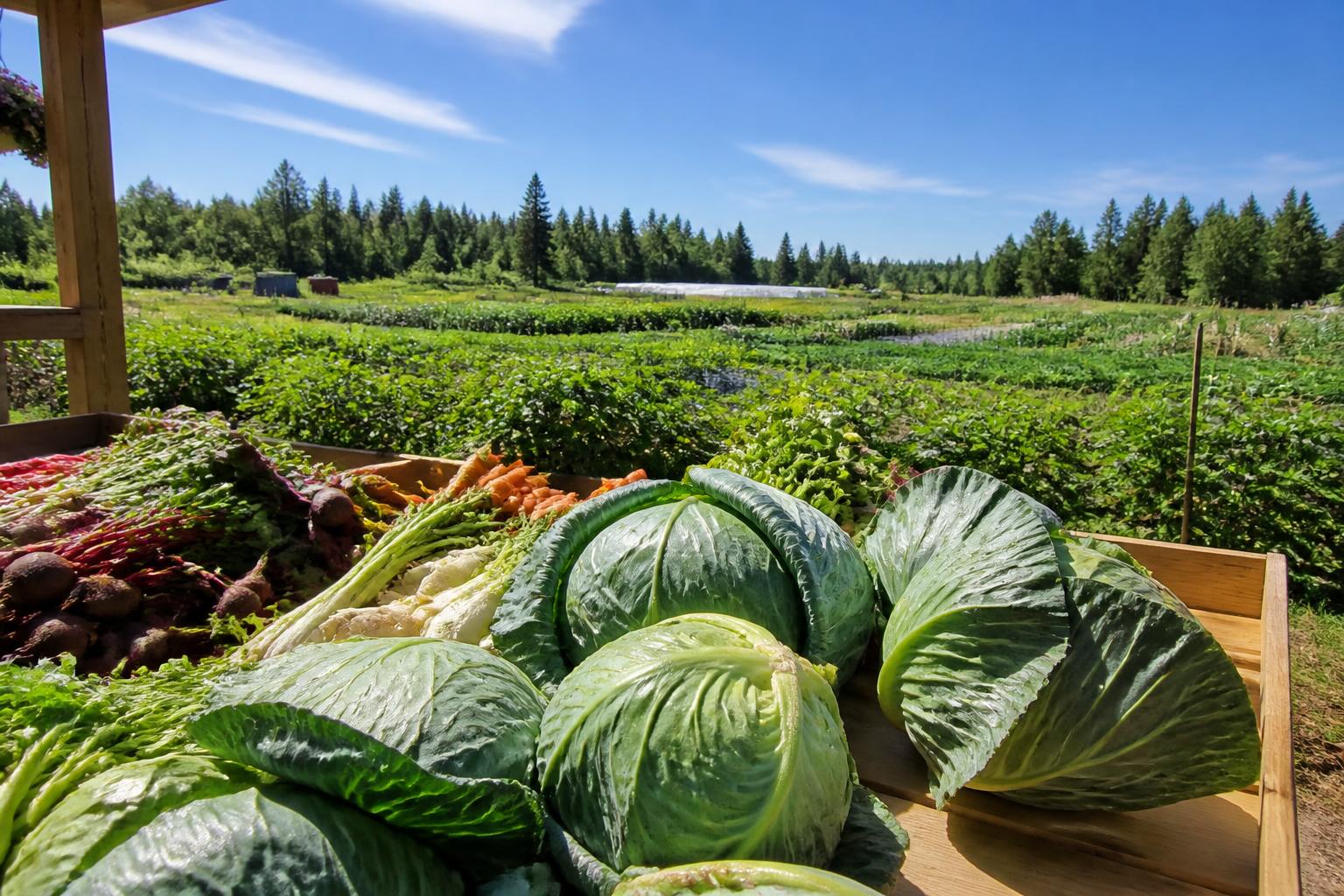
Navigating Thawing Soils and Permafrost Dynamics
One of the most complex aspects of farming in Alaska is managing the relationship between active cultivation and underlying soil structures. In some northern and interior agricultural zones, thawing permafrost is actively reshaping the landscape. While a longer, warmer growing season can open up new land for cultivation, the degradation of permafrost often leads to uneven land subsidence, sinkholes, and severe drainage issues.
To mitigate these risks, growers are focusing on minimal-tillage practices and cover cropping to insulate the soil and prevent erosion. Maintaining structural integrity is essential, which is why local producers are prioritizing soil health and crop protection in peak summer. Protecting the topsoil from excessive run-off during the summer thaw ensures that vital nutrients remain accessible to fast-growing crops rather than leaching away.
Managing Rapid Weed Growth and Toxic Species
The intense summer daylight hours compress the growing cycle, causing both cash crops and weeds to grow at extraordinary rates. Fast-spreading weeds can quickly crowd out young brassicas, potatoes, and grains. In addition to common agricultural weeds, land managers must stay vigilant against toxic native plants such as water hemlock, which pose severe risks to livestock and require targeted eradication.
Applying crop protection products under these rapid growth conditions requires careful timing. Systemic herbicides and organic controls must be applied when plants are actively growing but before they bolt, ensuring maximum efficacy. Because Alaska's environmental conditions can vary wildly between the coastal regions and the interior, customized, localized spray programs are essential for preventing crop damage and minimizing chemical run-off.
Overcoming Northern Supply Chain and Logistics Hurdles
Securing crop protection products and fertilizers is a constant challenge for Alaska's agricultural sector due to its geographic isolation. Most inputs must travel long distances via marine highways, rail lines, or the Alaska Highway before reaching local retail cooperatives. Any disruption along these transport corridors can delay critical mid-season applications.
To combat these bottlenecks, growers are increasingly coordinating bulk orders well ahead of the spring planting rush. Ensuring that regional distributors have adequate inventory is critical, which is why summer crop protection and input logistics remain top priorities for state agricultural agencies and local farm bureaus looking to stabilize the food supply.
Key Takeaways for Alaska Growers
- Monitor soil subsidence: Keep a close eye on fields prone to permafrost thaw to prevent water-logging and structural erosion.
- Act early on weed control: Implement herbicide and mechanical weeding strategies before fast-growing summer weeds mature.
- Coordinate supply chains: Work with local cooperatives to secure late-summer inputs ahead of time to avoid shipping delays.
What it means for the market
For the Alaskan agricultural market, success relies on proactive risk management and resilient supply chains. As the state continues to invest in local food security through targeted grants and high-latitude crop research, growers who master localized crop protection and soil conservation will be best positioned to thrive. Securing inputs early and adopting conservation-minded cultivation practices will remain the cornerstone of sustainable farming in the subarctic.
Comments
No comments yet - be the first to share your take.