
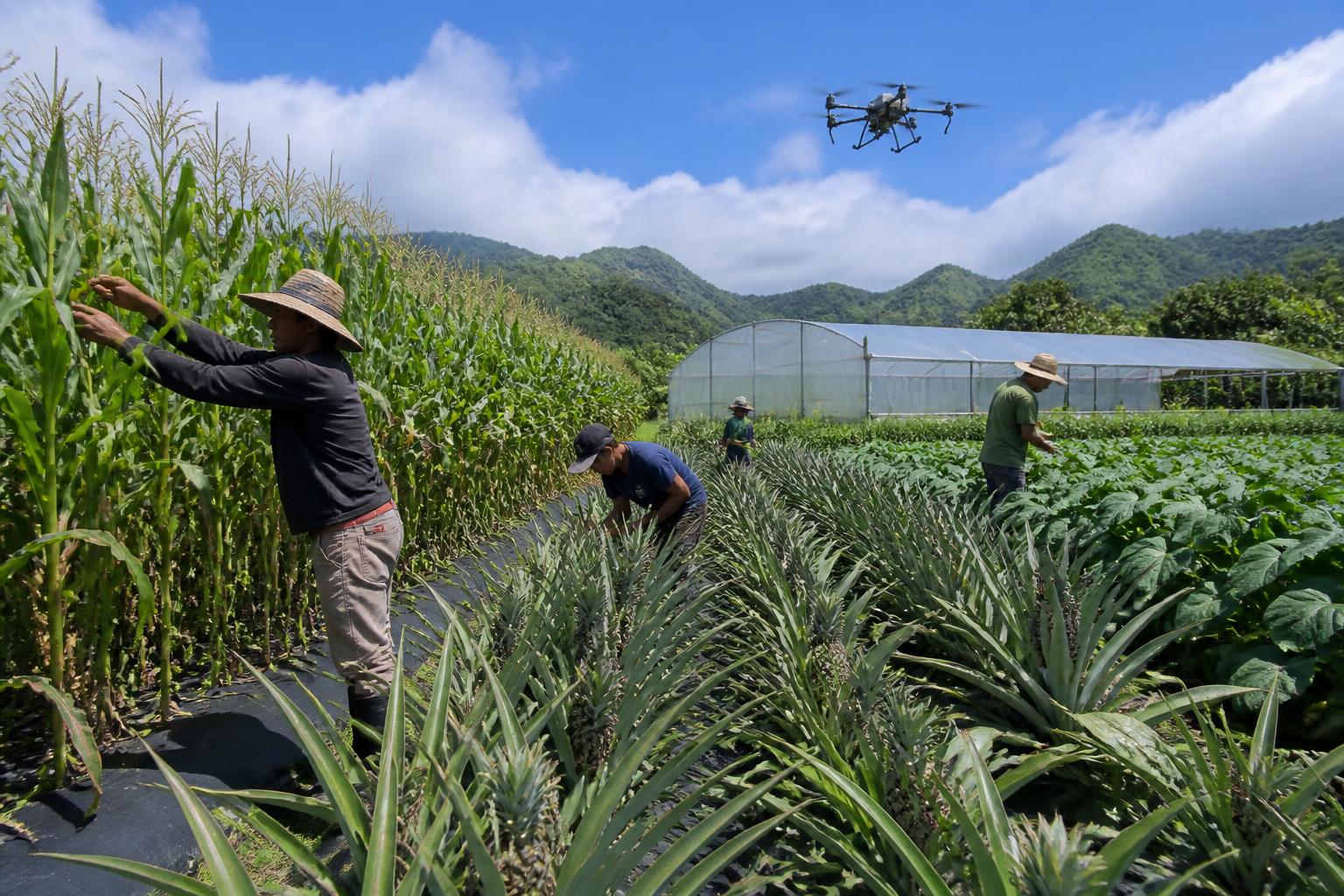
Hawaii's agricultural footprint continues to be defined by its unique role in the global seed corn industry. For many operations across the islands, the mid-summer period serves as a critical window for managing field logistics and maintaining the high-tech infrastructure required for year-round production cycles. As growers navigate these demanding schedules, the efficiency of island-based seed facilities remains a focal point for regional agribusinesses.
The Evolving Landscape of Seed Operations
The state has long served as a hub for seed corn research and development, a sector that relies heavily on favorable climate conditions to maintain consistent growth cycles. Recent years have seen these operations adapting to various regulatory frameworks, which influence how large-scale farms manage their land and water resources. For those integrated into this supply chain, the intricacies of seed production and logistics continue to define Hawaii grain market dynamics, requiring careful coordination between field teams and export logistics providers to ensure quality standards are met for mainland partners.
Operational Nuances for Island Farmers
Beyond the seed sector, Hawaii's broader agricultural community is increasingly focused on diversifying local food systems. Whether moving livestock feed or coordinating niche crop production, farmers are often balancing the costs of importing inputs with the logistical realities of inter-island transport. The push for more formalized organic certification and expanded farming practices suggests a desire to provide higher value for local consumers, though these transitions require significant investment in both technology and compliance oversight.
What it means for the market
For agribusiness stakeholders, the current outlook remains anchored in the stability of high-value seed exports. While the industry faces ongoing scrutiny regarding environmental and land-use policies, it remains the primary driver of grain-related economic activity in the state. Producers and suppliers should continue to monitor shifts in state-level agricultural policies, as updates to land-use regulations will likely impact operational costs and expansion opportunities for both legacy seed firms and emerging local food initiatives.
Comments
No comments yet - be the first to share your take.