
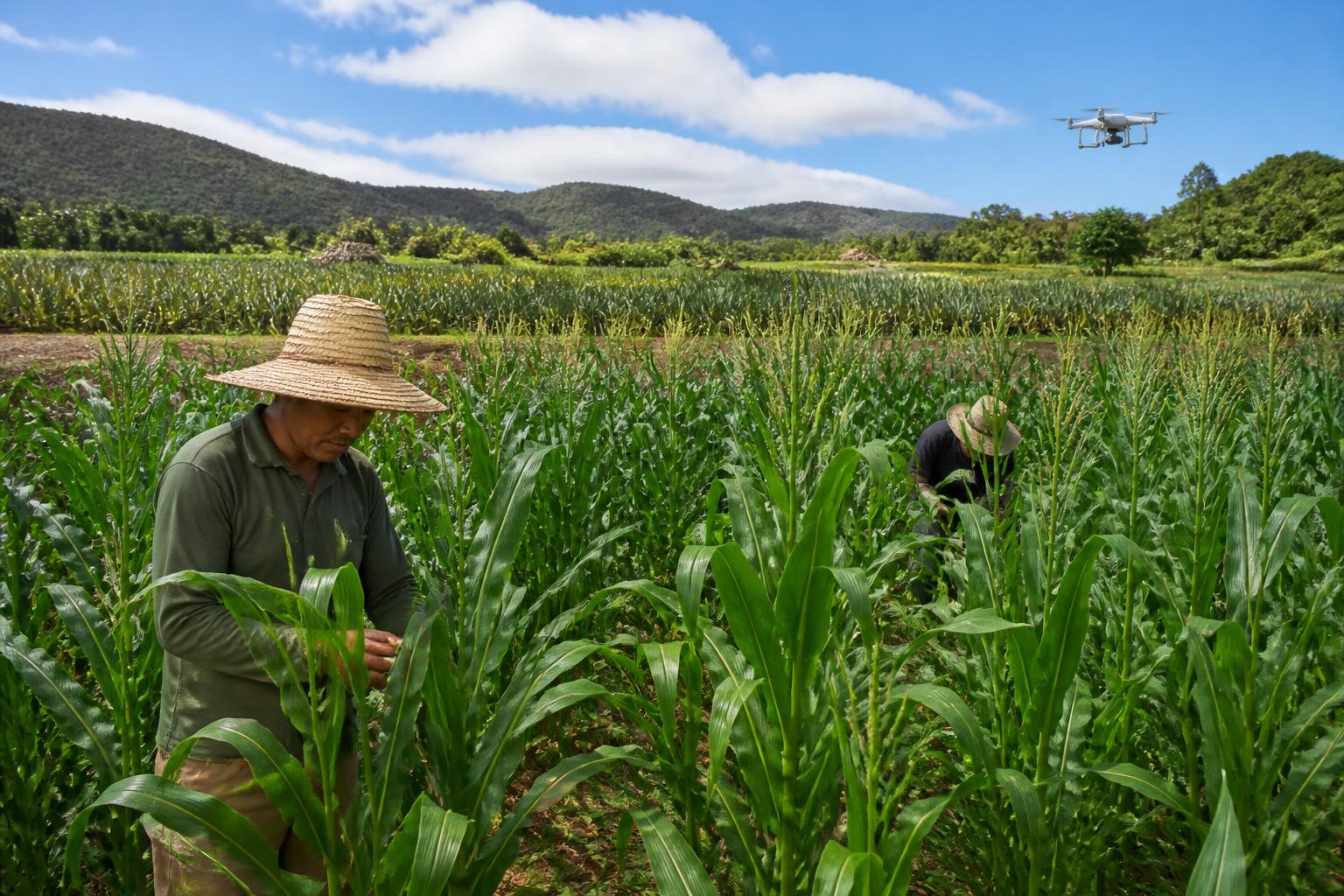
Unlike the massive bulk grain belts of the U.S. mainland, Hawaii's grain economy is defined by high-value crop development, specialized logistics, and a push for localized feed security. As the summer season progresses, Hawaii's agricultural sector continues to balance its unique role as a global hub for parent seed corn production with the ongoing challenge of securing affordable livestock feed for local operations.
With a year-round growing season, the islands have historically provided a crucial testing and propagation ground for the global seed industry. However, high operational costs, shipping vulnerabilities, and a shifting regulatory landscape are driving local agribusinesses to adapt their production models and explore new technologies to build a more resilient island economy.
The Pivotal Role of Hawaiian Seed Corn
For decades, the transition away from sugarcane and pineapple monoculture paved the way for Hawaii to become a cornerstone of global seed corn production. The state's microclimates and consistent temperatures allow seed companies to harvest multiple crop generations in a single year, dramatically accelerating the breeding cycle. This continuous production capacity is vital for ensuring genetic diversity and crop resilience on a global scale.
While the seed industry remains an economic driver, it operates under intense scrutiny regarding land use and environmental practices. Local producers must carefully navigate community relations and evolving county-level guidelines while maintaining the strict biosecurity protocols necessary to protect high-value genetics. The summer months often bring dry conditions to the leeward sides of the islands, requiring precision irrigation management to maintain optimal crop development.
Addressing Feed Logistics and Local Self-Sufficiency
While seed corn is exported, Hawaii's livestock and poultry sectors face a persistent deficit in locally produced feed grains. The majority of feed wheat, barley, and grain mixes must be imported via maritime shipping containers, exposing local ranchers to mainland price fluctuations and West Coast shipping disruptions. High shipping rates directly impact the bottom line for local beef, pork, and dairy producers.
To mitigate these costs, agricultural stakeholders are examining ways to close the loop. Some local initiatives, backed by private-public partnerships and major retailers, are exploring methods to increase island self-sufficiency by producing localized animal feed and forage. For operations looking to secure high-quality feed, the option to buy grain in Hawaii through specialized local distributors remains critical to maintaining livestock health without relying entirely on volatile spot-market imports.
AgTech, Organics, and the Summer Outlook
Technology is increasingly stepping in to address both security and labor challenges on Hawaiian farms. High-tech security systems, including autonomous robotics, are being deployed to monitor remote fields and secure valuable crop research assets. Concurrently, the state is leading efforts to help local growers obtain organic certification, providing a potential high-value avenue for diversified grain and specialty crop farmers targeting premium local markets.
As summer field preparations continue, crop managers are combining these modern security measures with climate-smart agronomy. Incorporating modern management systems is critical, as precision agriculture and seed security are key factors driving the island's summer operational plans. Managing water resources and soil health during the drier summer months remains the primary focus for farm managers across Oahu, Maui, and Kauai.
What it means for the market
For Hawaii's agribusinesses, the primary market objective is balancing high-value export seed contracts with the high cost of imported inputs. Grain handlers, seed crop managers, and livestock producers must focus on logistics planning and local crop diversification to buffer against supply chain shocks. As state programs lower the barriers to organic certification and technology firms introduce advanced field-monitoring solutions, Hawaii's grain sector is slowly shifting toward a highly specialized, secure, and integrated model designed to withstand both climatic and economic pressures.
Comments
No comments yet - be the first to share your take.