
As the mid-summer heat intensifies across Virginia, agricultural producers are increasingly focused on balancing essential input needs with the realities of a shifting cost landscape. With crop development in full swing from the Eastern Shore to the Shenandoah Valley, managing nitrogen and other fertilizer applications has become a primary lever for protecting thin margins.
Recent industry analysis suggests that the path forward for many operations lies in smarter, precision-based nutrient strategies. By prioritizing soil testing and timing applications to match peak plant uptake, growers may be able to maximize the efficiency of their fertilizer investment. This transition toward more refined nutrient management is not just a defensive measure against market volatility but also an effort to align with long-term soil health objectives.
Refining Input Efficiency
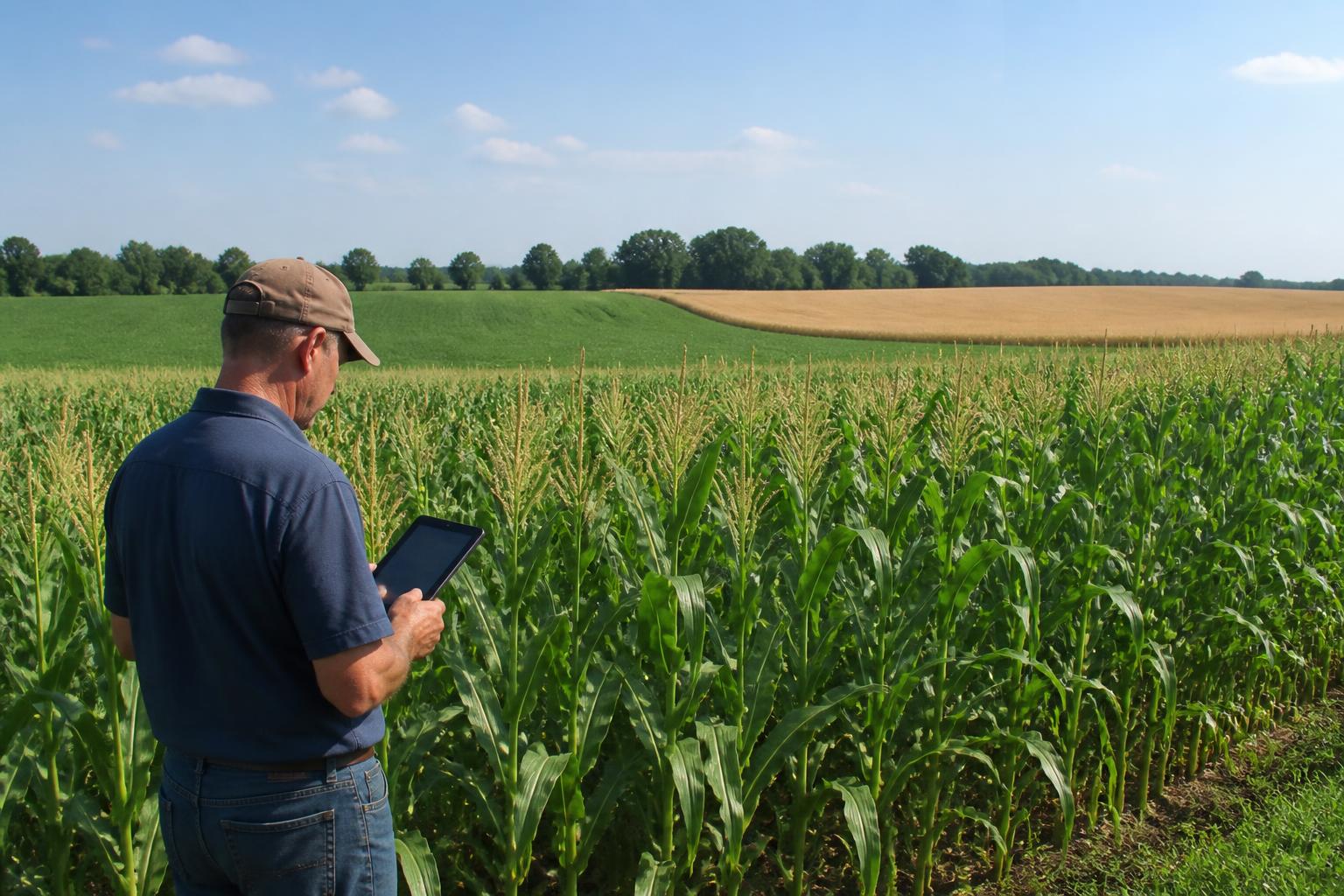
For many Virginia growers balancing rising fertilizer costs, the focus has shifted from blanket applications to variable-rate technologies. Integrating technological advancements into daily farm management can help ensure that nutrients are available exactly when and where the crop needs them most. This approach often reduces waste, which can be critical when global market pressures fluctuate.
The Broader Market Context
Virginia farmers often operate within a complex web of logistical and regulatory factors. Whether navigating the complexities of regional soil health initiatives or staying informed on the latest nutrient management regulations, the ability to pivot remains a competitive advantage. Maintaining a close watch on regional grain market trends and supply chain health helps producers anticipate how shifts in global commodities might impact their local input access as the season progresses.
Key Takeaways
- Prioritize localized soil testing to tailor nutrient packages to current crop development stages.
- Explore precision application tools to mitigate the impact of fluctuating retail prices for synthetic fertilizers.
- Stay engaged with regional agricultural technology updates to identify scalable efficiency improvements for next season.
What it means for the market
For Virginia agribusinesses and grain handlers, these shifts signal a sustained interest in professional advisory services and precision agriculture hardware. As producers look to optimize every dollar spent on inputs, those positioned to provide data-backed agronomic support may see increased demand, reflecting a broader regional push toward sustainable operational stability in an unpredictable global commodity market.
Comments
No comments yet - be the first to share your take.