
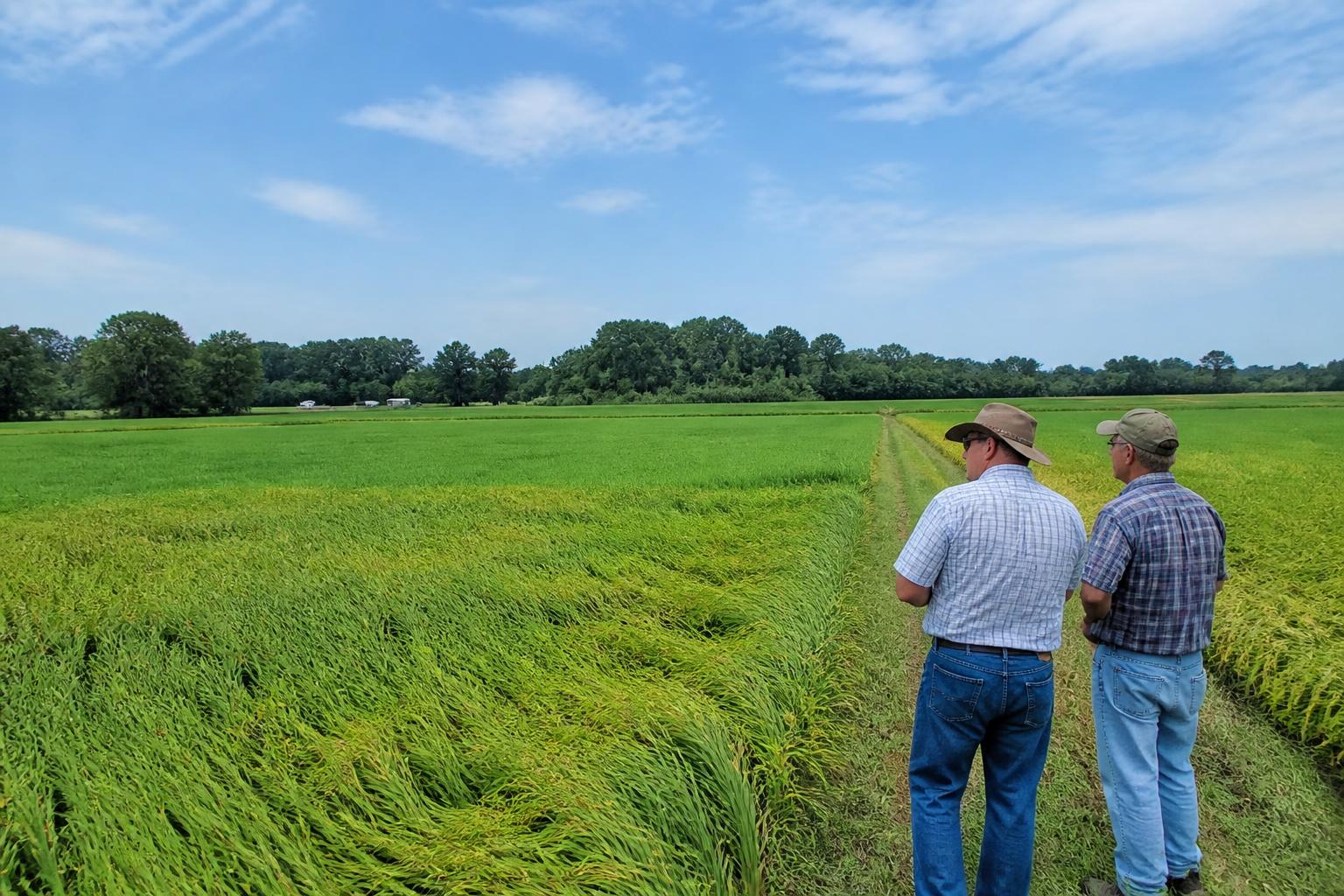
As Arkansas agriculture progresses through the mid-summer season, growers across the Delta are balancing the demands of crop development with an increasingly complex logistical and economic environment. With crops reaching critical stages, from rice maturation to soybean pod development, the focus shifts toward maintaining yield potential while managing the overhead associated with essential inputs and supply chain flow.
Navigating Logistical Shifts
Logistical challenges remain a constant factor for Arkansas handlers and growers, particularly as regional freight demands fluctuate. The recent expansion of logistics infrastructure in Little Rock underscores the ongoing efforts to streamline the movement of agricultural commodities, helping to alleviate some of the pressure often felt by elevators and transport providers during high-volume periods. For more context on managing these movements, see our latest Arkansas logistics update regarding river levels and seasonal pressures.
Input Cost and Resource Management
Producers continue to monitor the volatility of key inputs like urea and diesel, which are essential for supporting late-season crop health. Market indicators suggest that price fluctuations in these sectors can significantly impact the bottom line for the current growing year. Furthermore, ongoing research into milling optimization and field-level tissue testing provides valuable data for farmers looking to maximize quality and yield despite external economic constraints.
Policy and Research Support
Industry leaders remain engaged in discussions concerning federal farm policy to ensure that Arkansas producers have the necessary safety nets. Concurrently, regional support for agricultural research—such as funding allocated for wheat development and ongoing efforts to mitigate pest impacts like soybean cyst nematodes—continues to play a vital role in securing the long-term viability of the state's diverse commodity landscape.
What it means for the market
For farmers and agribusinesses, the current environment demands a disciplined approach to inventory and logistics. Given the susceptibility to both input price spikes and shifting transport capacity, proactive coordination with local grain buyers and logistics partners is critical. Keeping a close watch on field conditions and regional infrastructure developments will be necessary to navigate the remainder of the summer season effectively.
Comments
No comments yet - be the first to share your take.