
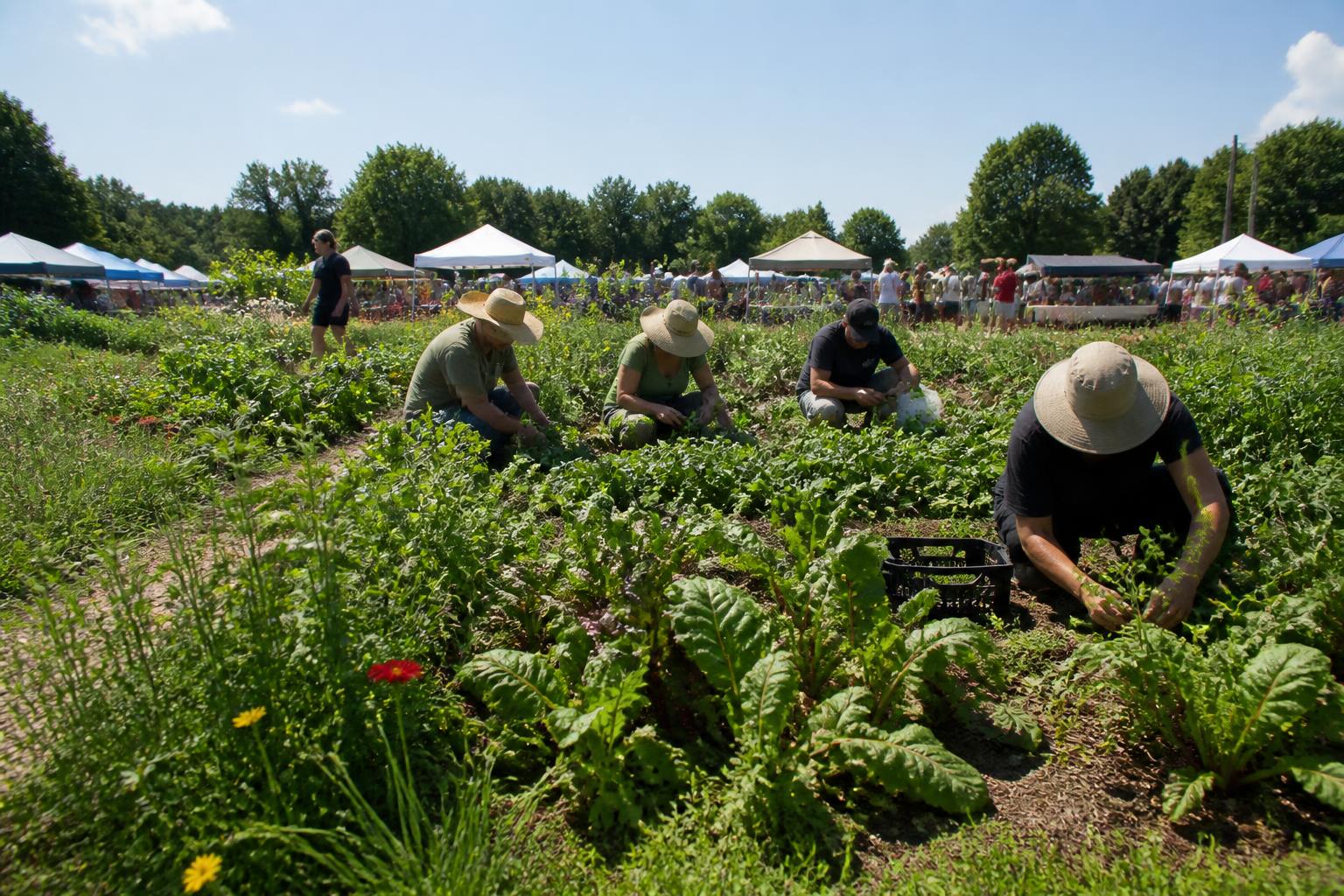
Focusing on Soil Health and Seasonal Resilience
As we move through the heat of July, New Hampshire producers are centering their operational strategies on long-term field vitality. Current efforts to integrate cover cropping, such as those projects facilitated by local conservation districts, are highlighting the importance of building organic matter and mitigating erosion during the more intense weather patterns typical of a New England summer. For operators across the Granite State, from the fertile Connecticut River Valley to the rocky soils of the Seacoast, maintaining consistent soil moisture levels remains a top priority during this high-growth month.
The emphasis on regional sustainability often mirrors broader land preservation trends that seek to secure the viability of small-to-midsize farming operations. By focusing on site-specific soil management, growers can potentially improve overall yields while navigating the unique challenges of our state's diverse topography and variable climate conditions.
Expanding Direct-to-Consumer Market Access
Market dynamics in New Hampshire continue to show robust interest in locally sourced goods. Whether moving produce through community markets or exploring value-added products, the proximity to robust consumer centers remains a competitive advantage for many farms. Recent adjustments in state-level regulatory frameworks regarding meat and food processing have opened additional doors for producers looking to diversify their income streams and capture more value closer to the point of origin.
As these local markets mature, the shift toward transparent, high-quality sourcing is becoming a standard expectation for many buyers. This creates a practical opportunity for farmers to differentiate their offerings, particularly when they can demonstrate the agricultural stewardship practices employed during the peak summer growing window.
What it means for the market
For grain handlers and crop producers, the current environment suggests a transition toward higher-value, specialized market segments. While large-scale commodity volatility remains a factor, the local New Hampshire market is increasingly defined by the reliability of regional supply chains and the increasing consumer preference for homegrown transparency. Staying connected with local soil health initiatives and leveraging updated processing regulations can provide the necessary stability to thrive in this evolving season.
Comments
No comments yet - be the first to share your take.