
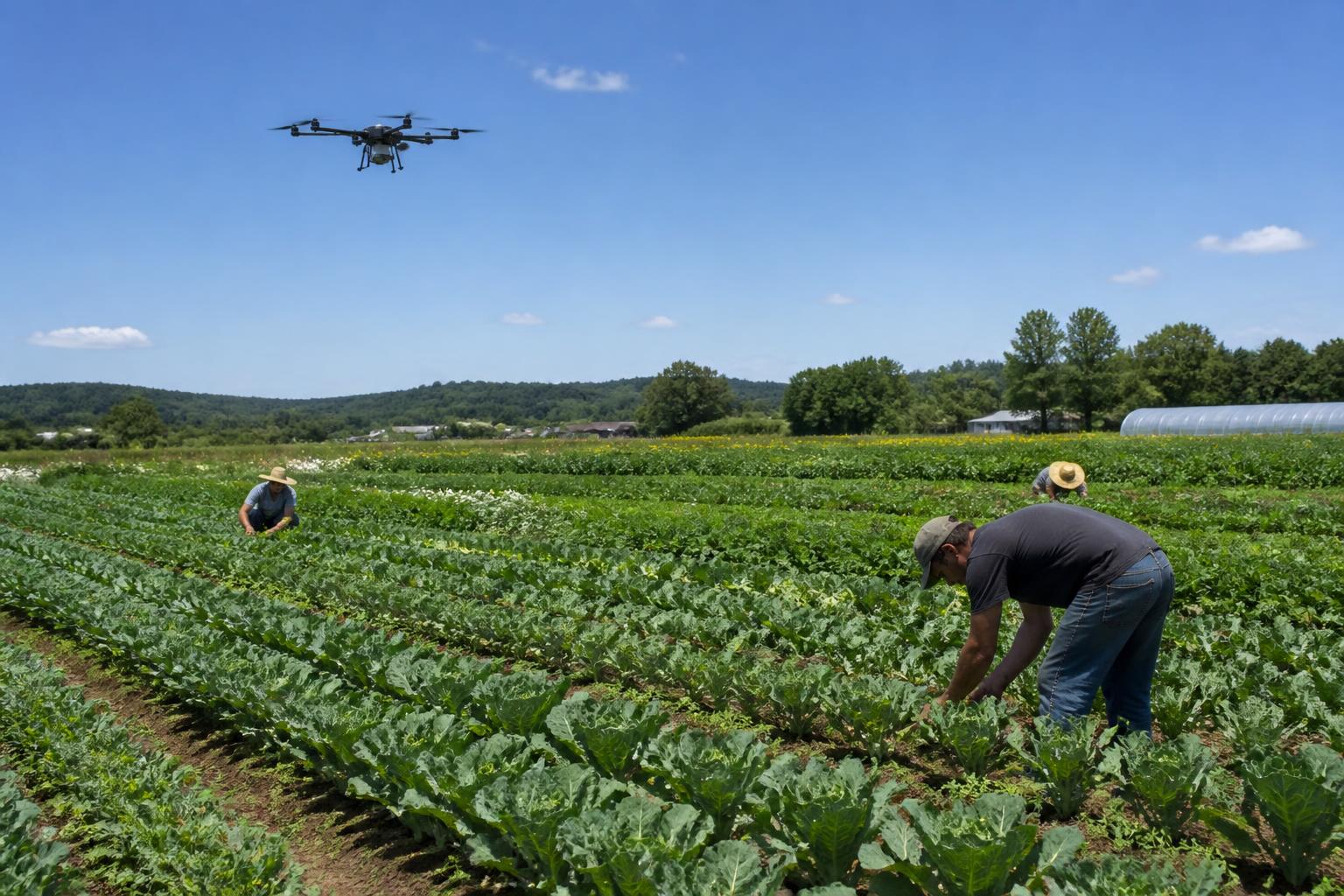
For Connecticut agricultural producers, the mid-summer stretch often brings a complex mix of operational challenges. While local farms continue to play a vital role in the state's economy, contributing significantly to the regional financial landscape, recent market conditions have introduced new layers of uncertainty. Producers across the state are reporting increased pressure as the cost of essential inputs, including fertilizers and feed, remains high, straining bottom lines during critical growth phases.
These financial headwinds are further complicated by ongoing labor shortages that have become a defining feature of the current agricultural climate in Connecticut. As farms in counties ranging from Litchfield to Windham look to balance productivity with restricted workforce availability, many are seeking efficiency gains through both technology and alternative resource management. The focus is increasingly shifting toward long-term sustainability to buffer against the broader economic fluctuations often felt in the mid-season grain and input markets.
Adapting to Supply Chain Realities
The current volatility in input costs necessitates a more precise approach to farm management. Many producers are exploring ways to optimize fertilizer application rates, often leveraging precision technology to ensure that nutrient delivery is as efficient as possible. By reducing waste and focusing on crop-specific requirements, operators can better manage the impact of elevated commodity pricing.
Innovation as a Strategic Pivot
Technological adoption, from advanced drone-based monitoring to the integration of specialized biological inputs, is helping some regional operators reclaim margins. While the adoption curve varies, the interest in tools that offer data-driven insights into soil health and pest management is clearly rising. Furthermore, research initiatives focused on developing environmentally friendly turf and crop varieties are offering a glimpse into future production methods that could potentially lower long-term maintenance costs.
What it means for the market
For the average agribusiness or grain handler, these trends signal a period of cautious adjustment. As Connecticut farmers prioritize cost-containment and productivity, suppliers who offer flexible solutions, stable pricing structures, and efficient delivery models are likely to see sustained demand. The resilience of the state's agricultural sector will ultimately depend on this ability to pivot toward more integrated, cost-effective, and technology-forward operations as the summer season progresses.
Comments
No comments yet - be the first to share your take.