
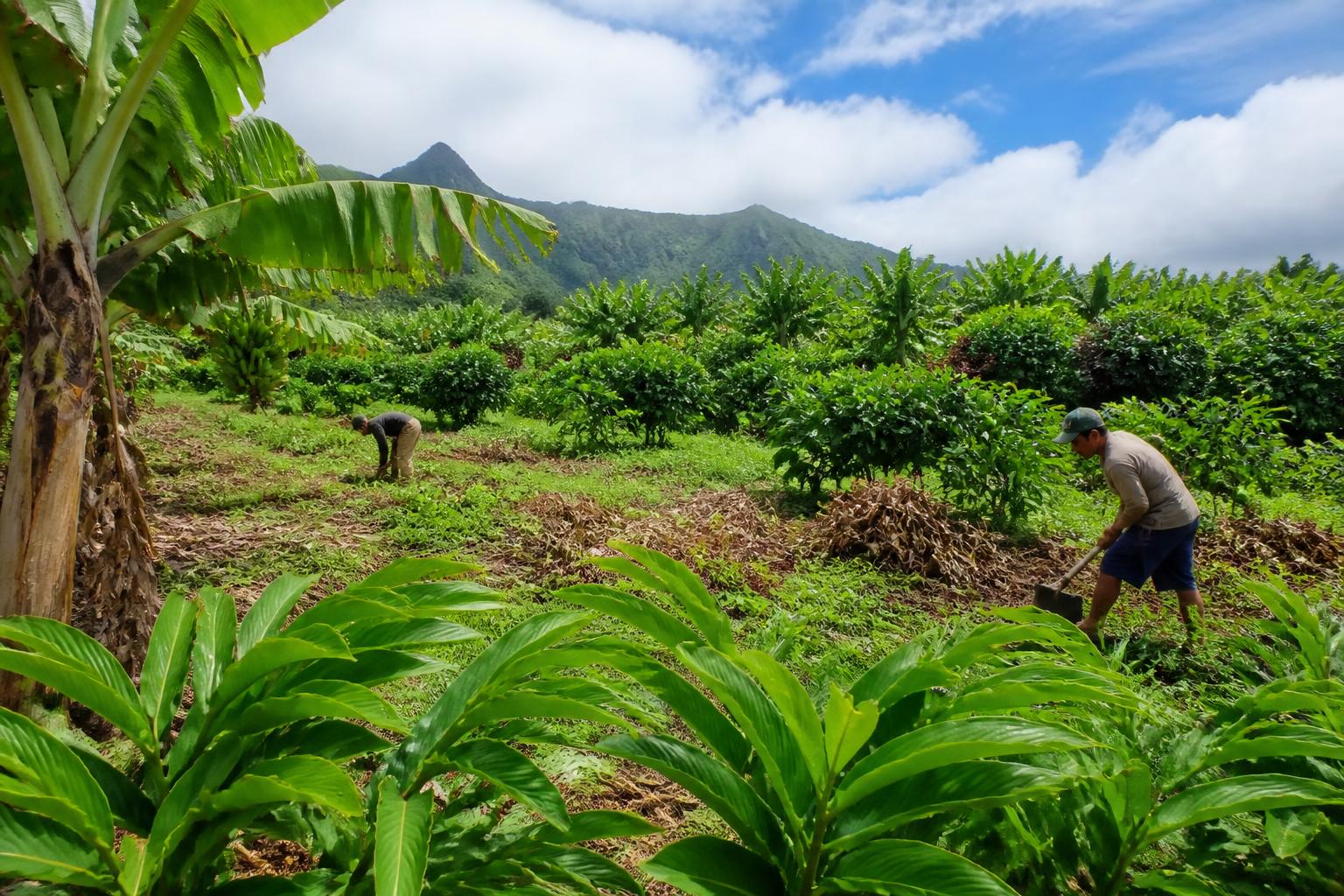
As mid-summer operations continue across Hawaii, farmers are managing the dual pressures of environmental volatility and infrastructure limitations. Recent reports of significant damage from flooding have underscored the fragility of local farming operations, leaving many producers without a necessary financial safety net as they navigate the challenges of the current season.
For those managing grain and seed production, the focus remains on maintaining operational consistency despite external disruptions. The ongoing need for capital access continues to be a central theme for agribusinesses across the islands, as local farmers look for ways to fortify their facilities against future weather events and improve their bottom lines.
Managing Field and Logistics Pressures
The agricultural landscape in Hawaii is unique, often requiring high-intensity management of niche crops in a climate that can shift rapidly. Growers are increasingly exploring methods to mitigate risk, ranging from improved drainage solutions to diversifying crop portfolios. Logistics remain a critical component, with inter-island connectivity serving as a lifeline for moving inputs and distributing yields from local fields to major markets.
Sustainability and Regulatory Shifts
Beyond weather-related hurdles, the regulatory environment continues to evolve. Discussions regarding land use and environmental compliance for specialized farming sectors, such as seed research, remain at the forefront of policy debates. Agribusinesses must stay alert to how legislative changes at the state level could shift operational requirements, particularly concerning environmental reviews and land management mandates.
Key Takeaways
- Financial resilience is a priority as farmers seek better access to capital to offset losses from recent weather events.
- Regulatory oversight remains a major topic for seed and grain producers across Hawaii.
- Operational efficiency hinges on navigating the unique logistical demands of island-based agriculture.
What it means for the market: Producers should anticipate continued volatility in overhead costs as they reinvest in infrastructure and navigate a tightening regulatory environment. Engaging with local agricultural networks for financial resources and staying updated on regional legislative changes will be vital for maintaining market positioning throughout the remainder of the summer season.
Comments
No comments yet - be the first to share your take.