
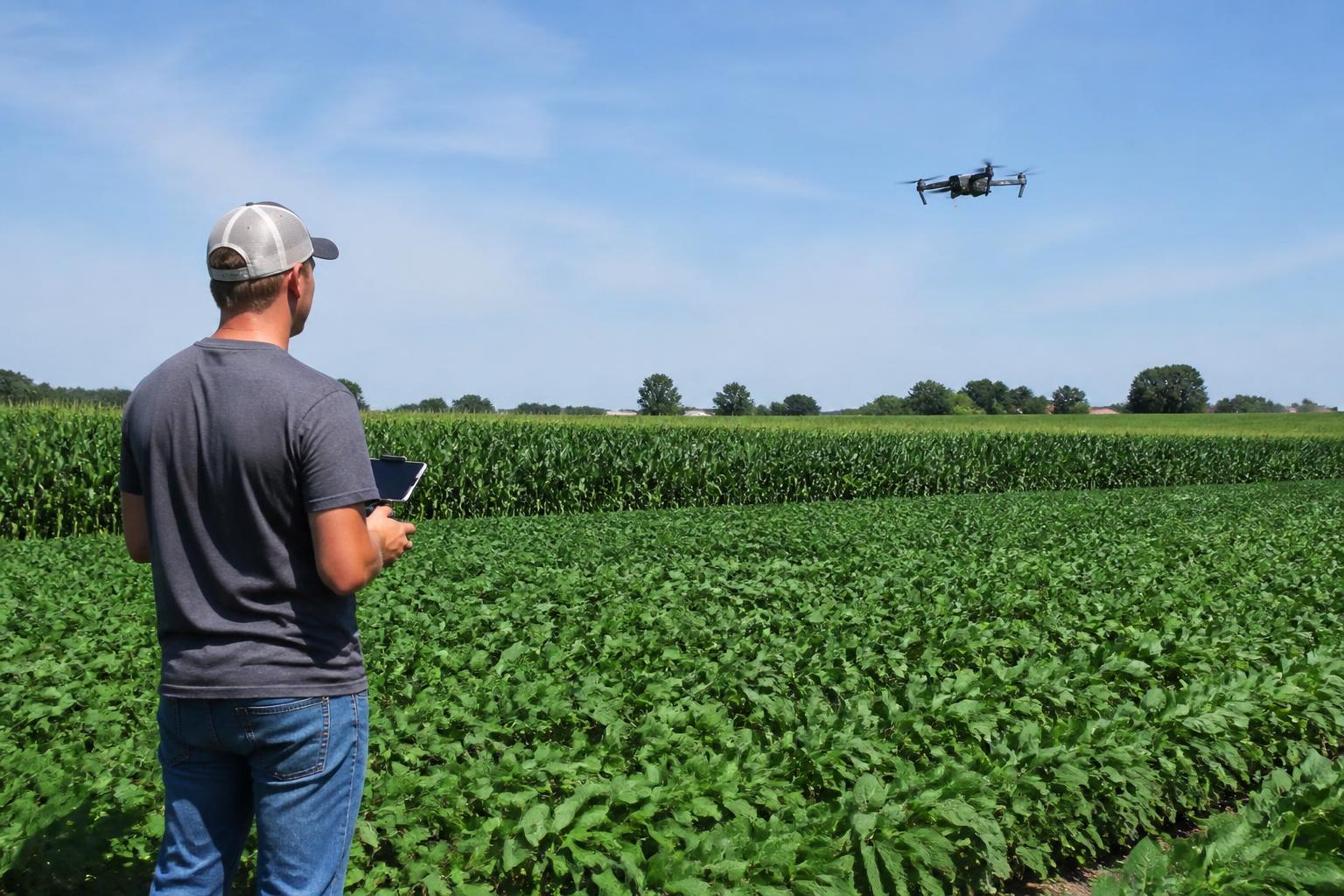
Mid-summer in Illinois often brings a critical window for crop management as fields reach peak development stages. Producers across the state, from the fertile northern plains to the rolling landscapes of southern Illinois, are currently keeping a close watch on potential threats to yield potential. Recent reports suggest that soybean crops in parts of the region are contending with a surge in Red Crown Rot, requiring diligent scouting and informed decision-making to mitigate long-term impacts.
Beyond immediate disease pressures, the broader agricultural landscape remains focused on efficiency and cost management. Navigating input budgets during a period of market volatility continues to be a priority, with many operators evaluating the necessity of various crop protection strategies to keep operations profitable without compromising yield. The industry is also seeing a shift toward long-term planning, with a younger generation of farmers increasingly integrating drone technology and other precision tools to optimize input placement and monitor field health more granularly.
Adapting to a Shifting Market Environment
Investment and trade sentiment remain central topics for Illinois agribusinesses. With recent discussions surrounding state-level trade dynamics and the ongoing evaluation of national agricultural funding, the focus for many remains on resilience. Producers who think ahead, building strategies that anticipate shifts over the coming decades, appear better positioned to navigate the cyclical nature of commodity markets.
Efficiency in logistics and infrastructure also plays a vital role. As the state explores new initiatives for rural connectivity and resource distribution, local depots and improved supply chain efficiency are often cited as potential solutions for managing biomass logistics and handling equipment transport. For operators managing wide-reaching farming units, ensuring that machinery can move safely between fields remains a staple of summer operational planning.
What it means for the market
For the average Illinois grower, the current season underscores the value of flexibility. By balancing aggressive technological adoption with a cautious approach to input spending, farmers can better insulate themselves against localized disease outbreaks and broader economic headwinds. Keeping a close eye on regional field conditions and staying informed on long-term logistics developments will likely be essential for maintaining a competitive edge through the remainder of the growing season.
Comments
No comments yet - be the first to share your take.