
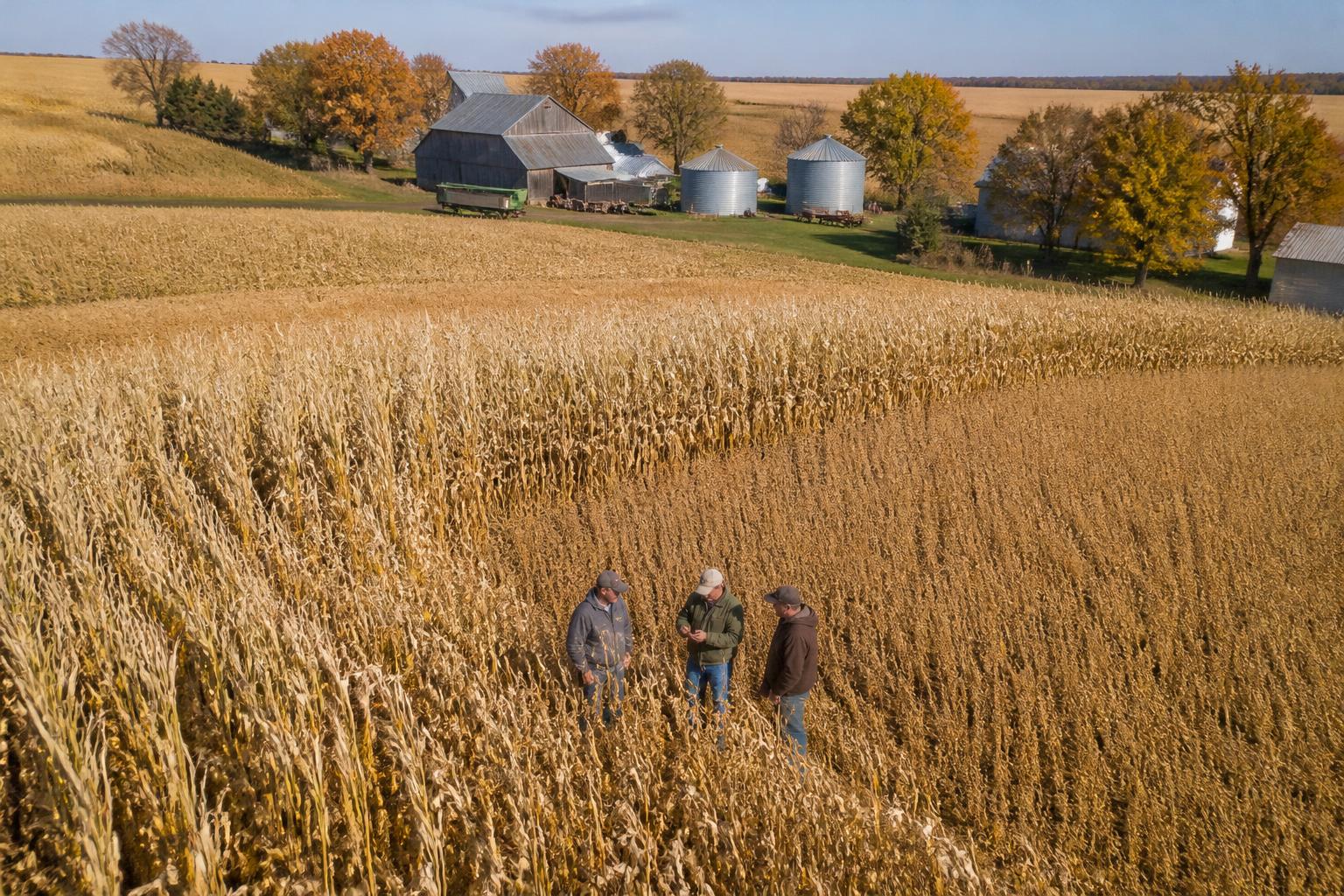
As the fall season progresses across Kansas, growers are balancing the tail end of harvest operations with strategic planning for the upcoming cycle. Field reports continue to show wide yield variability in both corn and soybeans, reflecting the impact of localized weather conditions throughout the growing season. This volatility is further complicated by ongoing discussions regarding input costs, particularly for fertilizers, as producers evaluate their bottom-line performance.
Monitoring Field Health and Disease Pressure
The challenges of this season extend beyond harvest logistics and commodity pricing. Recent field assessments have confirmed the presence of southern rust in parts of the state, underscoring the importance of ongoing scouting and integrated pest management. Effectively managing these pressures is essential for maintaining crop health and maximizing potential in what has been a year of mixed results for many Kansas farmers. For those navigating these hurdles, understanding the broader impact of pest pressures remains a critical component of fall planning.
Logistics and Market Realities
Market sentiment remains cautious following recent USDA reports, with localized pressure on grain prices impacting producer decision-making. Producers are keeping a close eye on the nuances of harvest logistics, as infrastructure and transportation costs continue to weigh on the industry. Furthermore, the intersection of regional supply chain updates and broader logistics challenges is forcing agribusinesses to sharpen their operational focus during this busy period.
What it means for the market
For Kansas producers, the current environment demands a disciplined approach to both field protection and financial management. As yield data from the fall harvest is finalized, operators should prioritize high-value input decisions and continue to monitor regional logistics trends that may affect future delivery costs. Staying informed on regional developments will be vital as the market transitions out of the harvest window and into long-term planning.
Comments
No comments yet - be the first to share your take.