
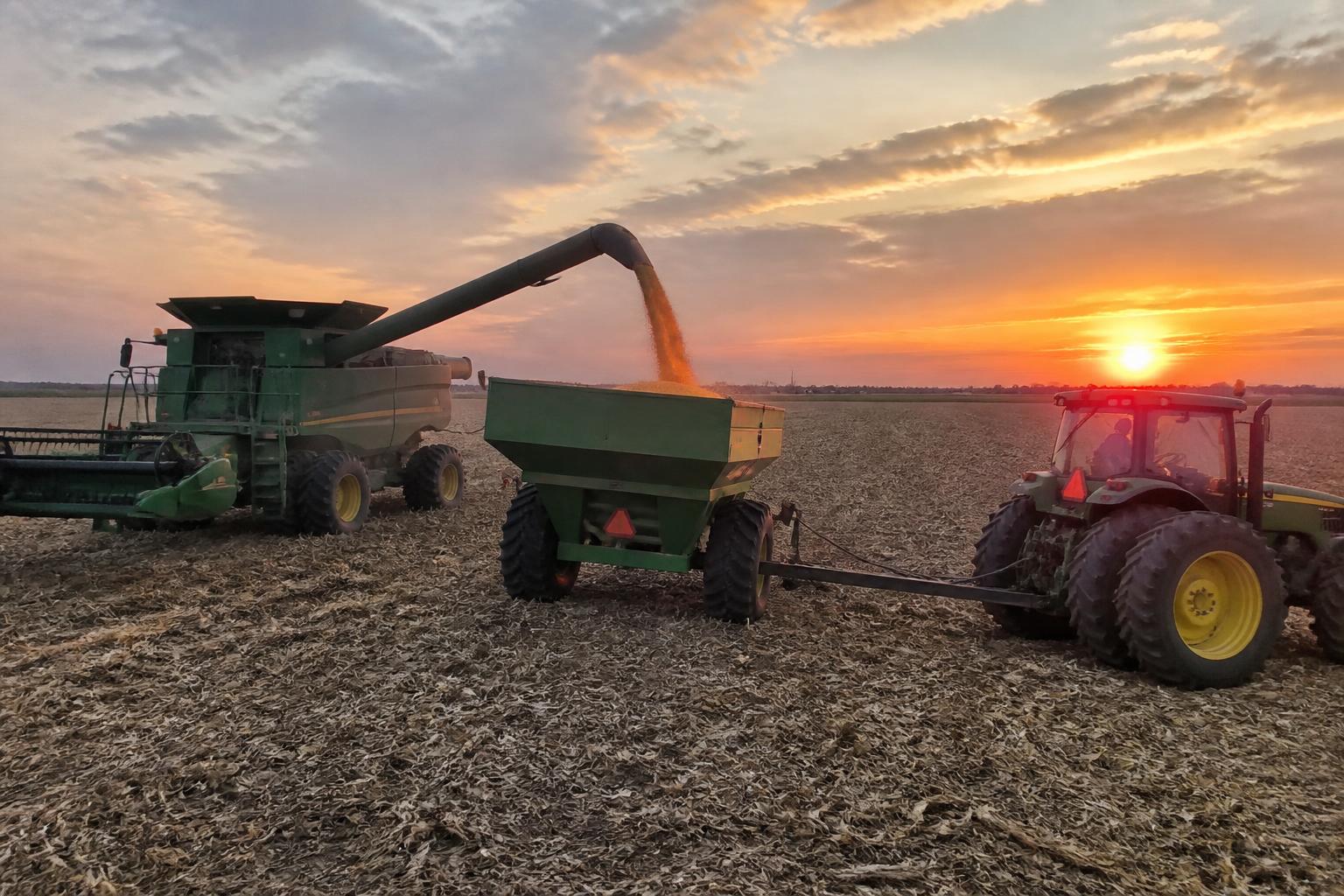
As the fall season deepens across Kansas, producers are transitioning from harvest logistics toward critical scouting and field management. While the majority of grain operations are reaching final completion, the shift in seasonal conditions brings new variables for growers to consider when protecting upcoming crop potential.
Maintaining field health remains a priority as environmental factors fluctuate. Producers are being encouraged to remain vigilant for signs of pest pressure, particularly as dormant or late-season threats can emerge with changing weather patterns. Early detection is often the most effective tool in mitigating long-term damage to field assets.
Managing Field Health and Potential Threats
In various regions of the state, growers are closely monitoring for signs of rust and other biological threats that may capitalize on shifting temperature and moisture levels. Scouting remains essential to ensure that timely interventions can be made before potential issues escalate. For those navigating the complexities of harvest and yield management, incorporating systematic pest scouting into the post-harvest routine can provide a clearer picture of regional pressure.
Furthermore, staying informed about seasonal market and field progress allows agribusinesses to better coordinate inputs and resources. As conditions evolve, the coordination between local elevators, agronomists, and producers helps stabilize operational planning despite the unpredictability of regional climate risks.
What it means for the market
For Kansas growers and input providers, the ability to rapidly identify and respond to biological threats is critical to maintaining a strong foundation for the next production cycle. By prioritizing active scouting now, producers can safeguard their long-term yields and better position their operations against the financial volatility that often accompanies unexpected crop damage or increased input requirements.
Comments
No comments yet - be the first to share your take.