
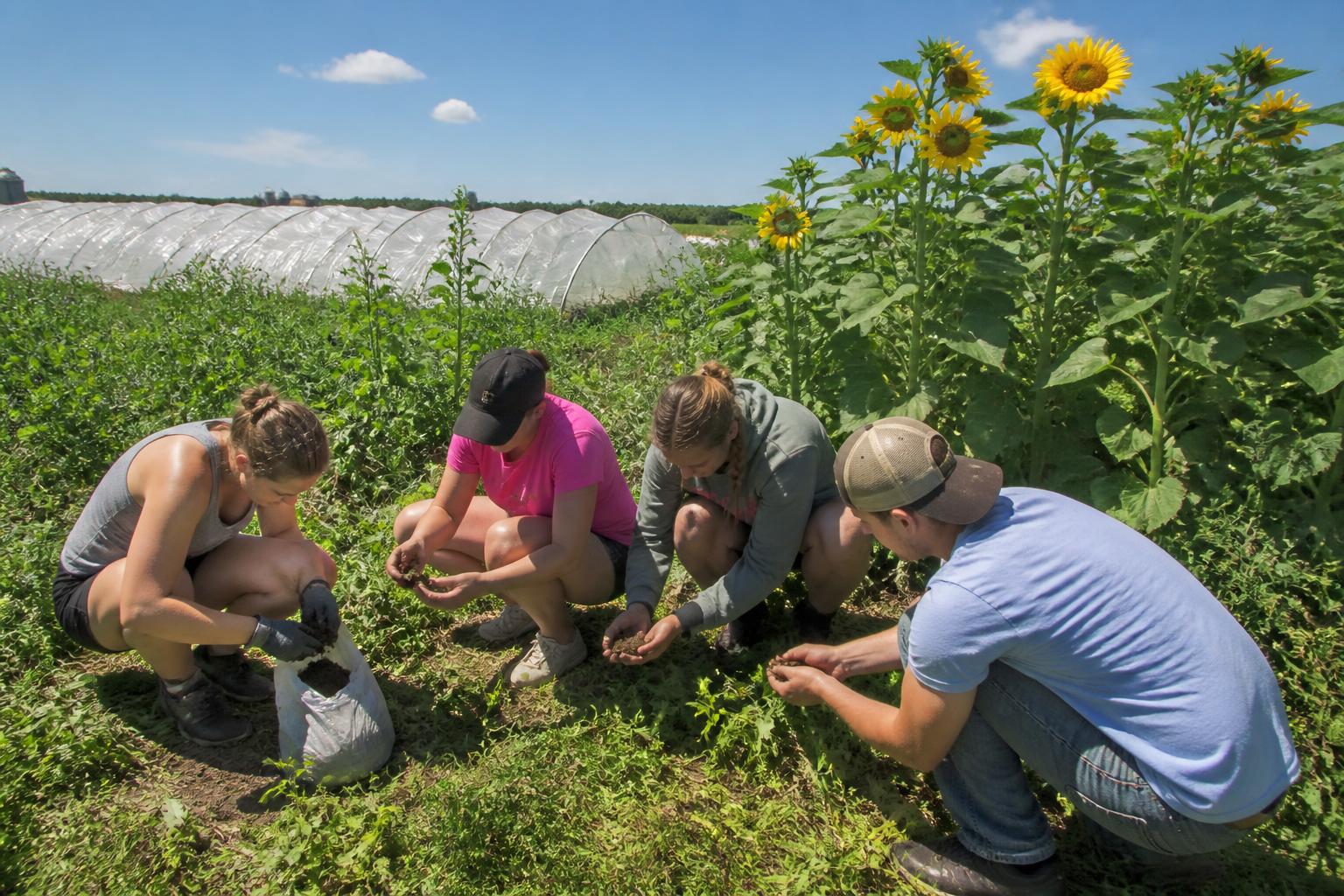
With summer operations in full swing across South Dakota, the focus has shifted toward mid-season crop health and the management of regional threats. Producers are increasingly deploying targeted strategies to combat challenges such as the red sunflower seed weevil, which requires diligent scouting and precise application timing during these active growth stages. The integration of sustainable practices, including no-till production methods, continues to be a staple for many operations looking to maximize soil moisture retention and overall yield potential amid the variable weather patterns common this time of year.
Managing Input Volatility and Sustainability
The broader agricultural landscape remains sensitive to shifts in crop protection and fertilization strategies. While some growers are exploring new biological solutions, others are closely monitoring the supply chain for standard formulations. This period of the season often highlights the importance of reliable procurement for chemical and nutrient inputs, as farmers balance current field needs with long-term cost management. Innovations in local agricultural technology, including student-led research on sustainable fertilizers, represent a promising frontier for the state, aiming to build more resilient input pipelines within the regional economy.
Expanding Production Capacity
Beyond crop management, the infrastructure supporting South Dakota agriculture is evolving to meet diverse needs. From the integration of renewable energy at dairy operations to the expansion of feedlot opportunities spurred by ethanol production, the state is seeing a diversification in how land and resources are utilized. These developments, when combined with localized land use adjustments, are helping to insulate some producers from broader volatility in global markets. Efficient on-farm storage and careful logistical planning remain essential as the industry prepares for upcoming harvest demands.
What it means for the market
For South Dakota agribusinesses and farmers, the current market environment rewards proactive planning. By focusing on sustainable pest control, maintaining diverse output channels, and staying informed about input supply shifts, producers can better position their operations against the seasonal uncertainties that frequently arise in mid-summer. Maintaining strong relationships with local suppliers and keeping a pulse on regional infrastructure updates will be key to weathering potential supply chain fluctuations in the coming months.
Comments
No comments yet - be the first to share your take.