
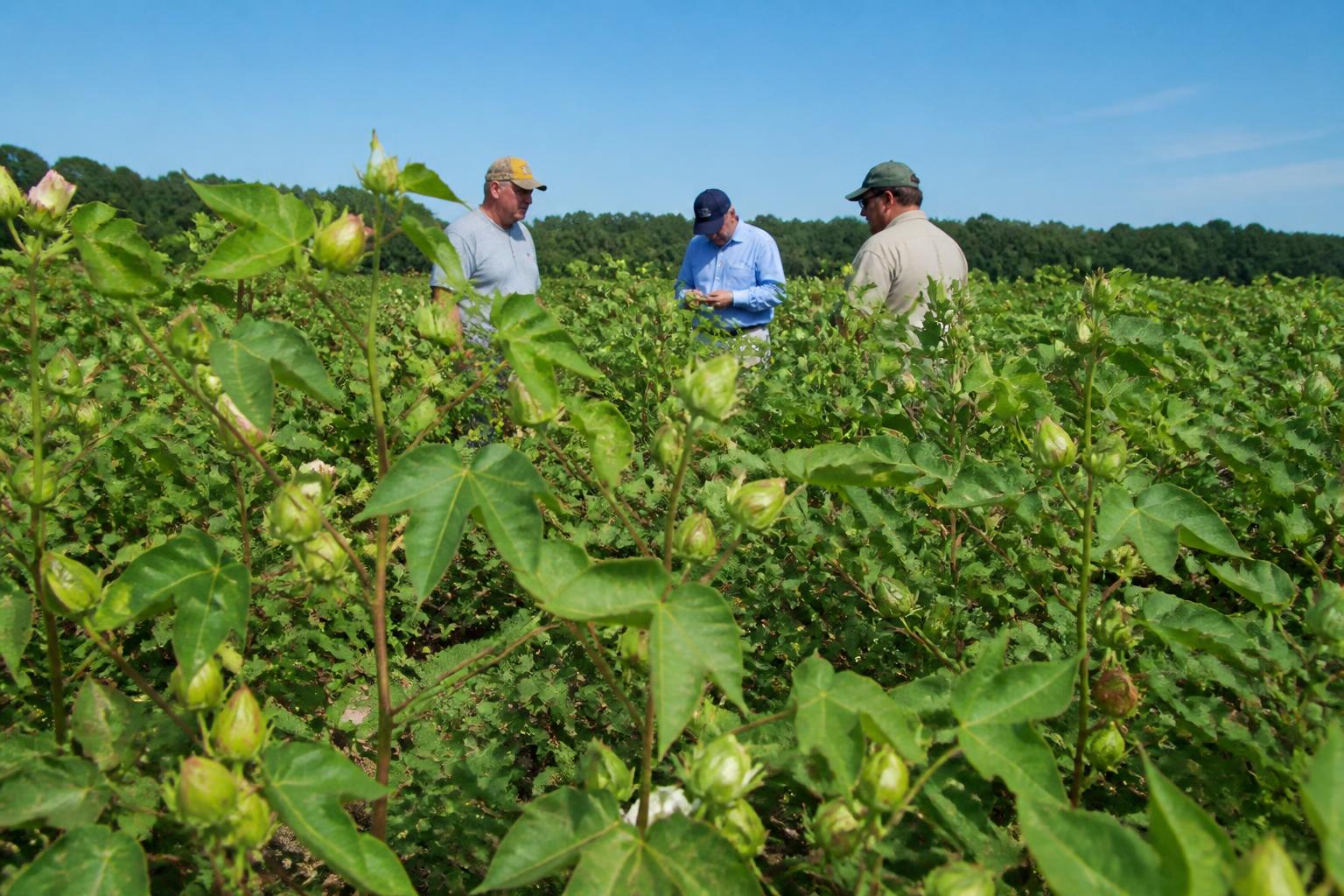
Alabama growers are currently managing a complex mid-summer production environment. With variable weather patterns and recent challenges in the state's agricultural landscape, the priority remains protecting yield potential while ensuring operational stability. For those assessing field health, integrated strategies continue to be the primary defense against localized pest and weather pressures.
Refining Protection Strategies
As crops progress, many producers are seeing the benefits of targeted management techniques, such as the use of trap crops for certain vegetable operations. These mid-season field strategies are essential for mitigating damage without relying solely on intensive broad-spectrum interventions. Maintaining a consistent scouting schedule is critical, especially when humidity levels remain high, as these conditions often favor disease and insect encroachment.
Addressing Financial and Administrative Risks
Beyond the field, Alabama producers face a tightening regulatory and economic climate. It is vital for agribusinesses to maintain accurate records, not only for crop management but for administrative compliance. With recent reports of sustained summer heat and financial difficulties involving delinquent industry companies, verifying the credibility of input suppliers and service partners is more important than ever. Ensuring your operation is properly registered and that tax documentation is up to date can provide a layer of protection against unforeseen commercial instability.
Proactive Field Management
Farmers who leverage data-driven insights are finding more success in managing the inherent volatility of the current market. Whether you are dealing with moisture-related field issues or planning for end-of-season inputs, integrating current late-season crop health monitoring tools can help prioritize spending on the most viable acreage.
What it means for the market
For the Alabama agribusiness sector, this period is defined by resilience. By staying diligent with both agronomic practices and commercial due diligence, producers can shield their margins from unnecessary risk. Focus on reliable local partnerships and continue to prioritize scouting over the next few weeks as the crop reaches critical development stages.
Comments
No comments yet - be the first to share your take.