
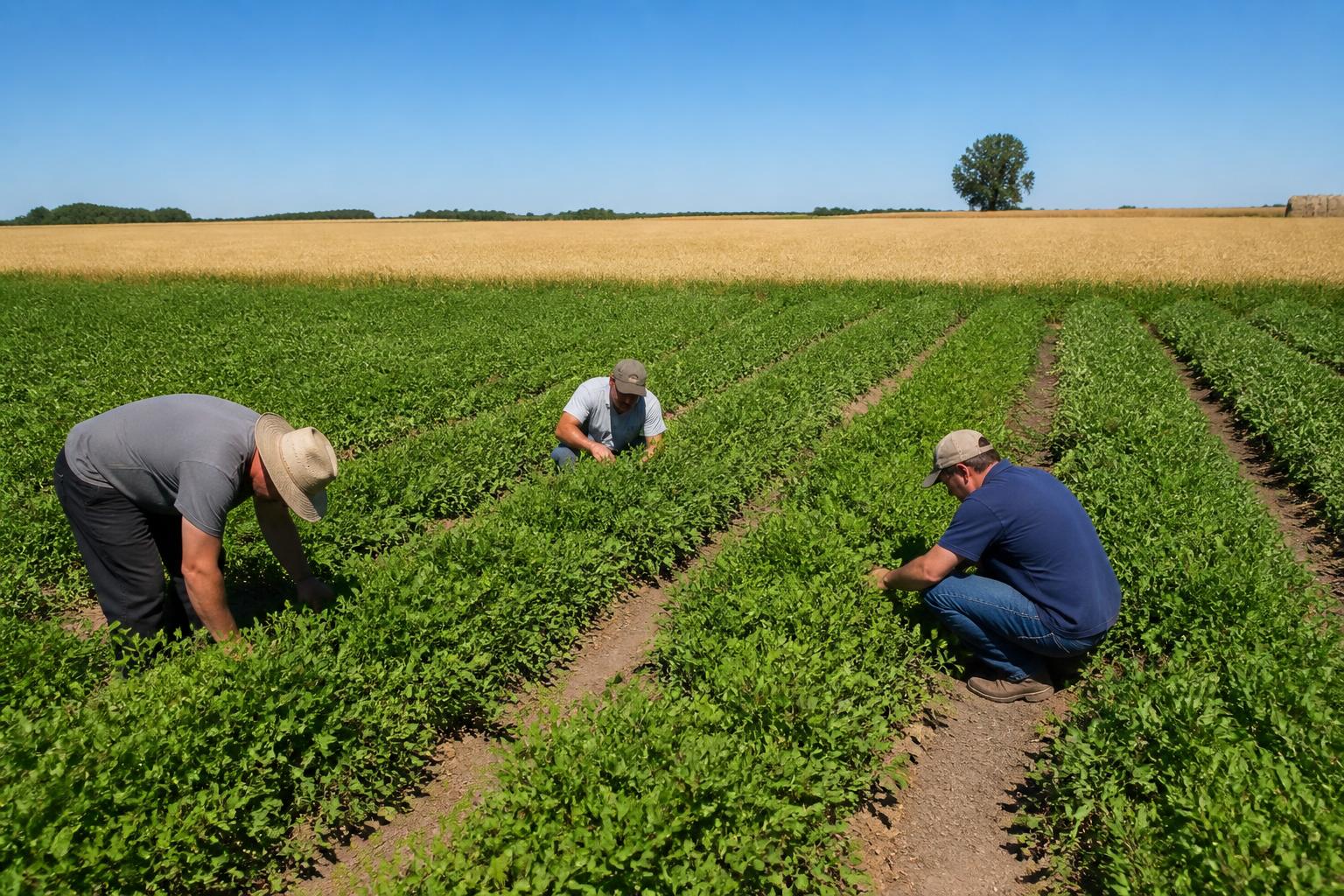
As the summer heat settles over the southern plains, Oklahoma grain producers and elevator operators are navigating a highly complex pricing environment. Ample global stocks and favorable crop-growing weather in major production regions continue to exert downward pressure on commodity markets, largely overshadowing otherwise strong demand signals.
For local producers wrapping up early summer field activities and assessing their storage options, the current market dynamic requires sharp attention to basis levels and logistics. Ensuring that grain moves efficiently from the field to local storage is critical as margins remain tight across the sector.
Global Stock Pressures Meet Local Realities
Globally, grain markets have struggled to find upward momentum. While international and domestic demand for food and feed grains has shown resilience, the sheer volume of global inventories has kept a lid on major commodity prices. Highly favorable weather conditions across competitive growing regions have further reinforced expectations of a comfortable global supply cushion.
For Oklahoma wheat and corn growers, this global backdrop translates to thin profit margins. Producers are increasingly relying on localized storage strategies to avoid selling into depressed summer markets. Elevator managers along major rail and highway corridors are focusing heavily on managing bin space and maximizing transport efficiency to keep handling costs as low as possible.
Diversification and Policy in the Red River Valley
While the state has a long-standing legacy of wheat production, many operations continue to diversify their crop portfolios to mitigate market risks. In the southern regions, including the Red River valley near Altus, growers often evaluate a mix of wheat, cotton, and specialty crops to optimize soil health and seasonal cash flow. This regional adaptability is key to surviving prolonged periods of low commodity prices.
On the policy front, national organizations like the National Corn Growers Association are actively weighing in on the upcoming Farm Bill, advocating for robust safety nets and risk management tools that can support growers during down-cycles. In the meantime, capturing local basis opportunities remains a primary tool for survival. To monitor local pricing trends and locate buyers, growers can keep track of the current market through a regional directory of grain buyers, sellers and prices in Oklahoma.
Key Takeaways for Oklahoma Producers
- Ample Global Supplies: Strong global inventories and good weather continue to cap price rallies despite solid baseline demand.
- Storage Strategy: Utilizing farm storage or delayed-pricing agreements may help growers bypass immediate post-harvest price dips.
- Policy Advocacy: Industry groups are pushing for stronger safety nets in the next Farm Bill to assist with tight operating margins.
What it means for the market
For Oklahoma agribusinesses, carriers, and grain handlers, the combination of heavy global stocks and local harvest volumes means that logistics and basis management are the primary drivers of profitability this summer. Operations should focus on securing transport capacity early and leveraging local market variations to protect margins before the next seasonal marketing window opens.
Comments
No comments yet - be the first to share your take.