
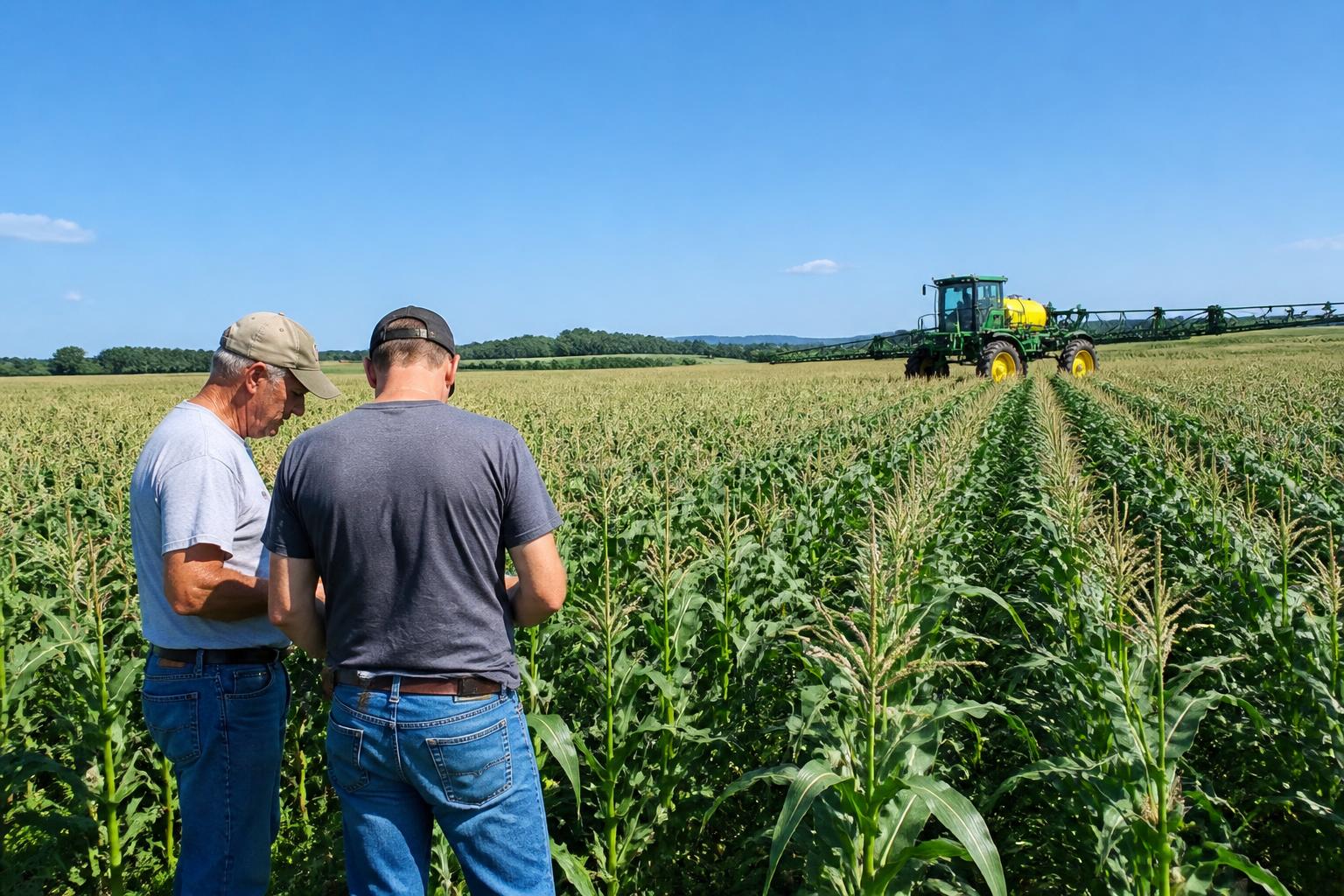
As Oklahoma agricultural producers push through the summer heat, the local industry is closely monitoring two major developments: significant shifts in crop acreage and a growing debate over crop protection costs. With grain bins actively turning and summer maintenance underway across key farming corridors like Interstate 35 and Interstate 40, these factors are set to influence both immediate logistics and long-term bottom lines.
For local agribusinesses and grain elevators, particularly around classic regional hubs like Enid, managing supply potential requires balancing changing field planting decisions with volatile input markets. How producers respond to these shifts in the coming months will set the tone for the upcoming marketing year.
Glyphosate Tariff Proposals Raise Input Concerns
A major talking point in Oklahoma agricultural circles this summer is the push by Bayer for import tariffs on glyphosate. Agricultural advocacy groups have quickly responded, expressing concern over how additional tariffs could impact the affordability and availability of key crop protection tools.
For many growers in Oklahoma, chemical inputs represent a substantial portion of annual operating budgets. If import restrictions or tariffs are implemented, the resulting price hikes could squeeze margins at a time when commodity prices remain sensitive to global supply pressures. Managing weed pressure is a constant battle during the hot summer months, and access to cost-effective chemicals is critical for keeping fallow fields clean and preparing soil for future planting. Producers looking to optimize their management plans can explore historical context on regional chemical availability in our analysis of Oklahoma crop protection strategies.
Acreage Shifts Adjust New Crop Supply Dynamics
At the same time, heavy acreage shifts are spotlighting the supply potential for new-crop grains across the state and the wider region. As planting patterns adjust, local grain handlers and co-ops must prepare for altered volume expectations. These shifts can affect everything from regional elevator storage capacity to local basis bids.
In Oklahoma, acreage decisions are often influenced by soil moisture levels, crop rotation benefits, and relative price outlooks between winter wheat, sorghum, corn, and cotton. With new supply projections coming into focus, local transport networks-including regional short-line railroads and bulk trucking-will need to align their schedules to accommodate these changing flow patterns.
Key Takeaways for Oklahoma Producers
- Input Volatility: The debate over glyphosate import tariffs could signal upcoming price adjustments for popular herbicides, making early purchasing decisions worth considering.
- Supply Shifts: Regional acreage adjustments are altering the volume outlook for new-crop grains, which may influence local basis and storage availability.
- Logistical Readiness: Summer is the optimal time for growers to coordinate with local elevators and transporters to secure efficient marketing paths before harvest pressure intensifies.
What it means for the market
The combination of potential crop protection tariff pressures and significant acreage adjustments highlights the need for flexible marketing and management strategies this summer. As Oklahoma producers navigate these shifting variables, keeping a close eye on input supply chains and local elevator capacity will be essential. Agribusinesses that anticipate these logistics and cost changes early will be best positioned to protect their margins as the season progresses.
Comments
No comments yet - be the first to share your take.