
Market Overview and Recent Trends
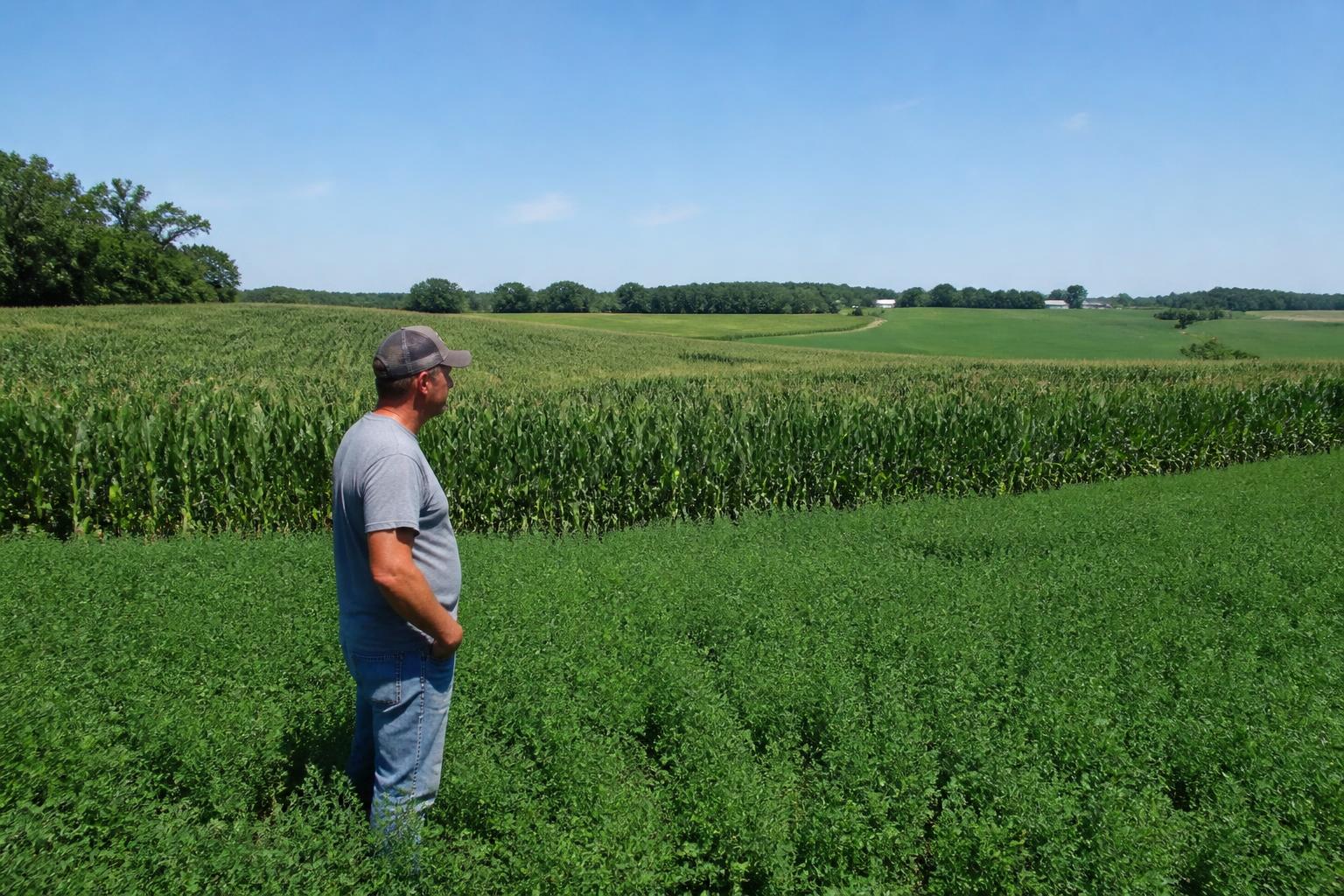
The agricultural landscape in Connecticut remains complex as we hit the mid-summer stretch of 2026. Recent market activity reflects broader volatility, with corn prices seeing slight upward movement early this week following a period of fluctuation. For local producers and grain handlers, this highlights the necessity of keeping a close watch on national Connecticut grain market trends while managing the realities of regional production.
Input Pressures and Operational Nuances
Farmers across the state continue to grapple with persistent cost challenges. Fertilizer prices, often influenced by global instability and supply chain shifts, remain a significant line item for many operations. Beyond inputs, the mid-summer season brings its own set of logistical hurdles. In some rural areas, managing the interaction between active agricultural fields and local wildlife—particularly with recent guidance from state officials regarding birdfeeders and bear activity—can complicate standard farm maintenance and crop security.
Resource Utilization and Revenue Diversification
As margins remain tight, many Connecticut agribusinesses are exploring alternative revenue streams to stabilize their operations. Whether through direct-to-consumer online marketplaces or by optimizing crop production cycles, local farms are demonstrating significant resilience. These shifts toward localized commerce are helping producers maintain viability despite broader macroeconomic pressures that continue to impact the agricultural sector.
What it means for the market
For Connecticut farmers and input buyers, the current environment demands high levels of vigilance. With commodity prices showing sensitivity to regional supply and national futures, hedging risks—both through careful input procurement and local market engagement—is more critical than ever. As we look toward the remainder of the summer, focusing on efficient resource management will be key to navigating the ongoing market landscape.
Comments
No comments yet - be the first to share your take.