
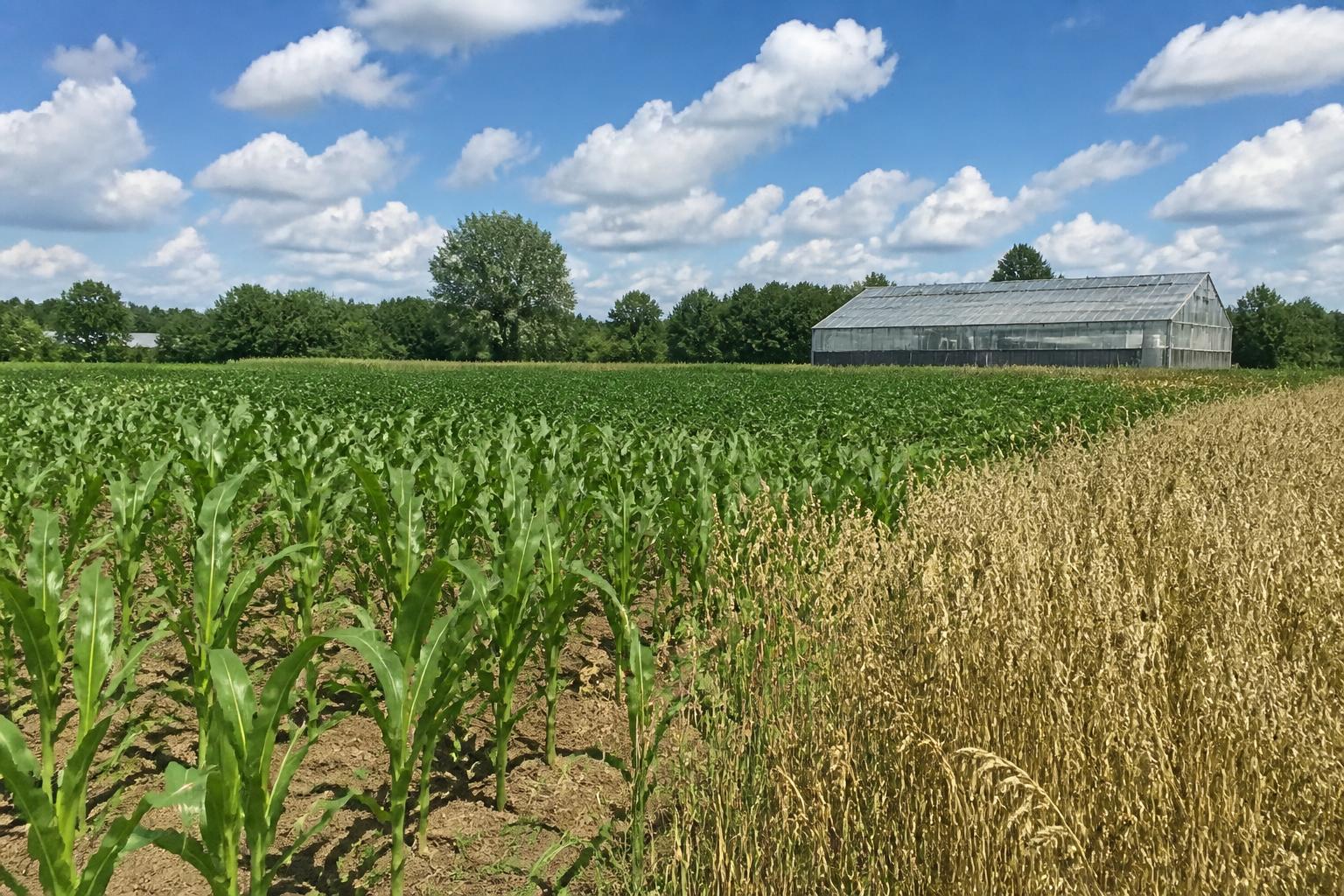
As we reach mid-July, Maine producers are deep into the summer growing season, focusing on critical development stages for various crops. With the current warm weather, managing crop growth cycles effectively is essential for ensuring yield potential by harvest. Whether you are focused on small grains or specialty vegetables, understanding how environmental factors impact your specific varieties remains a top priority for farm planning.
Building Resilience in a Complex Market
The agricultural landscape in Maine continues to evolve as growers adapt to both localized environmental challenges and broader industry pressures. From the nuances of grain storage and cost management to the ongoing investigation into PFAS contamination across many regional farms, managing risk is now as central to farm operations as planting and harvesting. These challenges require proactive soil management and careful selection of input varieties to maintain long-term farm sustainability.
Expanding Local Processing Infrastructure
Investment in regional infrastructure remains a bright spot for the state. Developing local processing capacity for Maine grains is creating new pathways for growers to reach consistent demand. By shortening the supply chain, farmers can better insulate themselves from the volatility often seen in national commodity markets, focusing instead on high-quality, regionally distinct outputs that attract local buyers and processors.
Key Takeaways:
- Monitor mid-season growth stages closely to optimize late-stage input timing.
- Prioritize soil testing and remediation strategies given the ongoing regional concerns regarding environmental contaminants.
- Lean into local supply chains to leverage the growing infrastructure for grain processing in Maine.
What it means for the market
For Maine agribusinesses and grain handlers, the market is shifting toward a reliance on local quality and consistency. While national regulatory debates regarding pesticide provisions and biologicals capture headlines, the practical reality for Maine farmers is a need for robust, data-backed variety selection and a commitment to soil health. As the season progresses, those who invest in localized processing and efficient, small-scale storage will likely find themselves in a stronger position to manage market transitions effectively.
Comments
No comments yet - be the first to share your take.