
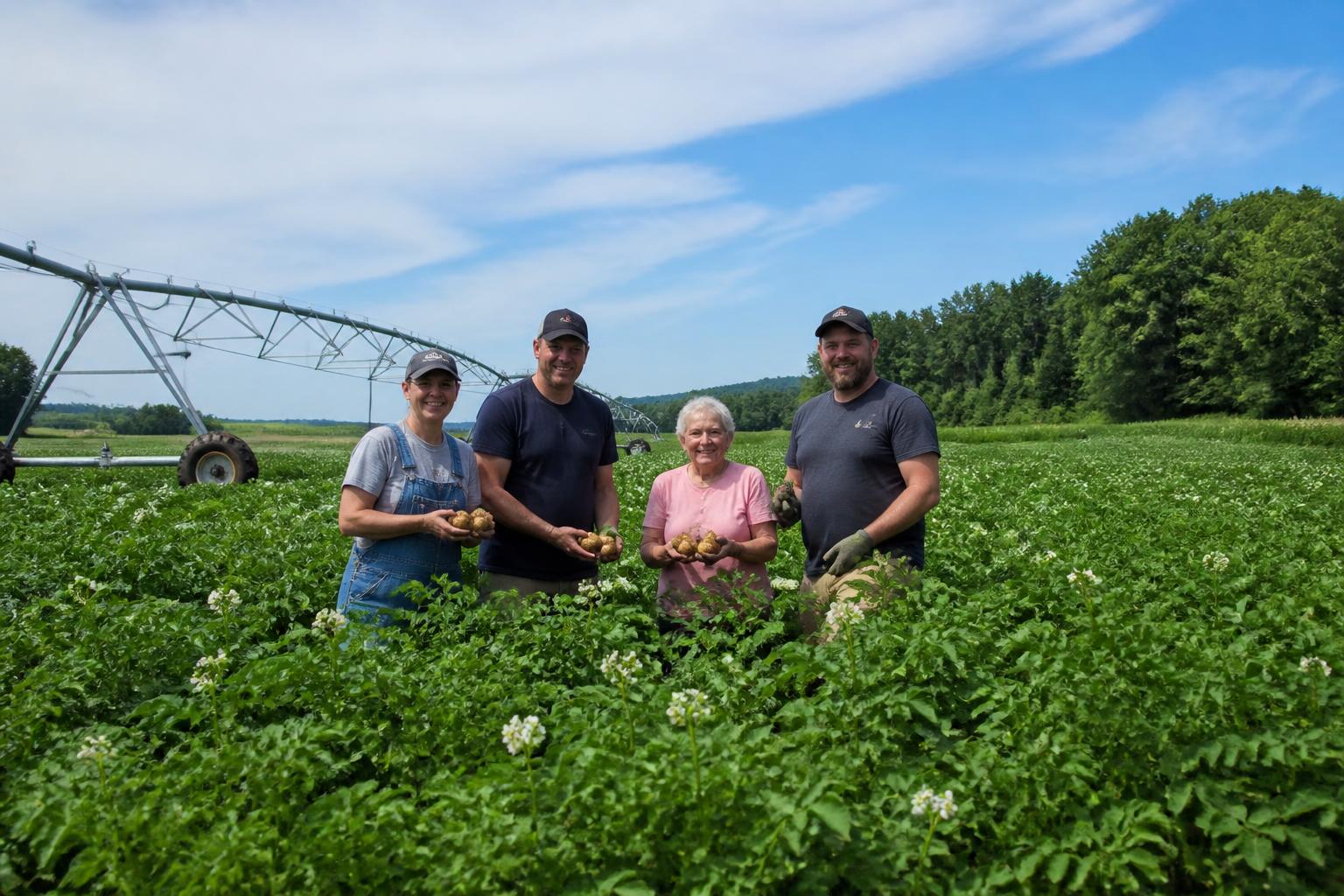
As the summer season gets fully underway in late June, Maine grain growers are finding new opportunities closer to home. Driven by a robust craft beverage sector and a collective push for local food systems, the regional market is demonstrating that home-grown grain is no longer just a niche product. For local growers looking to sell grain in Maine, the ongoing alignment between local processing capacity and regional buyers is opening new marketing channels.
While northern Maine is historically known for its potato crop, modern crop rotations often bring grains like barley, oats, and specialty wheat into the mix. This summer, a combination of infrastructure shifts, local beverage production records, and ongoing discussions over federal farm relief are defining the agricultural landscape from Aroostook County to the coastal plains.
Brewery Demand Reaches New Highs
Maine is home to a highly concentrated craft brewing industry, and the demand for home-grown grains is hitting historic benchmarks. The state's largest brewer recently set a new high for its use of home-grown grain, proving that industrial-scale buyers can successfully source high-quality, local ingredients. This milestone has provided a strong signal to grain elevators, maltsters, and farmers that local grain supply chains are capable of meeting strict quality standards.
Most of this demand is concentrated in malting barley and winter wheat. To capture premium pricing, growers must maintain high-quality stands throughout the summer, paying close attention to protein levels and grain head health. The success of large brewers sourcing locally also encourages smaller regional processors to secure their grain supply early in the season, stabilizing local prices.
Infrastructure and Real Estate Shifts in Presque Isle
In northern Maine, the logistics of grain handling are also evolving. A prominent agricultural site in Presque Isle recently hit the market for $1.2 million, highlighting shifts in regional real estate and local infrastructure. Presque Isle and neighboring Mapleton have long served as the agricultural hubs of Aroostook County, where multi-generational families like the Winslows have been recognized for their contributions to potato and rotated crop industries.
As these facilities change hands, grain logistics networks may adjust. Accessible storage and drying facilities are crucial for grain growers during harvest. Proximity to major transport corridors like Interstate 95 and regional rail lines remains a critical factor for producers aiming to move grain efficiently from northern fields to southern processing hubs.
Advocacy for Relief and Agronomic Management
Despite steady local demand, farming in Maine during the summer comes with high input costs and unpredictable weather patterns. The Maine congressional delegation has actively urged the USDA to deliver adequate farm relief to help producers navigate market volatility and climate impacts. Securing these federal safety nets is essential for maintaining stable grain acres across the state.
Meanwhile, summer agronomy decisions are in full swing. Growers are carefully balancing fertility programs - including sulfur applications on rotated grain and oilseed fields - while keeping a close eye on crop protection regulations. Managing spraying liability during summer applications is a priority for operators looking to protect neighboring sensitive specialty crops while ensuring their own grain yields are secured.
Key Takeaways for Maine Growers
- Brewery Integration: The milestone set by Maine's largest brewer confirms that commercial-scale local sourcing is viable, driving consistent demand for malting-grade barley and wheat.
- Regional Infrastructure: Keep an eye on regional real estate changes, such as the Presque Isle facility listing, which could signal shifts in local storage and shipping hubs.
- Risk and Relief: Ensure pesticide application protocols are tightly managed to avoid liability, and stay informed on USDA relief developments championed by the state delegation.
What it means for the market
The Maine grain market is transitioning from a secondary rotational crop system into a dedicated, high-value supply chain. Increased demand from major local buyers, coupled with the potential for new investments in northern shipping infrastructure, means that growers who can consistently meet strict quality specifications for malting and milling will likely find a receptive, premium regional market this season.
Comments
No comments yet - be the first to share your take.