
As midsummer settles over New England, grain producers across Maine are navigating a complex economic landscape. High input expenses, specifically fertilizer and diesel fuel, continue to weigh heavily on local agricultural budgets. For both small-scale growers and larger operations, finding flexible ways to store, protect, and market their crops is essential to maintaining profitability as the season progresses.
Creative Storage Solutions for High-Cost Seasons
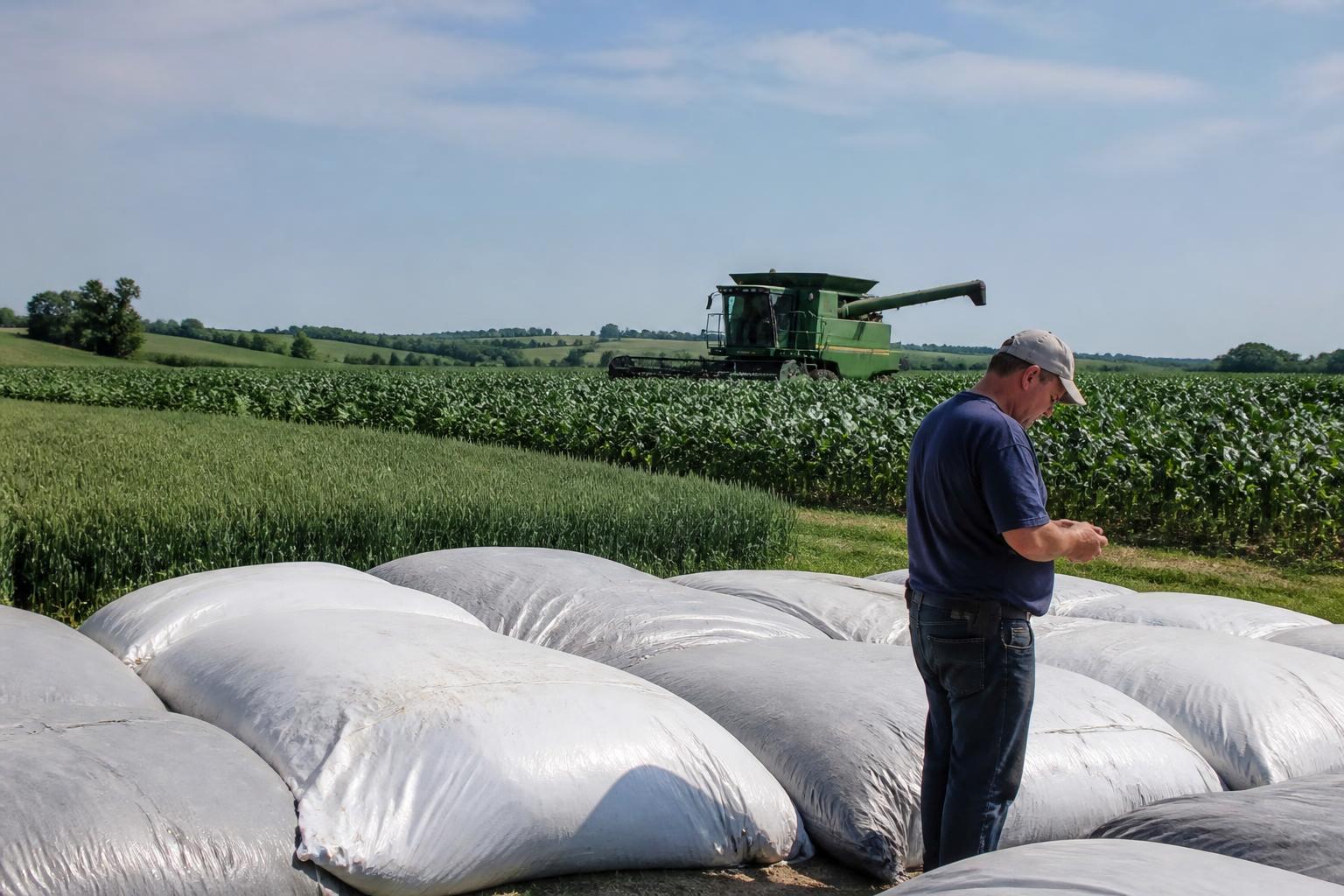
Historically, finding affordable space for feed barley, oats, and rotation wheat has forced growers to make quick sales directly from the field. However, alternative storage methods like grain bags have emerged as a viable option to help manage inventory. Utilizing temporary bagging allows growers to bypass immediate transportation hurdles when diesel prices are elevated, giving them the flexibility to wait for better local market opportunities.
Farmers can monitor grain buyers, sellers, and local prices in Maine to time their sales effectively. When using grain bags, choosing a firm, well-drained site is critical to prevent moisture accumulation and pest damage. Proper sealing and routine monitoring ensure the grain remains in optimal condition throughout the hot summer months, protecting the quality of the feed or milling crop.
Preparing Machinery for Variable Harvest Conditions
With summer weather patterns in the Northeast often bringing sudden rain, field conditions can quickly turn wet. Adjusting combine settings to handle damp crops is crucial to minimize harvest loss. Operators should check cylinder speeds and sieve clearances to prevent grain damage and ensure a clean sample. Properly prepped machinery reduces field loss and prevents wet grain from spoiling during subsequent storage.
Additionally, understanding how local demand and processing infrastructure in Maine impacts marketing timing can help growers coordinate their harvest and storage plans more efficiently, keeping local supply chains running smoothly.
Key Takeaways for Summer Management
- Utilize alternative storage: Grain bags placed on well-drained ground can maximize marketing flexibility and reduce immediate transport pressures.
- Monitor operating costs: Keep a close eye on fuel and input trends, as high diesel costs heavily influence regional shipping rates.
- Calibrate harvesting equipment: Proactively adjust combines to match moisture levels during wet field conditions to preserve crop quality.
What it means for the market
By adopting flexible on-farm storage and maintaining equipment readiness, Maine grain growers can better manage harvest-time volatility. Reducing dependency on immediate logistics during periods of high-cost fuel helps keep regional grain competitive, ensuring a steady supply for local feed and processing channels through the summer and into the fall.
Comments
No comments yet - be the first to share your take.