
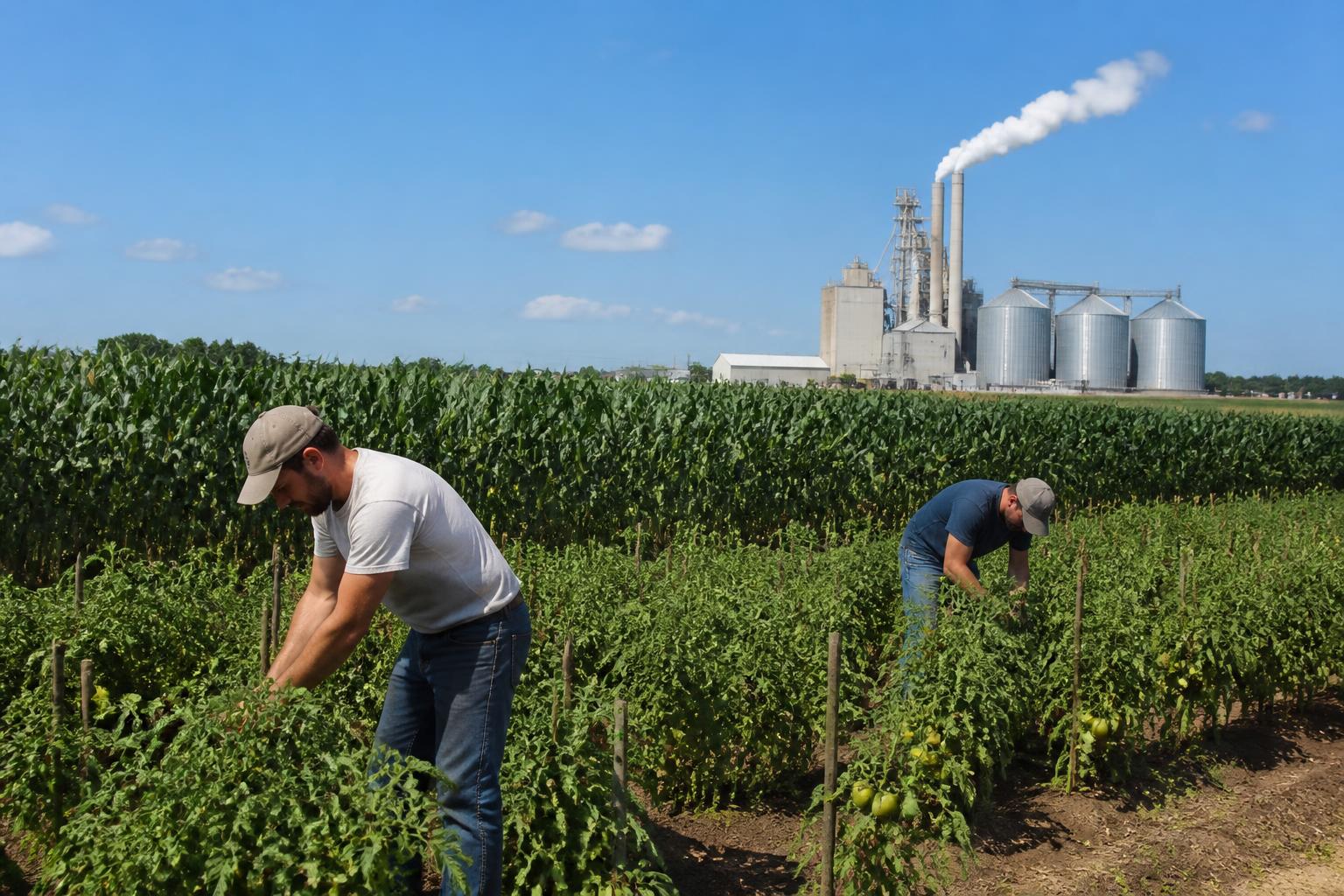
Indiana's agricultural landscape is currently navigating a period of significant structural investment. As the state deepens its commitment to the agbiosciences sector, local growers and handlers are seeing new, long-term capital influxes aimed at creating thousands of jobs and enhancing the broader agricultural economy. For producers across the state, these developments may eventually translate into increased capacity for grain handling and more diversified market outlets.
The expansion of regional biofuel production continues to be a primary driver for corn demand in the state, often influencing how local elevators manage storage and transport throughput during busy seasonal cycles. With substantial investments being directed toward specialized infrastructure, such as new ammonia production projects, the focus is clearly on lowering input costs and enhancing the competitive edge of Hoosier operations. These projects often reflect a broader, multi-million-dollar commitment to ensuring the state remains a central hub for food and life sciences production.
Aligning Operational Strategies with Infrastructure Growth
As logistics and infrastructure expand, producers are encouraged to monitor how these changes impact local basis and transport costs. With heavy mid-summer maintenance and logistics planning underway, staying informed on new grain handling capacity is essential for effective harvest preparation. Growers managing these shifting logistics environments may find that coordinating closely with local grain merchandisers is vital, particularly as new facilities come online and traditional transport corridors face seasonal pressure.
For many, this period serves as a critical window to evaluate long-term financial health. The integration of life sciences and advanced ag-processing suggests that the state’s agricultural footprint is evolving beyond simple commodity production. Understanding these macro-level shifts can help in refining cash rent decisions and crop budget planning, as noted in recent analyses of land values and management resilience. Whether assessing fertility requirements or optimizing harvest logistics, maintaining a flexible management approach remains a top priority.
What it means for the market
Producers should watch for evolving market opportunities resulting from increased local demand and infrastructure investment. As the state shifts toward higher-value-added agricultural chains, the traditional relationship between raw commodity production and processing capacity will likely tighten, providing a potential cushion for those who align their operational goals with regional growth. Establishing reliable relationships with local elevators will remain a key factor in navigating the current, investment-heavy market environment, ensuring that producers can effectively move their grain when the timing is optimal.
Comments
No comments yet - be the first to share your take.