
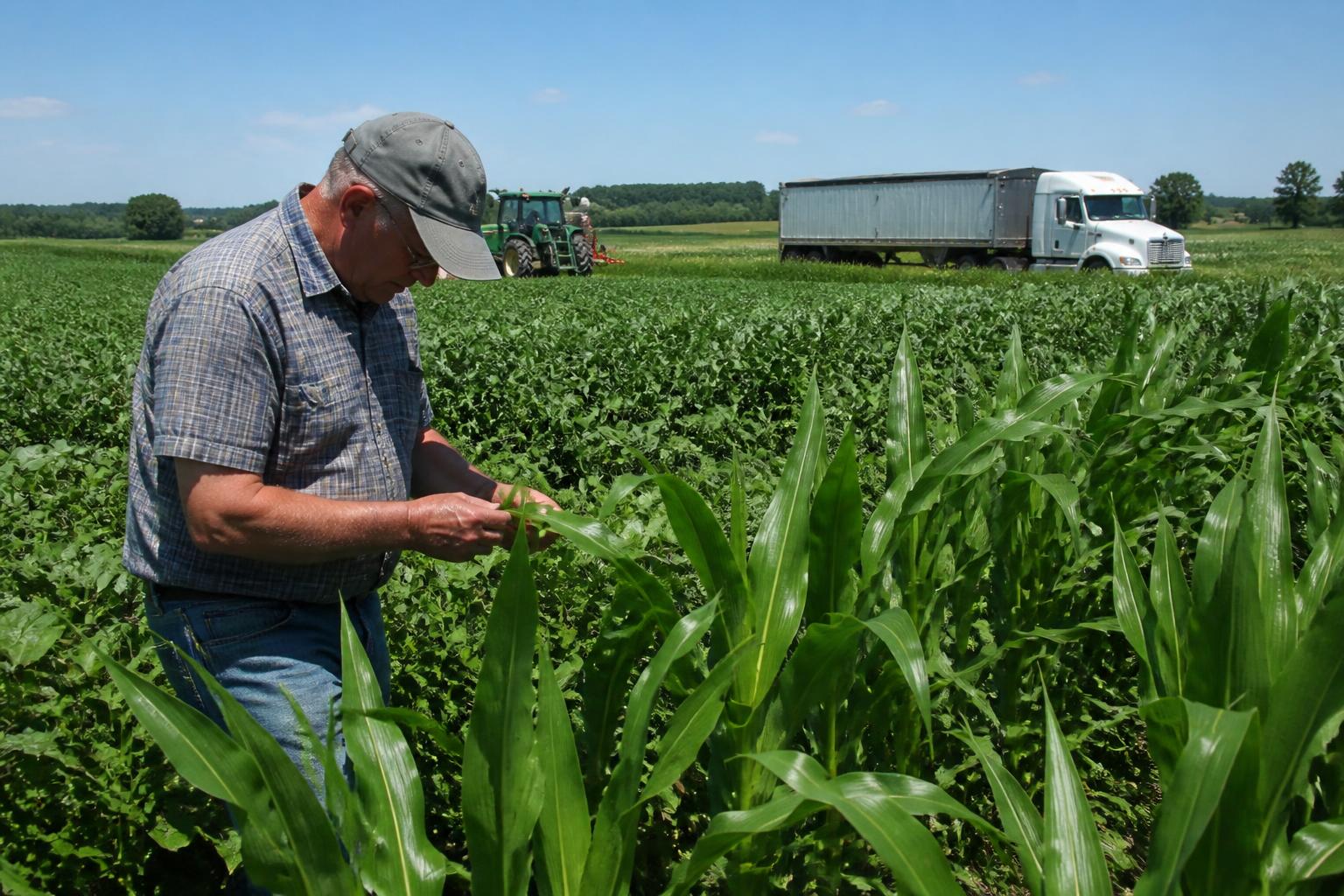
Mid-summer in Rhode Island brings a specific set of operational challenges for the state's agricultural sector. As field activity reaches a seasonal peak, local grain handlers and producers must navigate the dual pressures of managing logistics during high-traffic periods and staying attuned to broader shifts in the national supply chain. Ensuring that transport remains efficient while maintaining safety standards on state corridors is critical for those managing grain movement.
For many involved in regional feed and grain markets, the ability to effectively manage resource constraints remains a priority. Whether adjusting to evolving land use debates or responding to shifting input costs, keeping a close eye on the Rhode Island Grain and Feed Market is essential for farm operators looking to stabilize their bottom lines. Understanding these local variables can help businesses better anticipate the logistical bottlenecks that often occur during the busy summer months.
Prioritizing Safety in Regional Transit
With seasonal machinery and transport vehicles sharing the road more frequently, the risk of transit-related incidents remains a significant concern for the state's agricultural community. High-speed travel on rural roads near grain storage facilities necessitates extreme caution. Operators are encouraged to review safety protocols for heavy equipment movement, particularly during the transition between fields and processing hubs. Proactive communication with local carriers regarding peak haul times may help reduce congestion and improve overall safety across the supply chain.
Strategic Market Positioning
Beyond local logistics, Rhode Island agribusinesses are operating within a national context defined by high land valuations and complex federal policy discussions. As stakeholders look toward potential changes in federal farm legislation and its impact on regional food security, many are finding that resource management is becoming more localized. For those looking to optimize their procurement or sale strategies, exploring current opportunities to buy grain in Rhode Island provides a practical pathway to mitigating some of the volatility seen in wider, commodity-driven markets.
What it means for the market
The current landscape suggests that while national trends in farm loans and global demand for U.S. goods create a broad background of uncertainty, local resilience is key for Rhode Island producers. By focusing on site-level safety, maintaining lean logistical operations, and leveraging local procurement channels, businesses can better navigate the mid-summer season. Keeping these practical considerations at the forefront of daily decision-making is the most effective way to hedge against broader market disruptions.
Comments
No comments yet - be the first to share your take.