
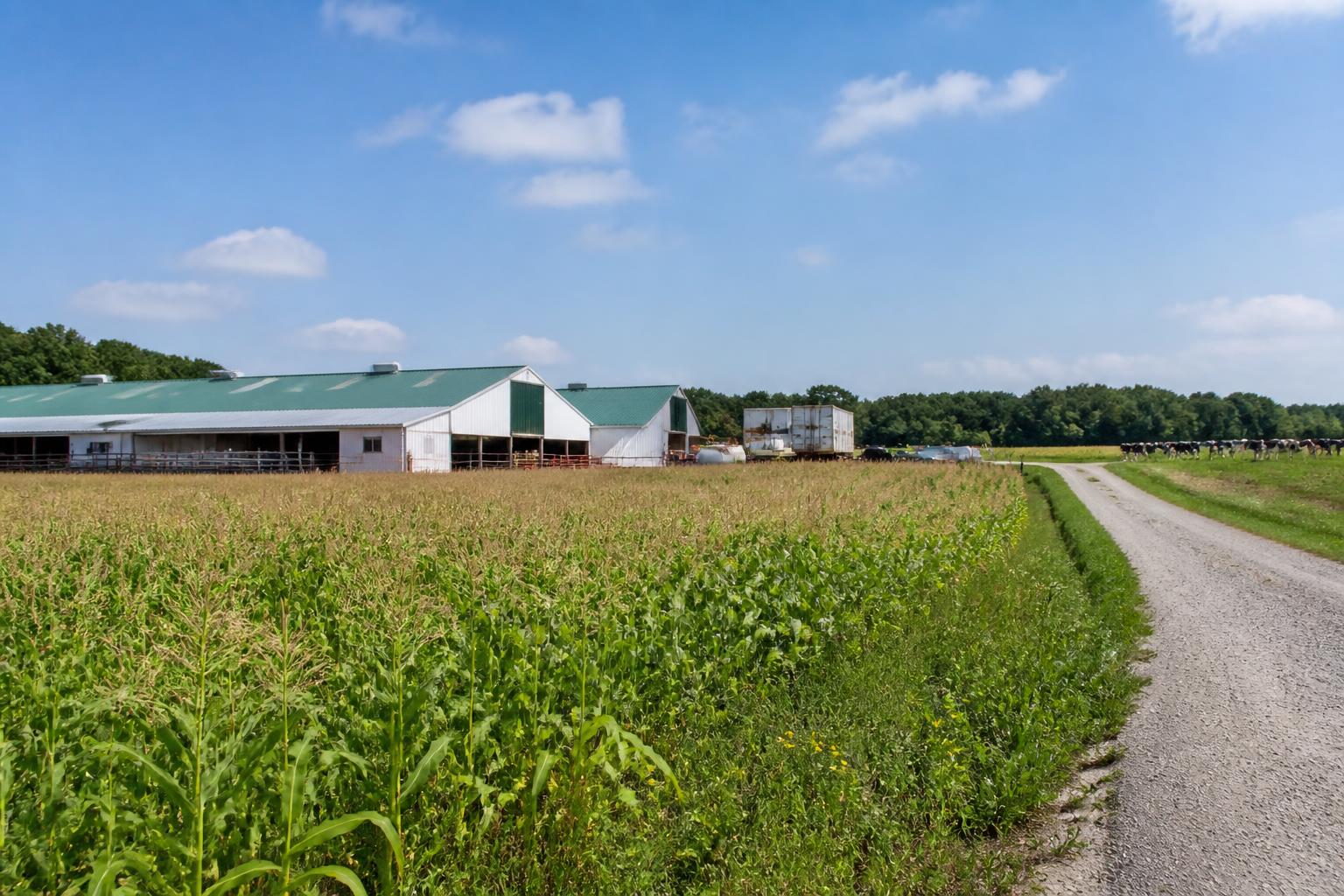
Land Preservation and Grain Production Realities
Rhode Island remains a state with severe land constraints, making domestic grain production highly specialized and limited. The state's Farmland Acquisition Program continues to be a point of debate among local agriculturalists. While some favor preservation to keep land in agricultural hands, others express concern about the program's restrictions and how they impact operational flexibility. Additionally, ongoing discussions about protecting Rhode Island's core forests from development and solar installations further squeeze available acreage for traditional grain and forage crops.
Because of these land pressures, local livestock producers, such as those raising pasture-fed animals or managing local dairy herds, depend heavily on out-of-state grain. Farmers looking to secure feed reserves can buy grain in Rhode Island through regional distributors who bridge the gap between major production hubs and coastal New England.
Act on Climate Mandates and Logistics
Logistics costs in the state are also facing pressure from environmental policy. A recent report from the Rhode Island Department of Environmental Management (DEM) emphasizes that the state must accelerate its efforts to lower carbon emissions to meet its Act on Climate mandates. For agricultural transporters, feed mills, and distributors, these tightening mandates may lead to higher compliance costs and shifts toward more fuel-efficient or alternative transportation methods.
These regulatory pressures, combined with typical summer heat and coastal logistics, require local operations to monitor supply chains closely. For a deeper look at these seasonal challenges, see our analysis on the Rhode Island grain and feed market: navigating summer weather and regional supply chains.
Sustaining Local Livestock and Dairy Demand
Despite the challenges of a small land footprint, Rhode Island boasts a resilient agricultural sector. Local dairies continue to secure a significant portion of the state's milk market, requiring a steady stream of high-quality feed. Similarly, pasture-based livestock producers require supplemental grain to maintain livestock health and growth during the drier summer months. This consistent demand keeps regional grain handlers focused on delivering reliable feed volumes to Southern New England, even as global commodity markets face volatility from international supply disruptions.
Key Takeaways for Rhode Island Agri-Buyers
- Land Constraints: Farmland preservation debates and forest protection efforts continue to limit local grain acreage, reinforcing reliance on regional feed shipments.
- Climate Pressures: The DEM's push for faster emission cuts under the Act on Climate will likely influence regional trucking and supply-chain logistics.
- Consistent Feed Needs: Strong local dairy and livestock niches maintain a baseline demand for imported feed grains throughout the summer.
What it means for the market
For Rhode Island's agribusinesses, navigating the summer grain market requires a proactive approach to procurement. With limited local acreage and impending climate mandates likely to influence transportation costs over the long term, securing feed contracts early is crucial. Expect the market to remain heavily reliant on well-coordinated regional distribution channels to satisfy the state's high-value dairy and livestock sectors.
Comments
No comments yet - be the first to share your take.