
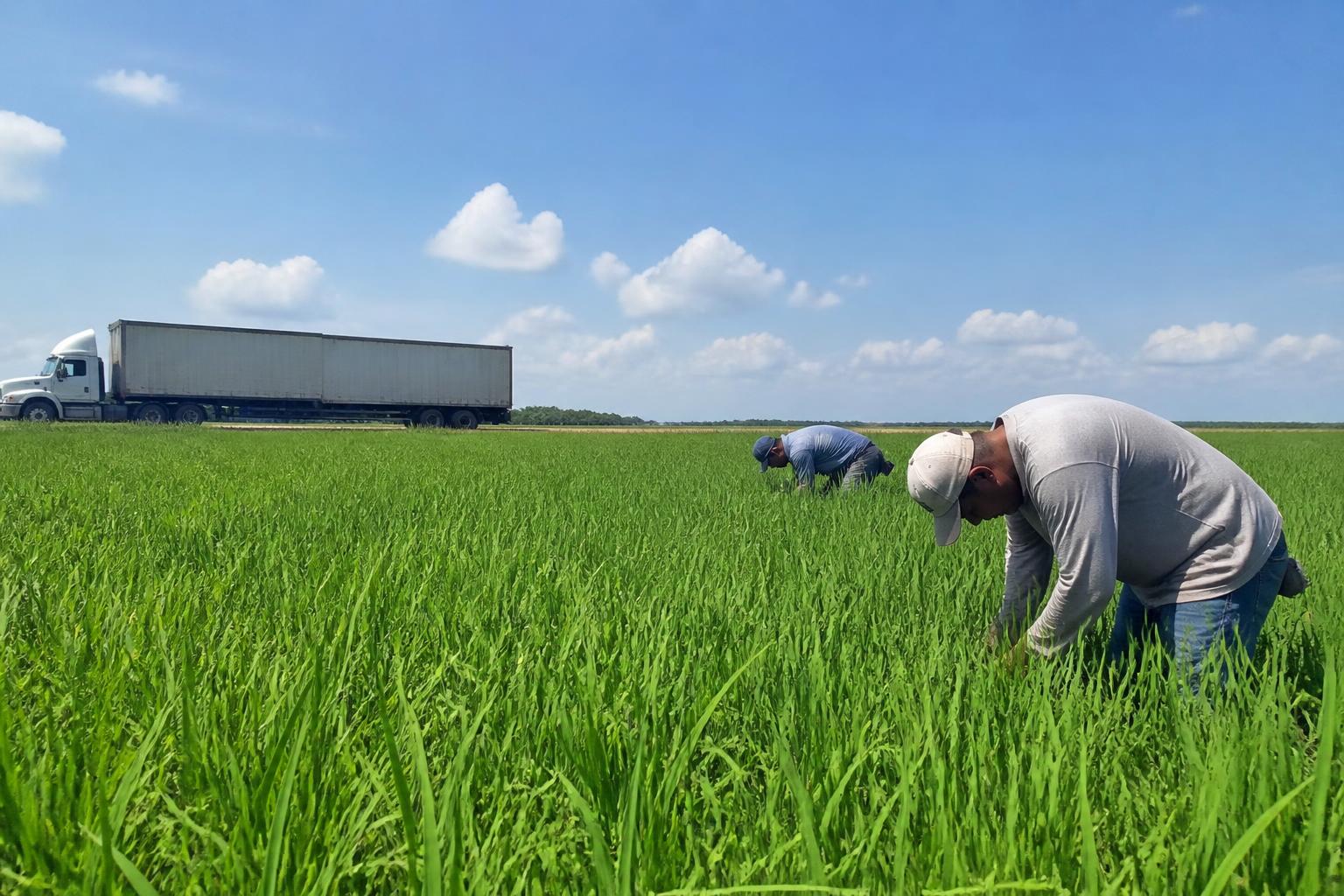
Mid-summer in Louisiana brings a unique set of pressures for local agribusinesses and grain handlers. With the heat intensifying, producers are balancing the tail-end of seasonal management activities with a keen eye on shifting acreage reports. Recent data points to a contraction in local wheat metrics, with both total planted acreage and expected yields seeing downward pressure this year. This adjustment reflects a broader trend of producers tightening their focus as they prepare for the logistical complexities of the late-summer harvest window.
For those managing grain buyers, sellers, and prices in Louisiana, keeping a close watch on regional infrastructure remains critical. While industrial developments, such as plant expansions and new energy-related facilities, often draw headlines for their long-term economic impact, their immediate presence can lead to localized shifts in land use and labor availability. These changes require elevators and logistics providers to stay agile in how they navigate seasonal traffic and storage requirements.
Managing Through Seasonal Volatility
The state's agricultural sector is also contending with persistent operational hurdles. Beyond market-driven price adjustments, producers in some parishes continue to report increasing pressure from invasive pests, which can significantly complicate harvest planning and storage quality management. Furthermore, with global geopolitical tensions occasionally affecting input markets, many farm operations are adopting more conservative stances on resource allocation for the upcoming cycles.
Effective risk management remains a top priority. As highlighted in discussions surrounding Louisiana grain logistics and market outlook, understanding the interplay between regional storage capacity and export throughput at the Gulf is essential for securing favorable positions. In an environment where every percentage point of moisture and every mile of transport matters, efficiency is the primary differentiator for bottom-line health.
Looking Ahead
As we move deeper into the summer, the focus for Louisiana grain handlers will likely remain on maintaining liquidity and mitigating counterparty risks. The industry is closely monitoring how evolving counterparty risks and pipeline property debates continue to influence local sentiment and land-use negotiations. By prioritizing transparent communication with transport partners and maintaining a flexible hedging strategy, local agribusinesses can better shield themselves from the inherent volatility of the current market cycle.
What it means for the market
The current market environment demands a proactive approach to logistical planning. Producers and elevators should emphasize operational efficiency and stay informed on localized infrastructure changes, as these factors will likely dictate grain flow and storage profitability for the remainder of the season.
Comments
No comments yet - be the first to share your take.