
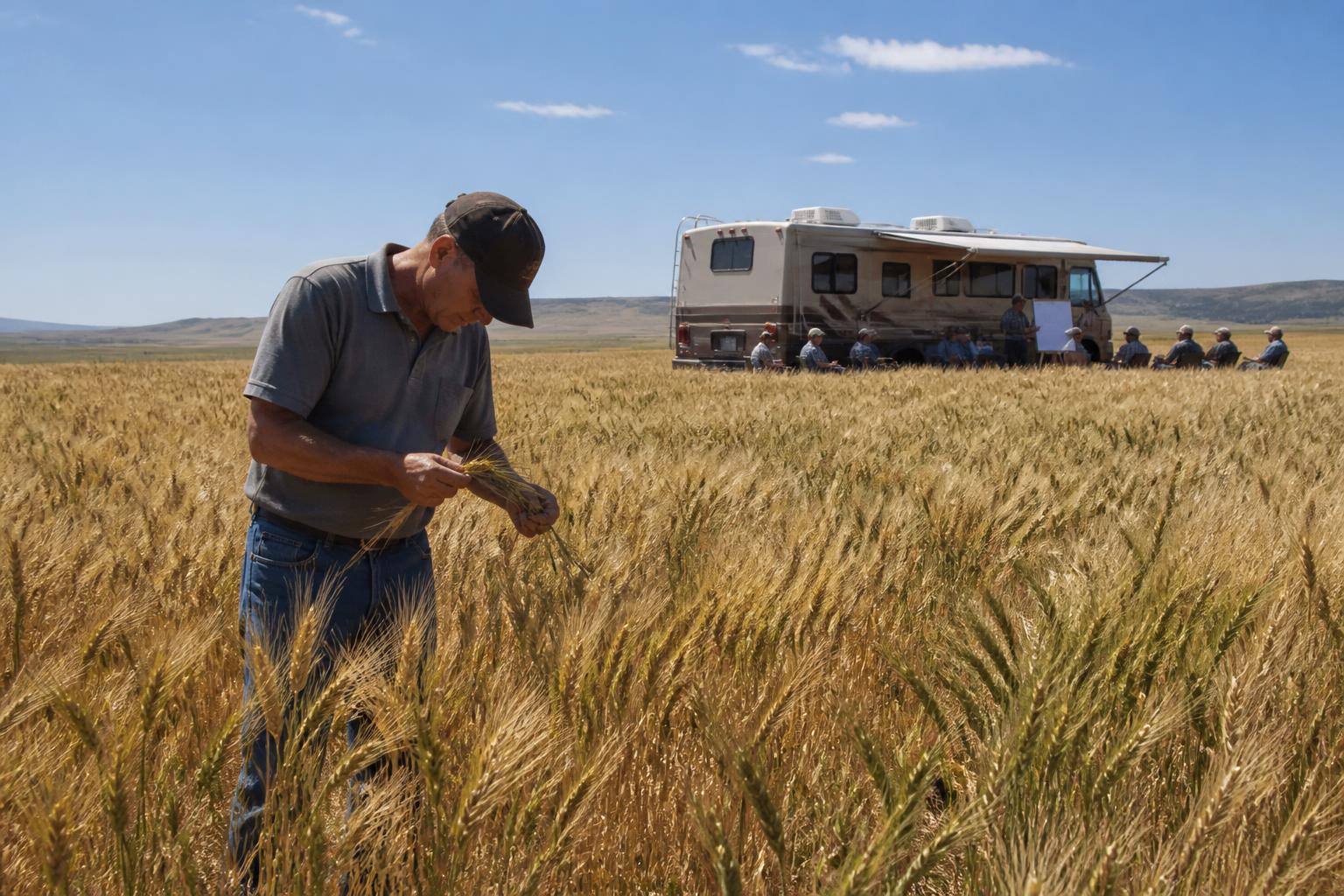
Montana producers are currently navigating a complex environment where international trade dynamics and domestic logistical challenges intersect. With recent industry tours highlighting the ongoing importance of export access, particularly for the state's signature wheat crops, growers are keeping a close watch on trade discussions that may influence future price discovery and market competitiveness.
For many across the state, the focus remains on ensuring that regional supply chains can move grain efficiently from the field to the terminal. Strengthening participation across the entire agricultural value chain is often cited as a priority to insulate local operators from broader market volatility.
The Critical Role of Logistics in Montana Ag
Efficient movement of commodities remains a cornerstone for profitability, especially as we head deeper into the summer season. Whether operating out of grain elevators in the Golden Triangle or coordinating across regional transit corridors, producers are increasingly aware that logistics bottlenecks can quickly erode already tight margins. Understanding logistics and market headwinds is essential for those looking to optimize their post-harvest distribution strategies.
Water Management and Economic Resilience
Beyond logistics, the economic viability of agricultural operations in Montana is deeply tied to sustainable land and water management. As weather patterns shift, the ability to maintain consistent irrigation practices becomes a significant factor in yield stability. Protecting these essential resources ensures that Montana remains a reliable producer, capable of meeting both domestic needs and export demands even when external market pressures mount.
What it means for the market
For the average Montana agribusiness, the current environment suggests a dual-track strategy: remain vigilant regarding international trade policy developments while doubling down on regional infrastructure efficiency. While global production estimates for commodities like corn and soy continue to shift, local producers may find the most success by focusing on the operational efficiencies they can control at home, ensuring that when the grain is ready for market, the path to the end user is as clear as possible.
Comments
No comments yet - be the first to share your take.