
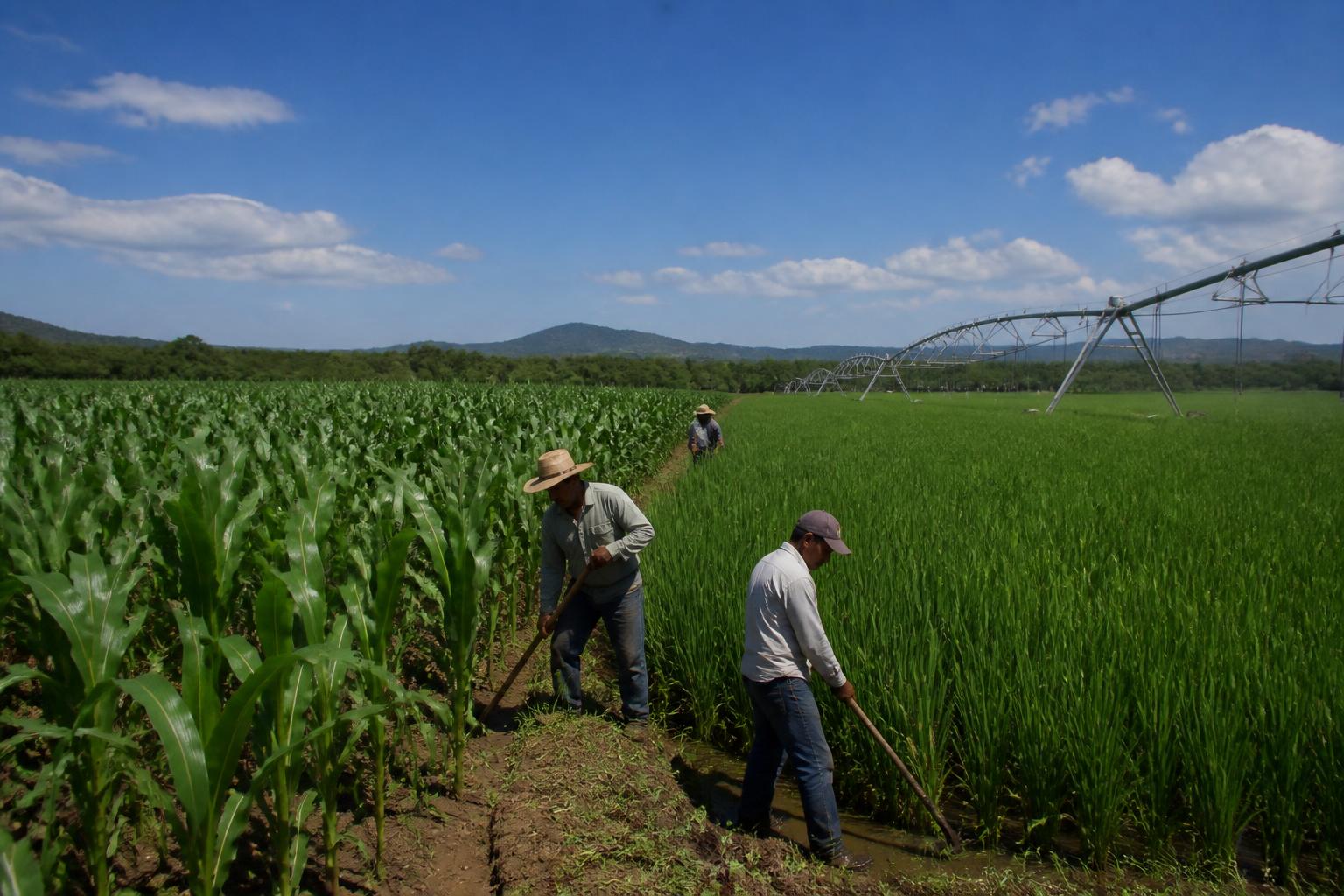
Mid-summer in Arkansas brings a unique set of challenges for local producers and grain handlers. While attention remains on field health and crop development, recent reports indicate that managing harvest logistics and facility access has become a focal point for many agribusinesses across the Delta.
With some operators reporting temporary closures of specific grain drying facilities, it is critical for farmers to confirm destination availability well before transport. Early coordination with elevators and storage providers can help avoid bottlenecks during busier seasonal windows. When local drying capacity is restricted, producers may find themselves looking toward alternative storage solutions or adjusting harvest moisture targets to maintain flow.
Monitoring Market Shifts and Regional Capacity
The Arkansas grain market often experiences shifts in basis levels, making it essential for participants to stay updated on local grain buyers, sellers and pricing trends. Regional infrastructure remains a cornerstone of the state's agricultural economy, and disruptions in processing or drying capacity can ripple through the supply chain. In regions like East Arkansas, where corn and soybean production is intensive, even minor changes in facility operations can impact local movement and delivery schedules.
As we move deeper into the summer season, staying informed on logistics and market developments is a practical priority. Whether dealing with irrigation scheduling or anticipating end-of-season storage needs, maintaining open communication with regional handlers is a reliable strategy for navigating current market volatility.
What it means for the market
For Arkansas agribusinesses, the current environment underscores the value of proactive logistical planning. While seasonal fluctuations are a natural part of the industry, keeping a close watch on the operational status of local grain infrastructure is essential for maintaining efficient operations. Producers and carriers are encouraged to verify facility capacity early in the week and monitor regional alerts to mitigate the impact of temporary downtime.
Comments
No comments yet - be the first to share your take.