
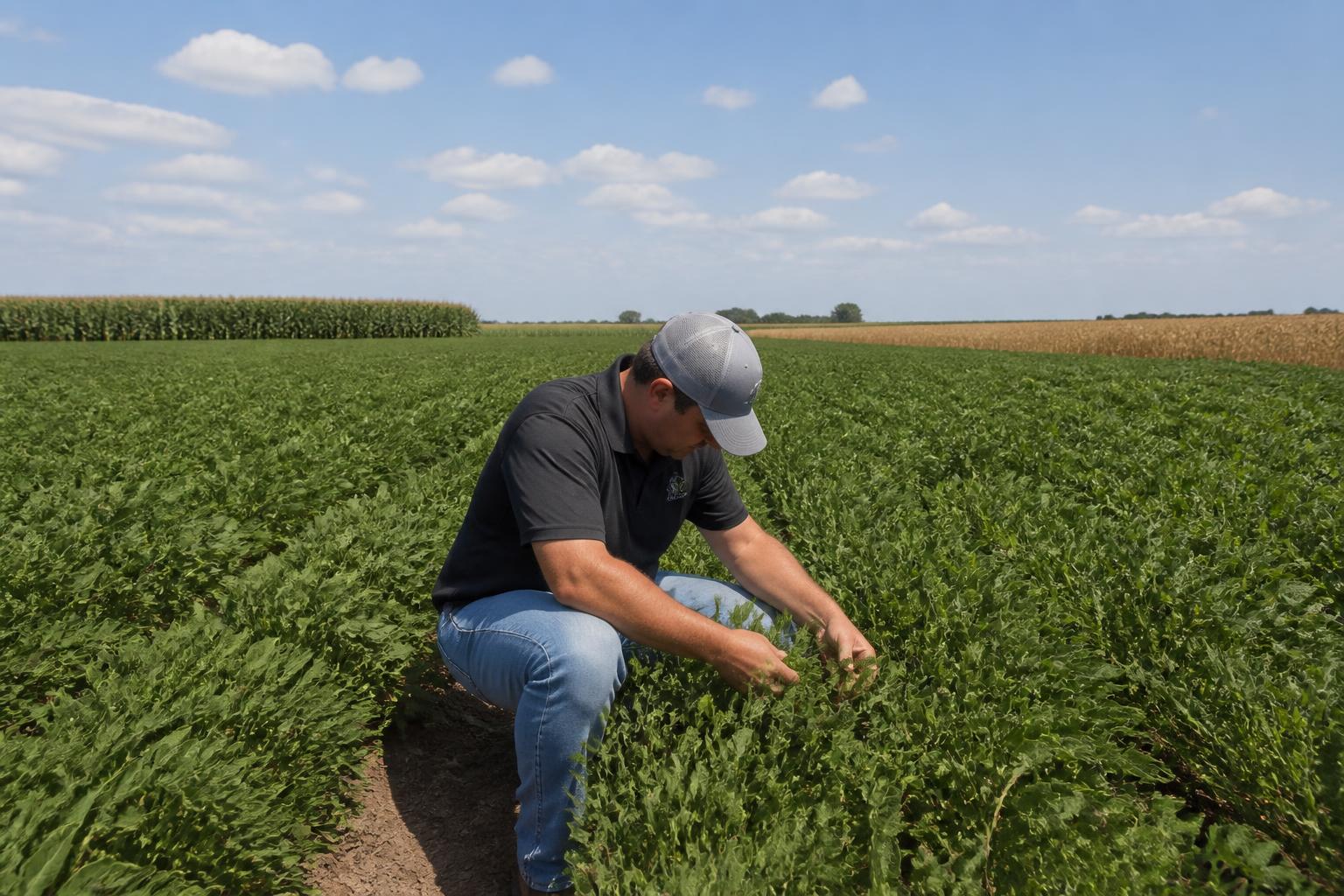
Mid-summer in Texas brings a unique set of challenges for agribusinesses and producers alike. While agricultural regions across the state work to maintain productivity during peak heat, the interplay between environmental stressors and supply chain infrastructure continues to shape local market sentiment. Producers are currently weighing the impact of fluctuating weather patterns on crop resilience, while handlers are monitoring regional storage and transit capacity.
Managing Environmental and Operational Risks
For many Texas farmers, the current season emphasizes the importance of robust operational planning and cost-effective risk management. Beyond traditional production concerns, the state's diverse agricultural sector faces pressure from persistent water management issues and the need for adaptive logistical strategies. As harvesting and maintenance cycles proceed, identifying efficient routes and storage solutions can often alleviate some of the margin pressure currently felt by grain elevators and input buyers.
Strategic risk management, including a proactive approach to crop protection and insurance planning, can be a vital hedge against unpredictable environmental events. In some parts of the state, recent climate-related challenges have prompted growers to re-evaluate their long-term sustainability and resource allocation, highlighting the value of staying informed on evolving logistics and infrastructure developments that directly impact delivery timelines and cost structures.
What it means for the market
The convergence of summer heat, potential water constraints, and shifting supply chain demands creates a volatile landscape for Texas agribusiness. Market participants should prioritize flexibility in their scheduling and maintain close communication with logistics partners to mitigate downtime. With ongoing developments in regional infrastructure and fluctuating commodity outlooks, proactive assessment of both field risks and transit efficiencies remains the most effective way to protect profitability through the remainder of the summer season.
Comments
No comments yet - be the first to share your take.