
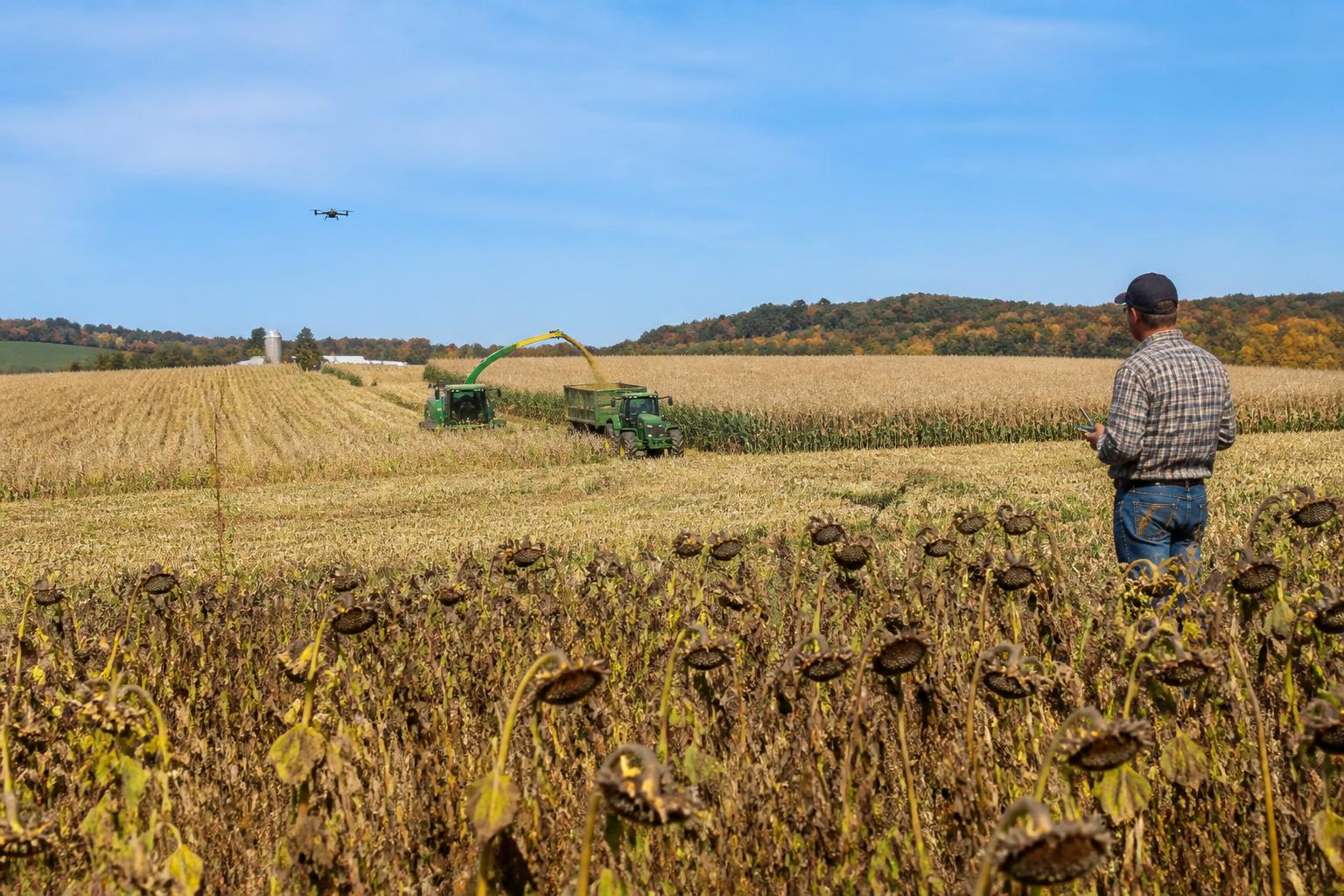
With the autumn harvest season in full swing across Maine, farmers are navigating a landscape defined by significant output potential. Reports from the broader Northeast indicate that many producers have achieved record-breaking yields, a trend that brings both operational optimism and logistical pressure to local farm businesses. Successfully moving this volume requires tight coordination between grain handlers, storage facilities, and transport carriers to maintain quality and prevent bottlenecks during the busiest windows of the season.
As you manage your harvest operations, attention to detail regarding field entries and chemical stewardship remains paramount. Producers are increasingly encouraged to review plant-back restrictions associated with previous herbicide applications, as these requirements can influence follow-up crop choices and long-term soil health. Ensuring that applications do not conflict with subsequent planting cycles is a practical risk management strategy that helps protect yield integrity.
Prioritizing Soil and Input Health
Beyond immediate logistical concerns, the focus on sustainable land management continues to evolve. More producers are adopting conservation tillage methods, which can help maintain structure and moisture levels even as seasonal traffic increases on field roads and access points. Furthermore, ongoing discussions regarding the presence of persistent chemicals in legacy applications emphasize the need for rigorous record-keeping and soil awareness when sourcing amendments or managing land transition.
Operational Efficiency in the Field
Technological integration is also playing a larger role in how Maine operations identify and resolve production hurdles. Drones are being utilized more frequently to monitor crop health and detect localized field issues that might otherwise remain hidden until harvest. By identifying these zones earlier, producers can better allocate their labor and equipment during the short, high-intensity window of the fall. As the season progresses, maintaining a balance between high-efficiency output and rigorous adherence to input guidelines will be essential for navigating the current market environment.
What it means for the market: For Maine agribusinesses and producers, the current environment underscores a transition toward higher precision in field management. While high yields are a positive indicator, they necessitate a disciplined approach to storage, chemical compliance, and logistical planning to ensure that the season’s output is effectively monetized and that long-term land productivity is preserved.
Comments
No comments yet - be the first to share your take.