
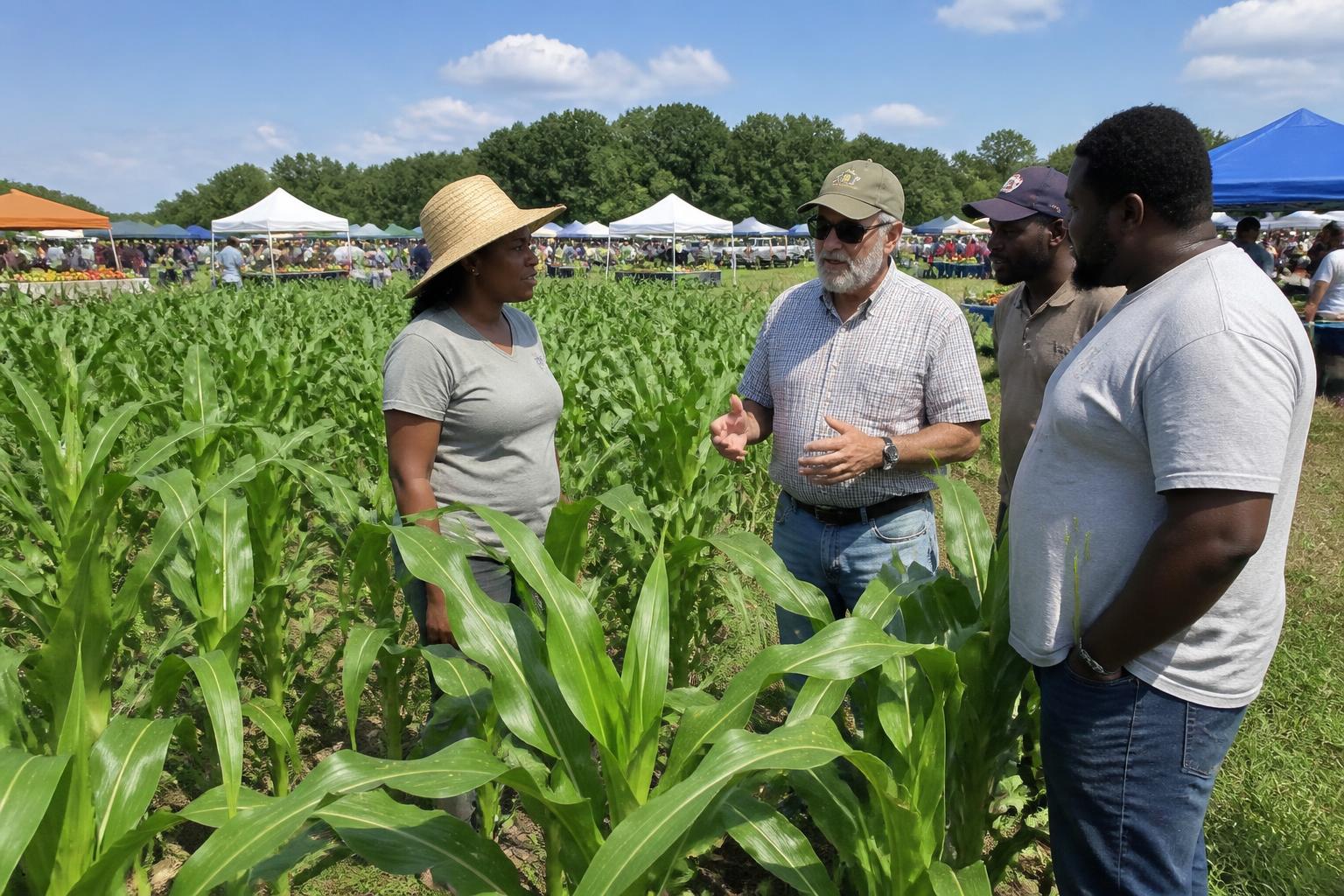
Wyoming producers are navigating a complex summer landscape where favorable field conditions meet significant economic headwinds. While the state's corn crops have recently shown resilience, with a notable portion of acreage maintaining good to excellent ratings, producers are increasingly focused on the intersection of weather patterns and national market trends.
Regional agriculture in Wyoming continues to face pressure from broader economic uncertainty. As rural indicators fluctuate, the combination of weak crop prices and shifting production costs has created a challenging environment for many local agribusinesses. For those managing inventory or planning for future inputs, staying informed on local grain buyer activity remains a critical component of risk management during these volatile periods.
Evaluating Long-Term Market Stability
Beyond the immediate harvest outlook, landowners and operators are assessing the long-term viability of their holdings. While the agricultural land market has demonstrated resilience in many areas, producers are balancing these valuations against rising operational costs. This economic environment is prompting many in the industry to look for ways to optimize, whether through improved irrigation efficiency or evaluating new production technologies.
Water Management and Resource Continuity
Water remains the central pillar for Wyoming’s agricultural success. With ongoing negotiations concerning regional water rights, such as those involving the Colorado River, producers are closely watching how policy shifts may impact their operations. Reliable water access is essential for maintaining the resilience of regional forage supplies, which serves as a foundation for much of the state’s livestock and grain output.
What it means for the market: For producers and grain handlers in Wyoming, the current market signals suggest a need for defensive financial positioning. While crop health is currently a positive factor, the convergence of weak commodity pricing and economic uncertainty means that strategic planning, efficient logistics, and careful monitoring of regional supply chains are more vital than ever for maintaining farm-level profitability throughout the remainder of the summer.
Comments
No comments yet - be the first to share your take.