
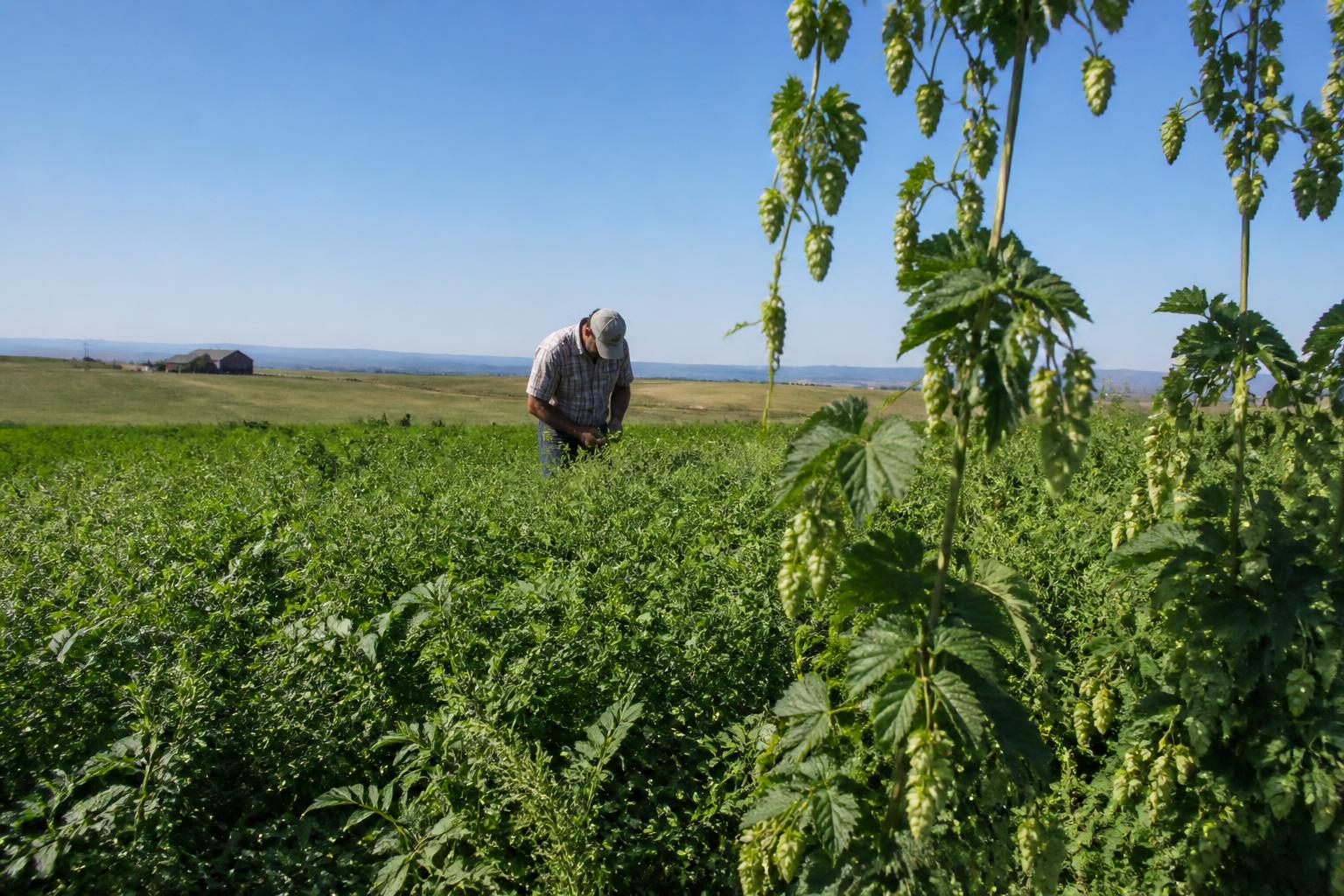
Mid-summer in Wyoming brings a critical focus on field productivity and resource management. As producers move through the peak of the growing season, the state's agricultural landscape is evolving, driven by research into climate-resilient forage and the integration of novel crops into traditional operations. These adjustments are essential for maintaining steady output against the backdrop of persistent environmental challenges.
Advancements in crop science continue to provide growers with new tools. Recent research has identified promising forage varieties tailored for the unique conditions of eastern Wyoming, offering a potential boost to local feed supplies. This is coupled with ongoing efforts in agricultural diversification, such as the emergence of specialty commercial crops like hops, which are beginning to test new ground in areas like Worland. These efforts, combined with climate-resilient crop strategies, are increasingly vital as producers look for ways to buffer their operations against unpredictable weather patterns.
Infrastructure and Resource Management
Logistics and infrastructure remain at the forefront of the state's agribusiness sector. With Laramie serving as a hub for advanced agricultural research, such as vertical farming initiatives, the connection between innovation and supply chain sustainability is becoming more pronounced. Producers are encouraged to keep a close watch on regional water governance, as the future of irrigation and land use often hinges on the oversight of major utilities and infrastructure investments.
For those managing livestock, the interplay between grain availability and local processing remains a key driver of profitability. As global grain market pressures fluctuate, the stability of Wyoming's processing facilities becomes a decisive factor for local herd management and input procurement strategies. Careful planning around feed purchasing and storage, especially during peak summer months, can help mitigate some of the price volatility seen in broader cattle markets.
What it means for the market
The Wyoming agriculture market is currently characterized by a transition toward smarter, more adaptive resource management. Whether through the adoption of new forage types or leveraging research-backed innovations, producers are positioning themselves to withstand external pressures. For grain handlers and input buyers, the focus should remain on monitoring local supply chain developments and regional research breakthroughs that may influence production costs as the season heads toward harvest.
Comments
No comments yet - be the first to share your take.