
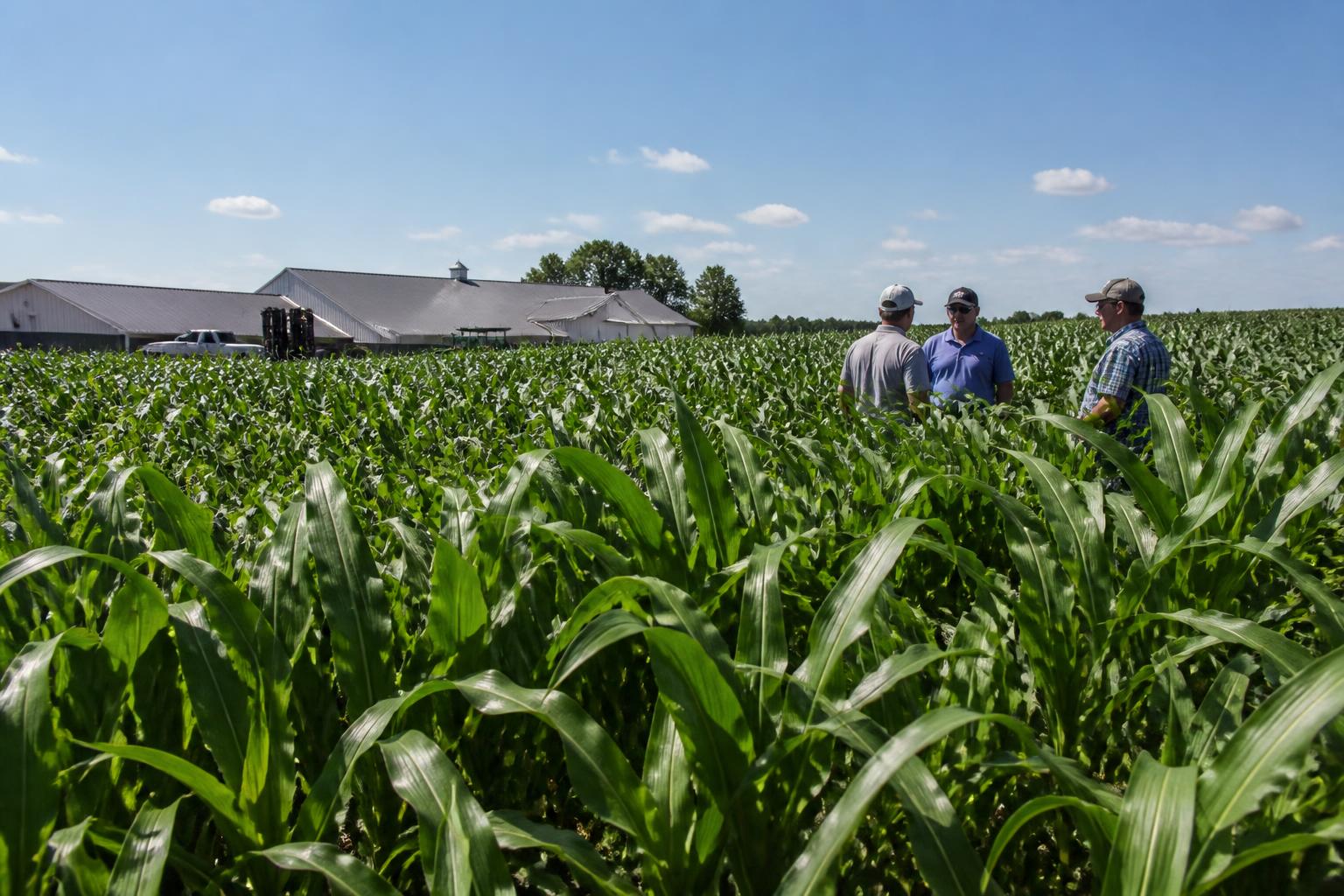
Mid-summer in Ohio brings a heightened focus on field conditions as growers monitor crop progress under variable weather patterns. With the season now in full swing, agricultural producers across the state are evaluating how recent environmental shifts and broader market pressures may influence their storage and sales strategies moving into the later months.
For many grain handlers and farmers, the current environment necessitates a closer look at local logistics and market shifts that affect the movement of grain. Whether managing existing on-farm stocks or preparing for upcoming harvest capacity, the ability to pivot between different delivery outlets remains a priority for those looking to maintain operational flexibility.
Evaluating Market and Input Stability
Uncertainties regarding trade policies and export demand often translate into regional price volatility for Ohio producers. Many agribusinesses are observing that the current market requires a more proactive approach to risk management. Understanding the grain buyers and market trends within the state can provide producers with a clearer picture of regional basis levels and potential off-take opportunities.
Beyond commodity prices, input considerations remain at the forefront. As producers plan for the remainder of the season, maintaining a lean operational profile while balancing the need for quality inputs is essential. Those navigating the complexities of modern farming often look to cooperatives and technical resources to help streamline decision-making in what has been a year of mixed economic signals.
The Role of Cooperative Infrastructure
Logistical efficiency is frequently supported by the ongoing consolidation and modernization of regional infrastructure. Mergers among local co-ops often aim to bolster service capacity, providing farmers with broader access to essential storage, drying, and transportation resources during the peak of the season. This organizational evolution is helping the state maintain its competitive edge in the Eastern Corn Belt by improving local grain handling throughput.
What it means for the market
For the Ohio agricultural sector, this period is defined by a need for agility. As farmers assess the impact of weather on yield potential and monitor the flow of commodities through established transit corridors, staying informed on localized logistics and buyer demand will be critical. Producers who prioritize hedging strategies and maintain strong relationships with local elevators are better positioned to weather the current climate of uncertainty.
Comments
No comments yet - be the first to share your take.