
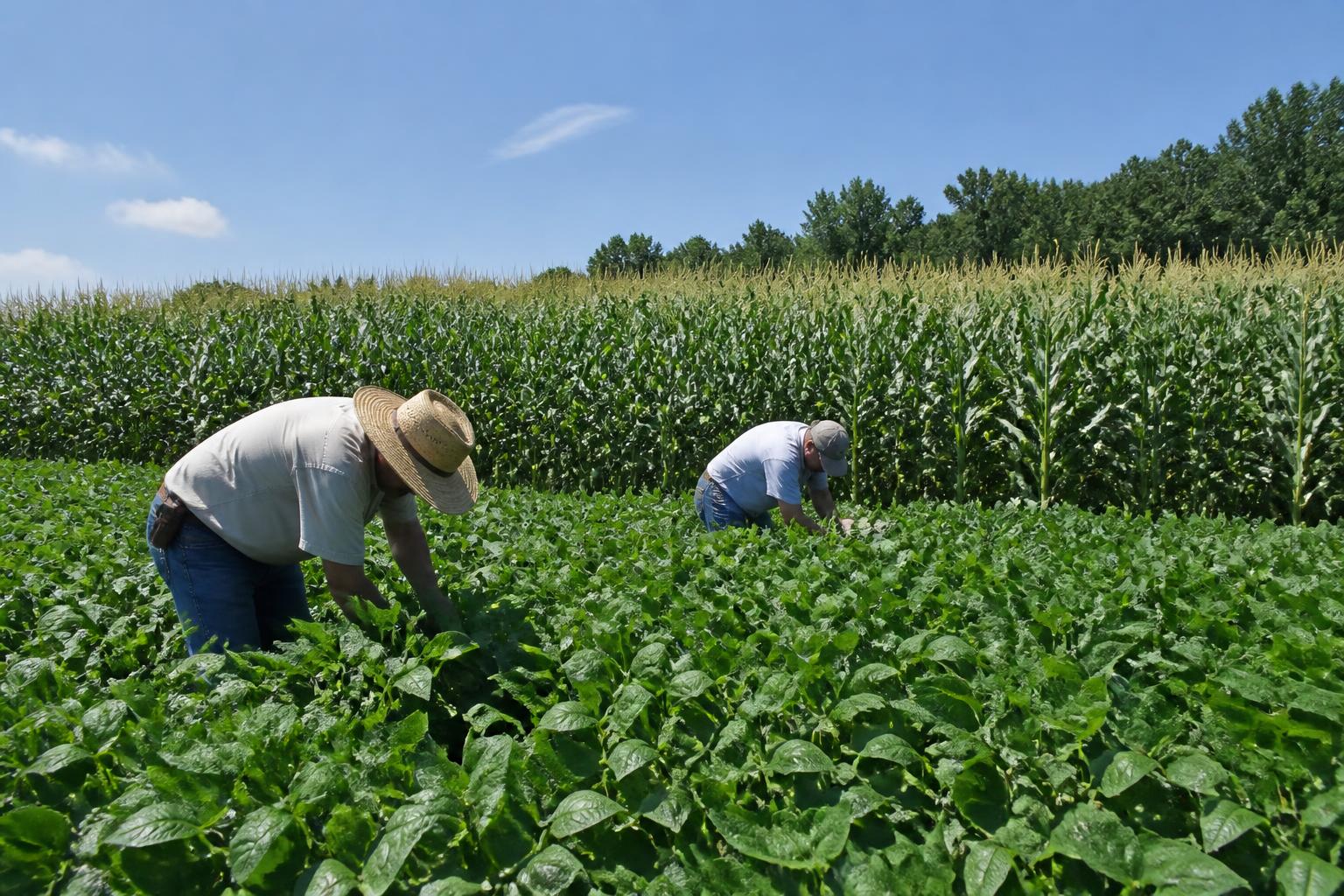
Mid-summer in North Carolina brings a distinct set of operational demands for the state's agricultural sector. As growers and agribusinesses manage the rhythm of the season, maintaining consistent logistical flow across North Carolina grain markets remains a top priority. Whether coordinating the movement of specialized equipment or ensuring the timely delivery of inputs, efficient regional transit is essential for keeping rural operations aligned with broader supply chain requirements.
Infrastructure and Transport Efficiency
For many producers in the state, the ability to navigate local infrastructure is a vital component of daily business. From the coastal plains to the Piedmont, maintaining reliable access to regional corridors can often determine the success of time-sensitive operations. Advanced planning around road usage and transit bottlenecks typically helps minimize delays, allowing farm operations to stay focused on production rather than distribution hurdles.
Building Resilience into the Supply Chain
Modern agricultural operations in North Carolina are increasingly integrating technology to improve predictability. By leveraging analytical insights, firms can often optimize the deployment of resources, which is particularly beneficial when managing the complexities of specialized crop supply chains. This shift toward data-informed decision-making supports better coordination between regional hubs and the final points of distribution, creating a more robust framework for handling seasonal shifts.
What it means for the market
The current market environment underscores the importance of operational adaptability. By prioritizing efficient logistics and remaining attentive to regional transit patterns, North Carolina agribusinesses can maintain better control over their bottom line. Success in the coming months will likely hinge on the industry's ability to balance proactive resource management with the realities of navigating the state's busy transportation networks during a period of sustained agricultural activity.
Comments
No comments yet - be the first to share your take.