
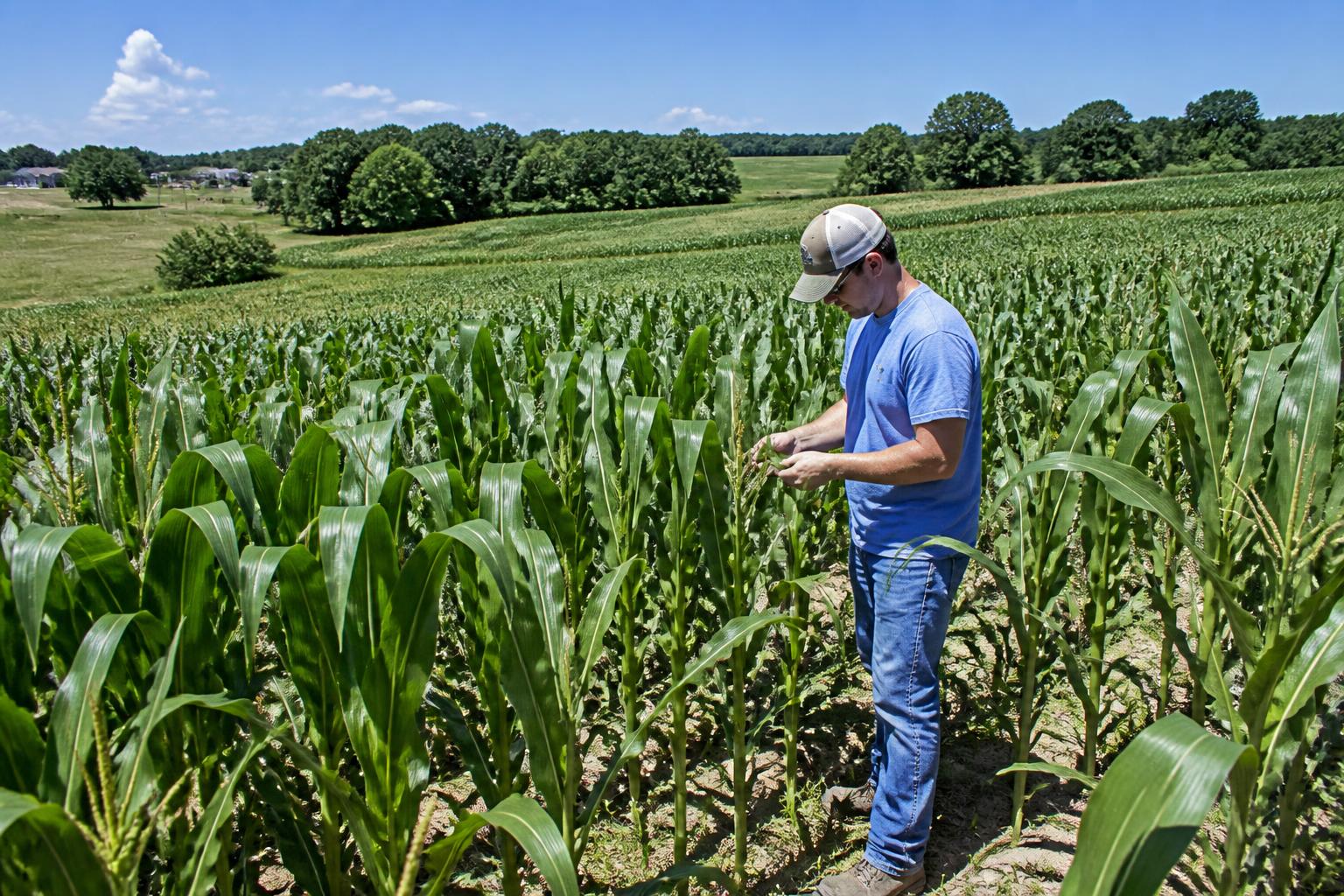
North Carolina agricultural producers continue to face a unique set of regional challenges as they manage mid-summer operations. Market participants are increasingly focused on local grain basis, which remains a primary concern as producers look to optimize returns in an environment marked by fluctuating supply chains and regional demand shifts. Effectively navigating mid-summer agronomic hurdles requires a keen understanding of both local elevator capacity and the broader transportation networks that move commodities from the field to the terminal.
Logistical Adaptation in the Tar Heel State
The state's infrastructure, including major highway corridors and coastal port facilities, plays a vital role in regional competitiveness. For many grain handlers and carriers, maintaining efficient throughput remains the top priority during the high-activity summer months. With the integration of new transit services into ports like Wilmington, there is a renewed emphasis on how domestic and international logistics intersect. Agribusinesses are often required to balance the immediate need for efficient grain movement with the long-term goal of improving regional basis levels.
Technology and Infrastructure Outlook
Advancements in transportation technology are being explored to help streamline the movement of agricultural goods across North Carolina. From academic symposia focused on driving efficiency to the implementation of AI-based systems intended to increase the predictability of rural transit, the sector is looking toward innovation to mitigate classic logistics bottlenecks. These efforts are essential as the state works to reconcile its production capabilities with the evolving demands of the interstate and global marketplace.
What it means for the market
For farmers, carriers, and elevator managers, the current environment necessitates a proactive approach to logistics. As the summer progresses, keeping a close eye on local storage availability and carrier scheduling can help prevent potential bottlenecks. While the path forward involves navigating complex variables, staying informed on infrastructure developments and local basis trends remains the best strategy for protecting margins throughout the remainder of the season.
Comments
No comments yet - be the first to share your take.