
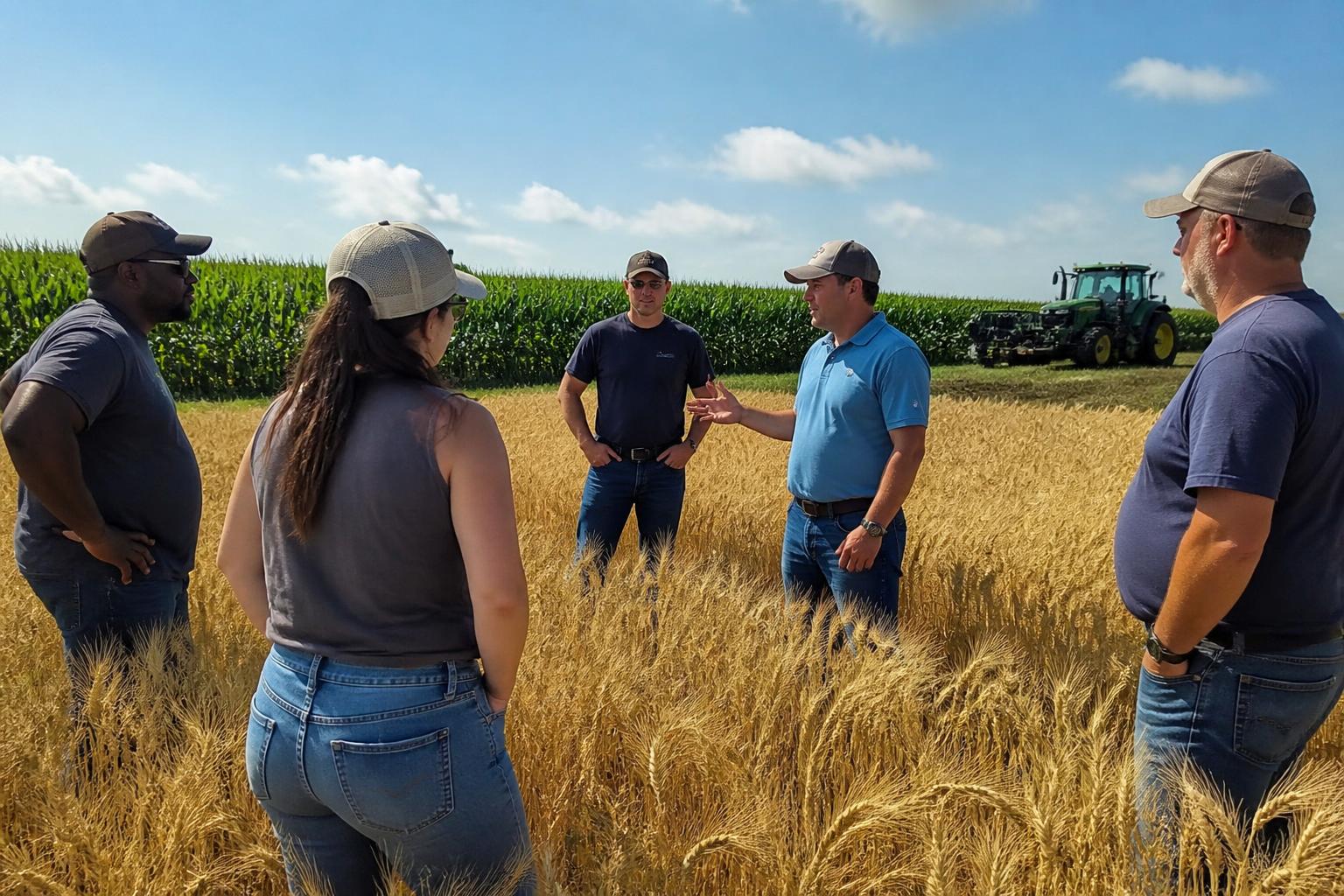
In the midst of the growing season, Minnesota producers are facing a landscape defined by significant economic caution. As fields across the state reach critical development stages, agricultural stakeholders are recalibrating their financial outlooks in response to persistent market volatility. For many, the focus has shifted toward refining input strategies to protect bottom lines against shifting commodity price trends.
The challenge of managing tight margins is influencing decisions across the Corn Belt, with producers increasingly prioritizing efficiency in both fertilizer application and crop protection. Recent reports indicate that while traditional management practices remain vital, there is a growing necessity to balance immediate input costs with long-term soil health objectives. Staying informed on grain buyers, sellers and prices in Minnesota remains a key component for farms looking to optimize their marketing windows during this mid-season period.
Strategic Shifts in Input Management
As the season progresses, farmers are looking for ways to streamline operations without compromising yield potential. This has led to a heightened interest in cost-share programs, particularly for irrigation, which can offer a buffer against unpredictable weather patterns. Furthermore, as producers evaluate their current summer pest management and input cost strategies, the emphasis is placed on precision. By carefully monitoring field conditions, growers can avoid unnecessary expenses while addressing localized pressures that could threaten harvest volumes later this year.
Market Outlook and Regional Context
The regional market continues to react to both local and broader economic signals. While regulatory environments, such as those governing crop protection, remain stable in the state, the underlying economic pressure is driving innovation. From the adoption of heritage grains for specialized markets to the implementation of new irrigation technology, Minnesota agribusinesses are showing a high degree of adaptability. For those managing input-heavy operations, understanding the current headwinds facing soil health and resource management is essential for maintaining operational resilience throughout the summer months.
What it means for the market
For grain handlers and agribusinesses, the current trend suggests that producers will be more selective with their purchasing for the remainder of the growing season. We can expect a continued trend toward high-efficiency inputs as farmers prioritize capital preservation. Monitoring local cash bid volatility and adjusting logistics accordingly will be crucial for grain elevators and input suppliers as we move deeper into the summer window.
Comments
No comments yet - be the first to share your take.