
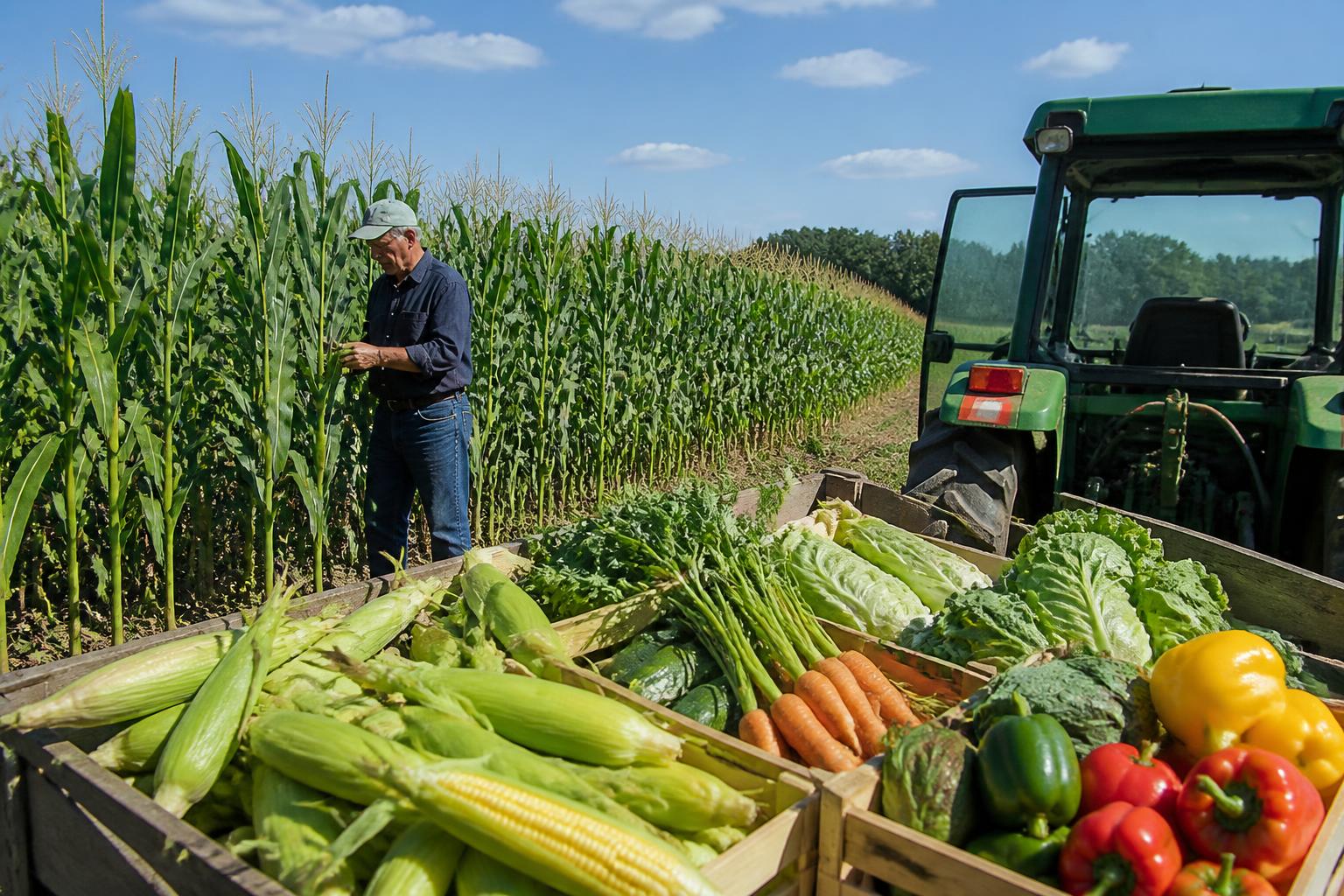
Illinois growers are currently navigating a complex environment where regulatory discourse and economic pressures intersect. With summer field work in full swing, agricultural producers across the state are balancing the practical needs of crop protection with the broader realities of a volatile market economy.
Recent signals from federal authorities suggest a continued, respectful approach toward the safety profiles of established crop protection tools like glyphosate. For Illinois producers, maintaining access to reliable crop protection strategies remains a cornerstone of maintaining yield consistency. Growers often look to these tools to manage weed pressure, though the evolving regulatory landscape necessitates a proactive stance in farm management.
The Impact of Persistent Food Price Inflation
Beyond the field, the broader economic outlook remains challenging. Reports suggest that food price inflation may remain elevated for the foreseeable future, creating variable impacts across the supply chain. For local elevators and agribusinesses, this inflationary environment can complicate logistics and input cost planning, as transport expenses and operational overhead remain sensitive to shifting national economic trends.
Strategic Planning for Illinois Producers
In regions ranging from the fertile corridors of Central Illinois to the transport hubs near the Mississippi River, efficiency is the priority. Many growers are choosing to focus on long-term stability by reviewing their input procurement and diversifying their operational footprint to better withstand market shocks. Understanding the ag transport and supply chain dynamics is essential for those looking to move commodities effectively as the season progresses toward harvest.
What it means for the market
Producers should prepare for continued input price sensitivity as inflation persists. While regulatory signals regarding chemical safety offer some clarity, the primary focus for Illinois stakeholders should remain on optimizing logistics and managing operational costs to hedge against the ongoing variability in food price trends.
Comments
No comments yet - be the first to share your take.