
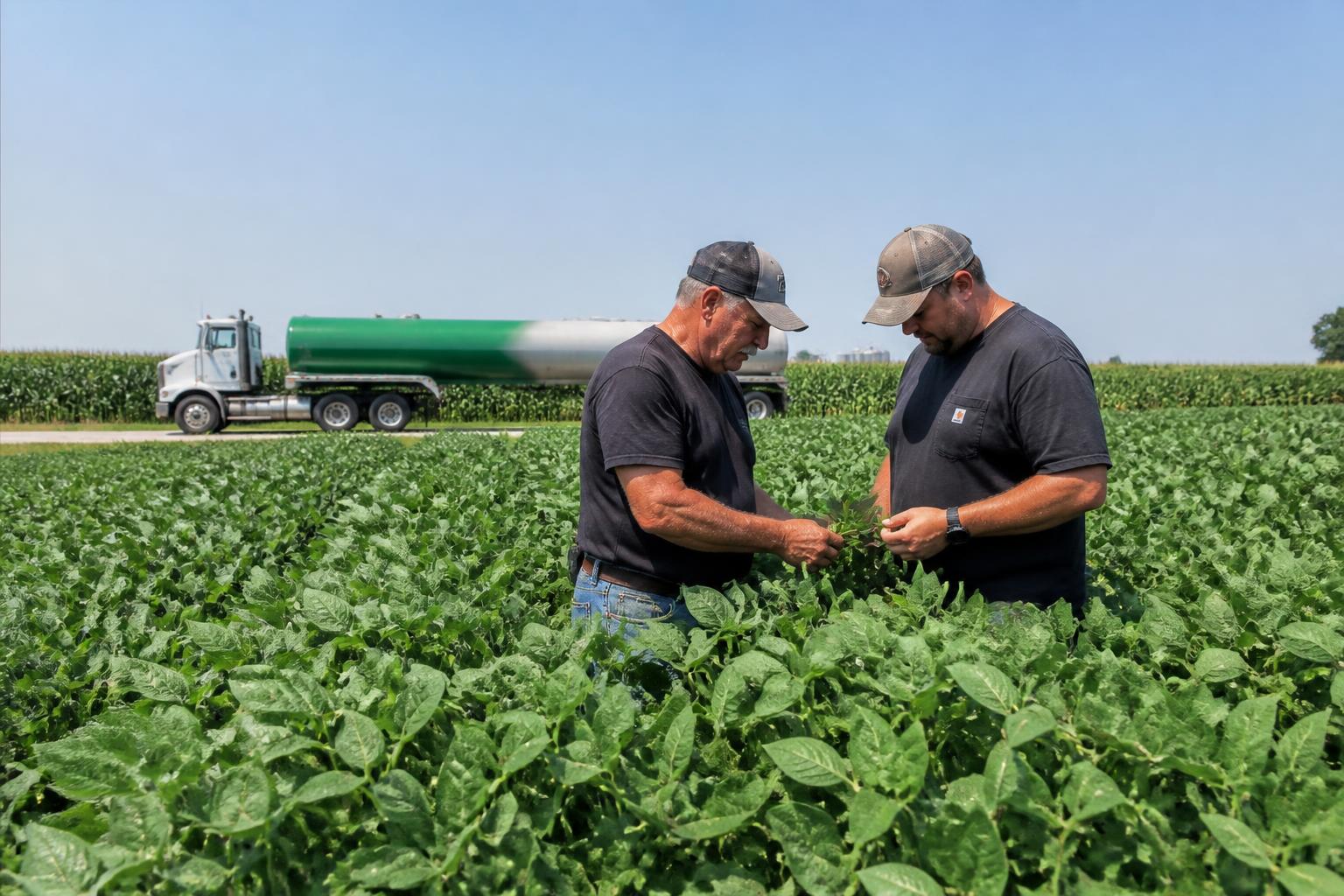
As the Illinois growing season reaches a critical mid-summer juncture, the agricultural sector continues to grapple with the complexities of supply chain management and infrastructure resilience. From the corridors serving our major grain ports to the rural networks moving essential inputs, maintaining efficient transport remains a top priority for producers and handlers alike.
Understanding the interplay between local logistics and broader market forces is essential for maintaining thin margins. Managing these variables effectively is key for Illinois growers, particularly as they navigate logistics volatility and fluctuating input costs during the summer heat.
Fertilizer Infrastructure and Supply Trends
The state has seen significant movement in the fertilizer sector, with new development projects like the Tuscola facility aimed at bolstering domestic capacity. Such initiatives may eventually provide a buffer against the reliance on international fertilizer supplies, a concern that often ripples through grain markets and complicates planning for the next planting cycle. Lower nitrogen prices provide some relief, yet local stakeholders remain focused on long-term supply stability.
Sustainability and Logistics
Innovations in transport are gaining traction, including the potential for increased reliance on biodiesel fuel blends for agricultural trucking fleets. By integrating these cleaner energy sources, some agribusinesses may find opportunities to improve fuel efficiency and hedge against energy price swings. Meanwhile, regional infrastructure remains under pressure, necessitating a proactive approach to managing landscape margins and evolving production standards across the state.
What it means for the market
For Illinois farmers and logistics operators, the current climate demands a keen eye on both immediate operational costs and long-term infrastructure shifts. While headline-grabbing developments in cultivated meat and new manufacturing plants signal a diversifying state economy, the bread-and-butter of Illinois agriculture continues to rely on the reliable movement of grain and the affordable access to inputs. Staying informed on regional policy changes regarding conservation programs and infrastructure funding will be vital for protecting your operation's bottom line through the remainder of the season.
Comments
No comments yet - be the first to share your take.