
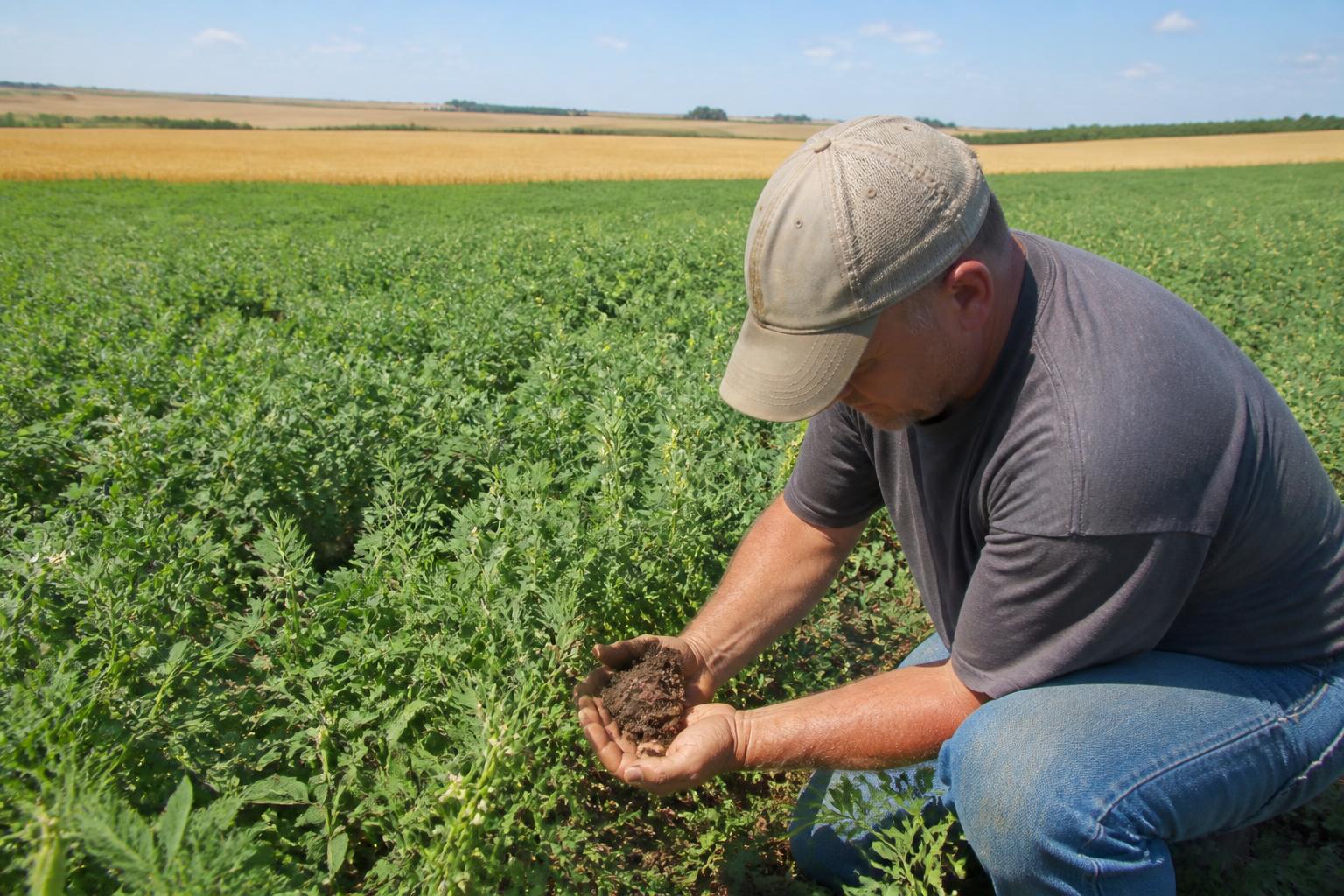
Mid-July marks a pivotal period for Nebraska producers as crops transition through rapid vegetative growth and early reproductive phases. Across the state, from the highly productive northeast counties to the irrigation-dependent fields of the south-central region, maintaining input efficiency has become a primary objective. With precision spraying and data-driven management becoming more prevalent, growers are finding new ways to stretch their budgets while combating persistent threats like herbicide-resistant weeds.
Targeted Defense Against Emerging Pests
Integrated pest management remains at the forefront of field operations this season. Recent research continues to refine strategies for managing threats like the soybean gall midge, which can significantly impact yield potential if left unaddressed. As drone technology gains traction across the U.S. landscape, many Nebraska agribusinesses are leveraging aerial scouting to identify infestation hotspots earlier than traditional ground scouting allows. This early detection is essential for minimizing chemical application costs and ensuring that protective measures remain effective throughout the fight against resistant weeds like Palmer amaranth.
Optimizing Local Input and Land Economics
Beyond crop protection, the financial side of the operation remains complex. Farmers continue to monitor local cash rent rates, which are notably highest in the northeastern part of the state, placing added pressure on input-to-profit ratios. Whether producers are utilizing biological soil health improvements or sticking to conventional chemical programs, the focus is on maximizing the efficiency of every acre. For those managing grain stocks or planning for the upcoming harvest, staying informed on current logistics and transport costs can help mitigate the impact of fluctuating market conditions.
What it means for the market
For Nebraska farmers and service providers, the path toward profitability this season relies on balancing aggressive crop protection with disciplined input spending. As the state moves toward late summer, maintaining vigilance against pests and optimizing logistical workflows will be key to protecting margins in a volatile trade environment.
Comments
No comments yet - be the first to share your take.