Navigating Colorado's Shifting Grain Market and Input Landscape
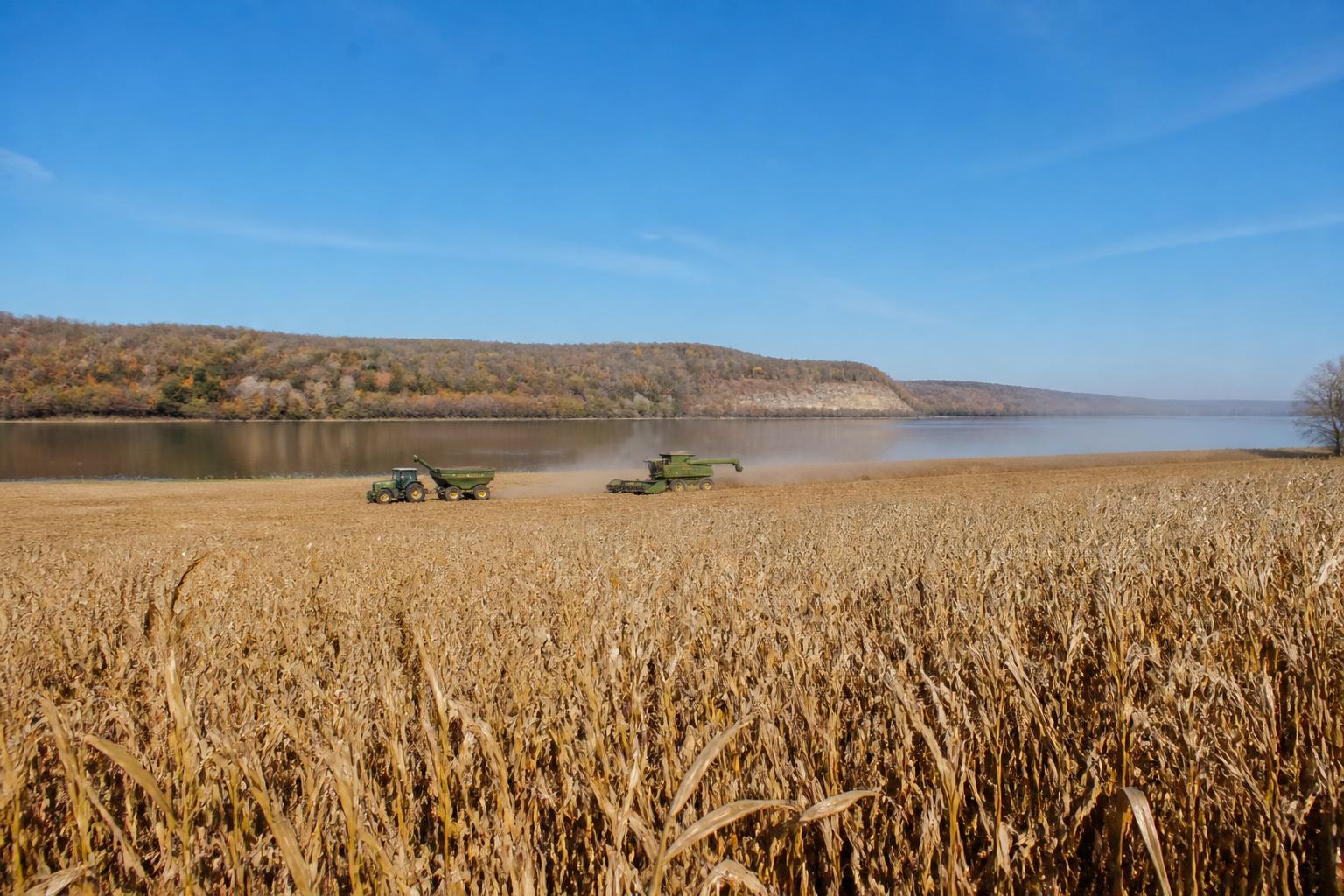
As Colorado producers move into the heart of fall, they face the dual challenge of market volatility and persistent drought conditions affecting local operations.
We collect original digests and analytical notes based on facts, market signals and verified sources.
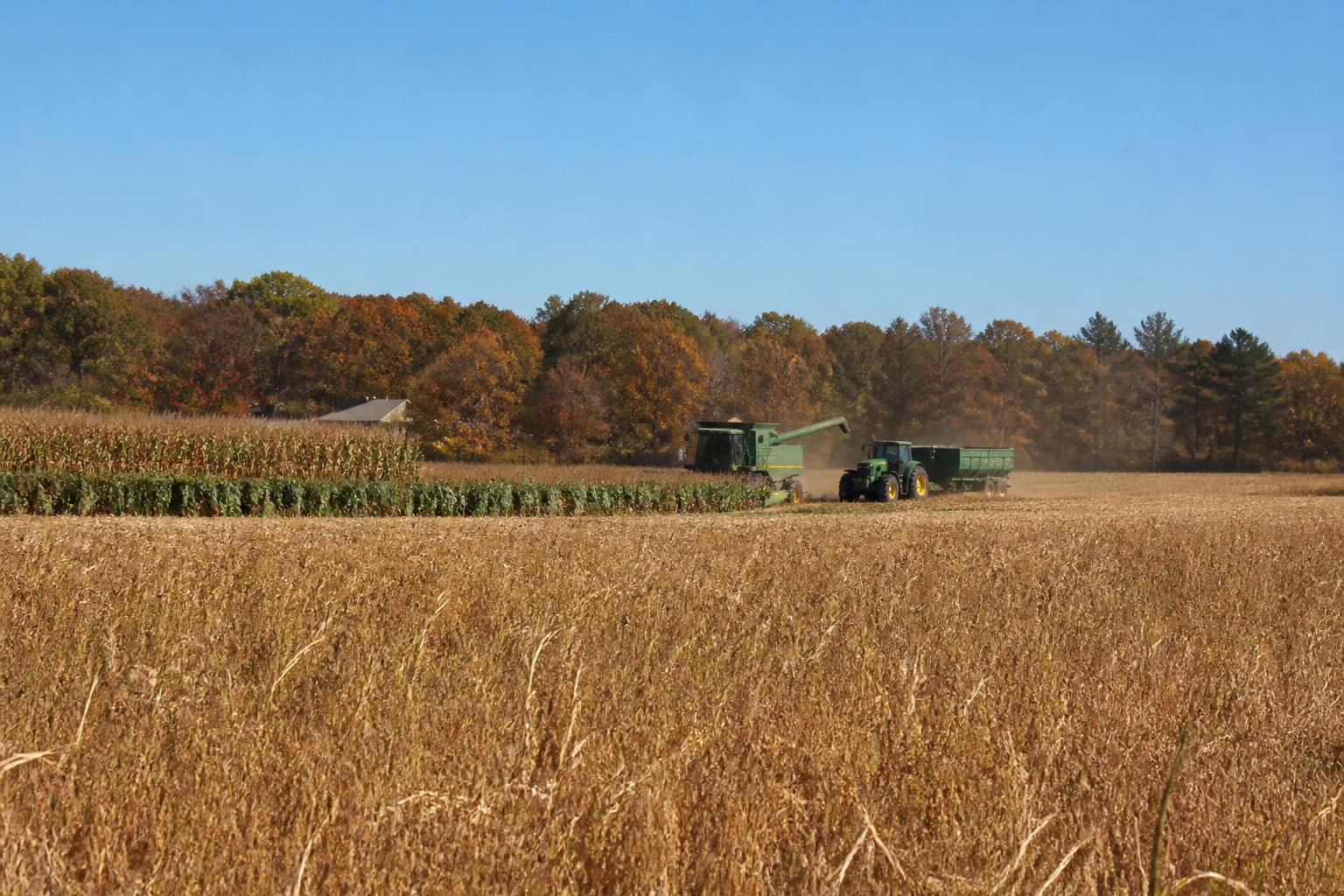
As Tennessee harvests approach peak activity, growers and carriers are managing logistics to ensure timely movement of crops from the field to local elevators.
As Colorado producers move into the heart of fall, they face the dual challenge of market volatility and persistent drought conditions affecting local operations.
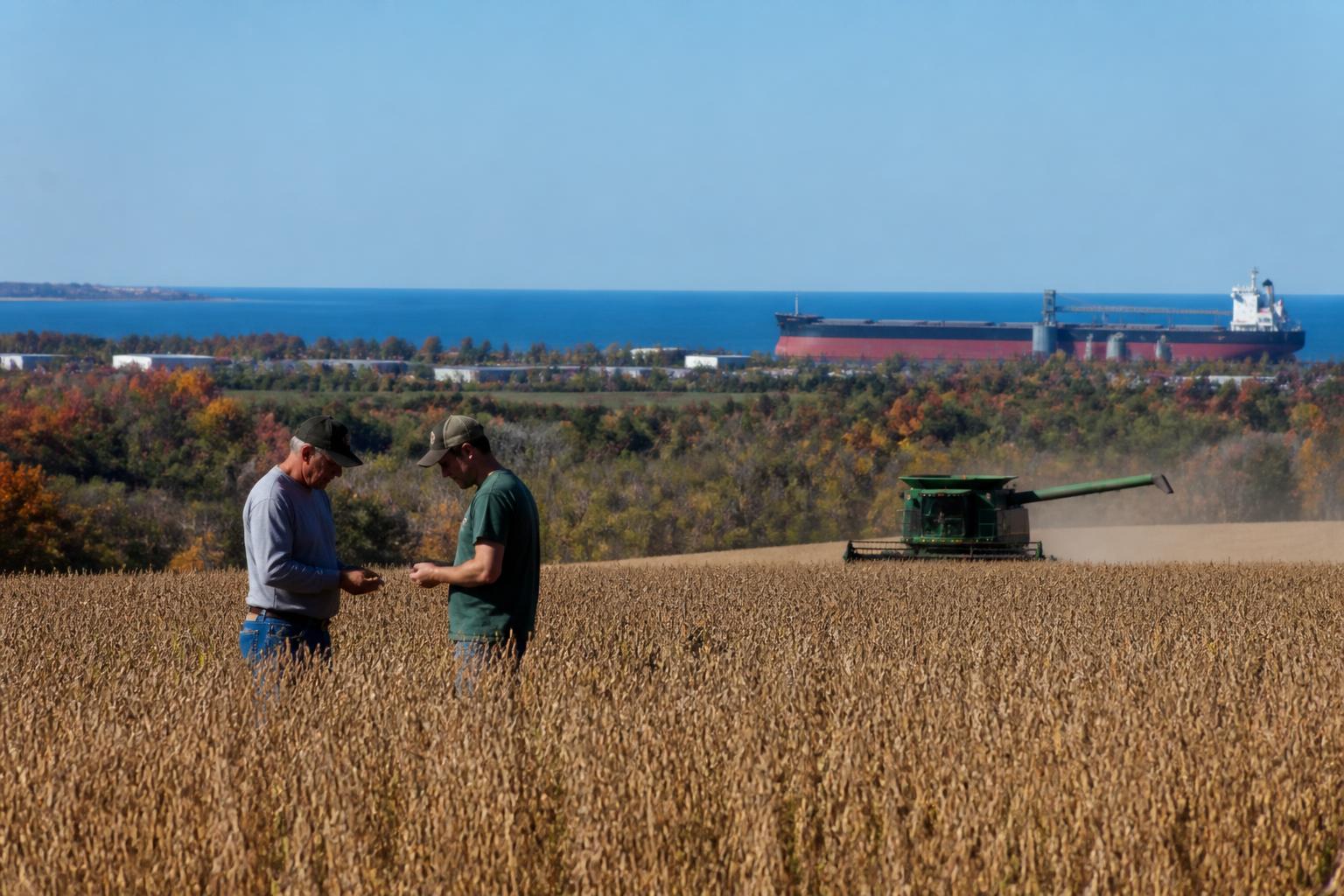
As New York farmers enter the fall harvest season, global energy price fluctuations and supply chain instability are creating a complex landscape for grain movement and input procurement.
As Alabama moves further into the fall harvest, grain handlers and producers should prioritize logistics coordination and storage efficiency to mitigate potential transport bottlenecks.
As the fall harvest season arrives in Connecticut, producers and agribusinesses are monitoring broader market shifts while balancing regional logistics and operational costs.
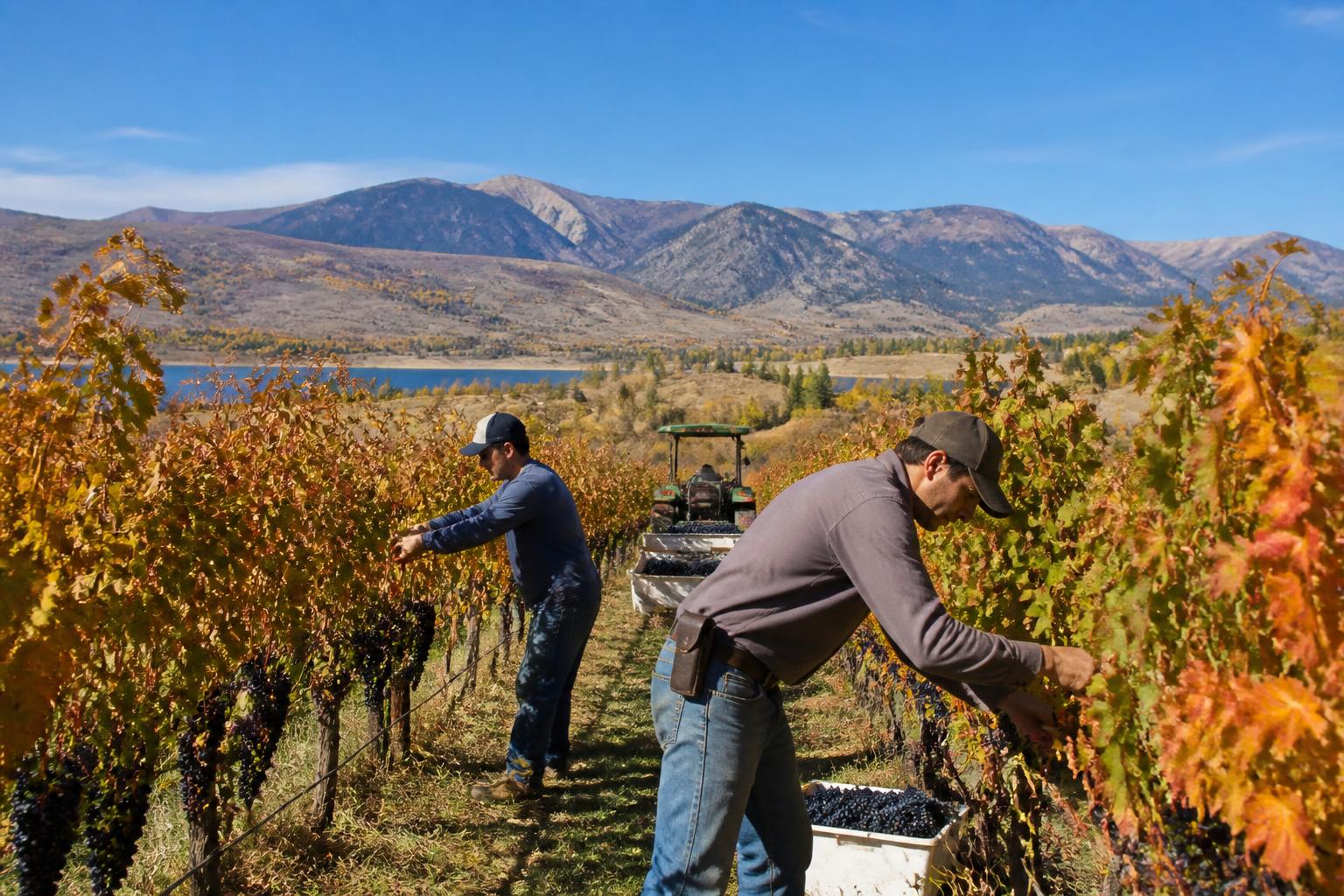
As harvest gains momentum across Washington, producers are navigating a complex landscape defined by rising input costs and tightening logistics, requiring strategic planning for the season ahead.
Wisconsin grain handlers and producers are seeing shifts in logistics capacity as new shuttle loader infrastructure improves export flow and regional transport options.
As fall harvest activities ramp up across South Carolina, producers are navigating a complex landscape defined by shifting yield forecasts and ongoing logistical considerations.
As Wisconsin producers push into the fall harvest, limited grain elevator capacity is creating logistical bottlenecks across the state, prompting farmers to reevaluate on-farm storage needs.
As Nebraska producers move deeper into the fall harvest, localized grain storage shortages are prompting logistical shifts across the Western Corn Belt.
As the fall harvest accelerates across Mississippi, low water levels on the Mississippi River are creating significant transportation bottlenecks for grain producers.
As the fall harvest approaches in Minnesota, agricultural producers are balancing logistics, regulatory compliance, and shifting export dynamics in an evolving trade environment.
As Virginia's harvest season progresses, regional growers are refining crop rotations and logistics to navigate shifting market demands and new infrastructure developments.
Sign in to manage requests, save contacts and respond to market offers quickly.
Continue with Google Continue with MicrosoftSign in to manage requests, save contacts and respond to market offers quickly.
Continue with Google Continue with MicrosoftEnter your email and we will send a password reset link.
Don't have an account?
We value your privacy
We use cookies to run the site and, with your consent, to measure traffic (Google Analytics) and personalize ads. You can accept, reject, or choose. Privacy Policy