
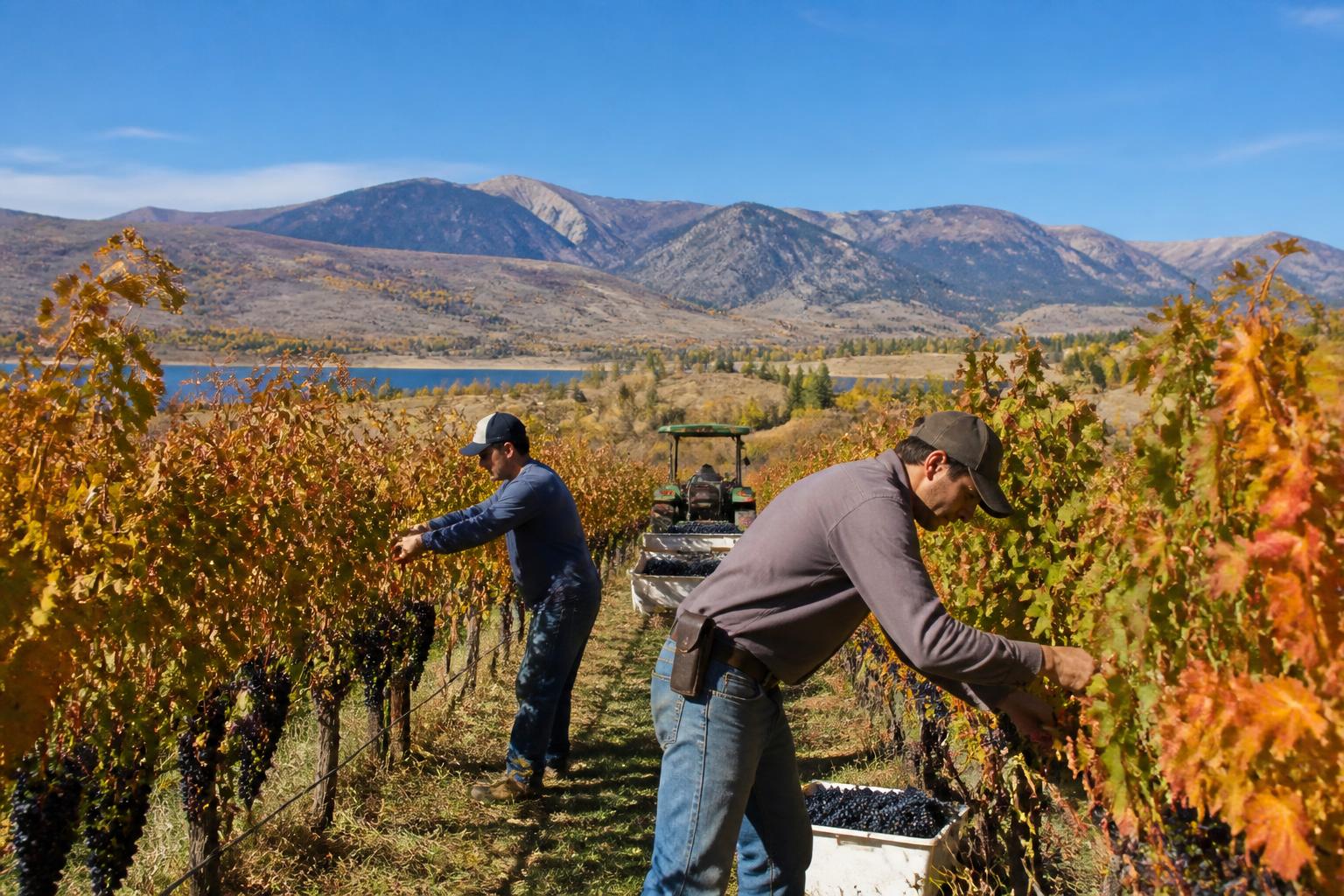
As Colorado producers transition further into the fall season, the agricultural landscape remains defined by tight management of resources. With ongoing drought conditions in several parts of the state, grain handlers and farmers are increasingly focused on operational efficiency. The current market environment requires a careful balance between managing harvest logistics and mitigating the risks posed by fluctuating input costs, particularly for those looking ahead to future planting cycles.
Resource Management in Challenging Conditions
For many operations, recent weather patterns have intensified the need for robust planning. Producers are often evaluating their storage capacity and grain marketing strategies to buffer against the volatility typical of this time of year. Understanding the current dynamics of grain storage costs is essential for maintaining liquidity. As harvest activities ramp up, logistics remain a priority, with many local grain elevators emphasizing the importance of timely delivery scheduling to avoid bottlenecking at key transit points.
Input Pressures and Sector Updates
The input sector remains a focal point for Colorado agribusinesses, as global pressures continue to influence the availability and cost of essential supplies. Producers who are preparing for upcoming seasonal shifts often find it necessary to closely monitor fertilizer price trends to ensure their budget remains viable. Beyond standard grain operations, those diversifying into specialty crops or looking for infrastructure improvements are keeping an eye on grant and scholarship opportunities that may provide financial relief for future development.
Strategic Planning for Operations
As the state navigates these complexities, the focus for many is on long-term resilience rather than short-term gains. Whether it is through adopting new technology to optimize yields or refining their approach to operational efficiency in grain markets, local farmers are adapting their strategies. Staying informed about broader policy developments and regional resources, such as specialized directories or extension programs, remains a critical component for those managing large-scale, multi-crop operations in the region.
What it means for the market
The combination of dry conditions and market uncertainty places a premium on data-driven decision-making. Producers who prioritize flexible storage and hedging strategies may find themselves better positioned to weather the current volatility. As we move deeper into fall, the focus will remain on managing harvest throughput while keeping a cautious eye on the cost structures heading into the next growing season.
Comments
No comments yet - be the first to share your take.