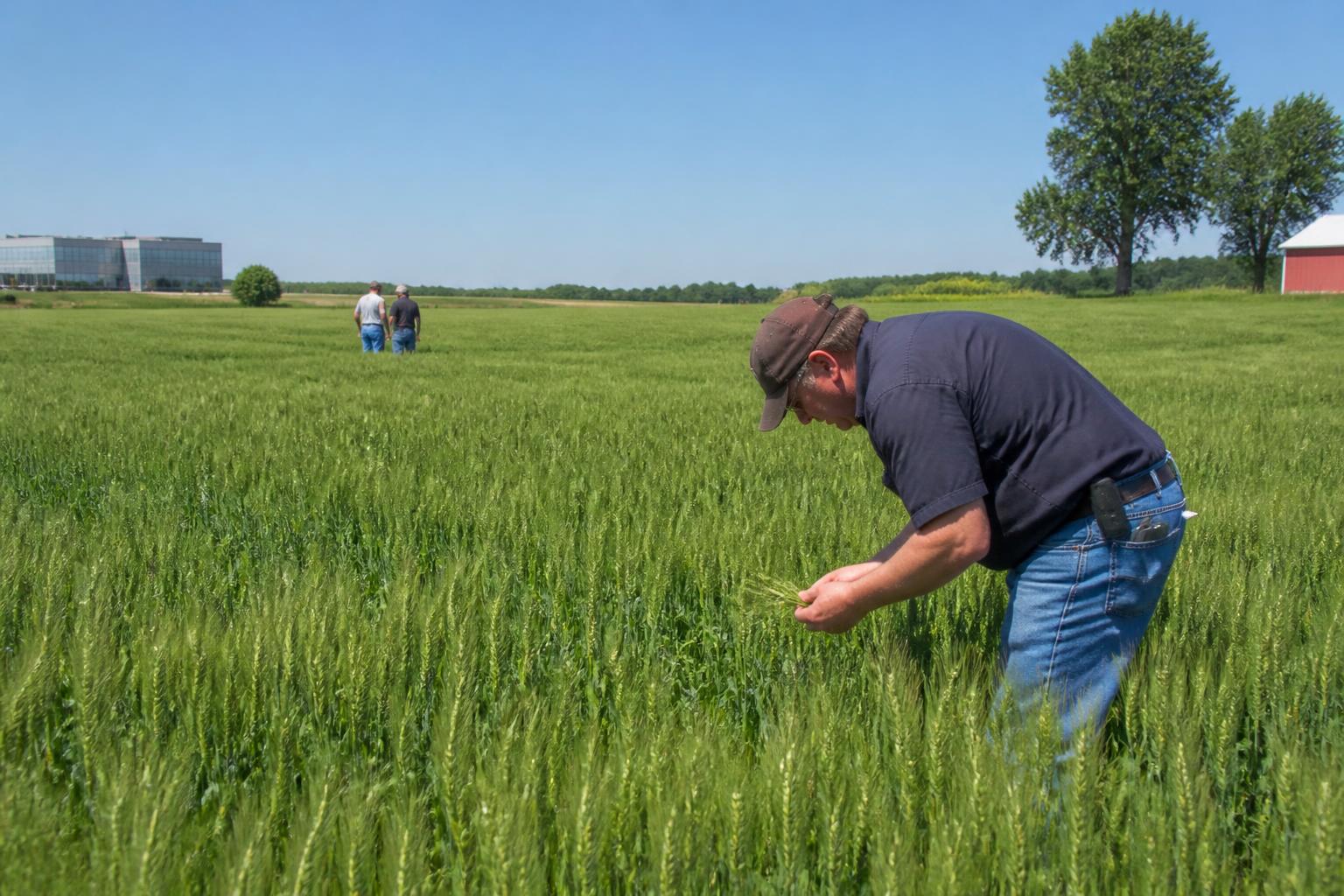
Delaware Summer Field Strategy: Balancing Input Pressures and Crop Security
As Delaware farmers manage mid-summer crop protection and navigate evolving input markets, local logistics and pest surveillance remain critical for seasonal success.
We collect original digests and analytical notes based on facts, market signals and verified sources.
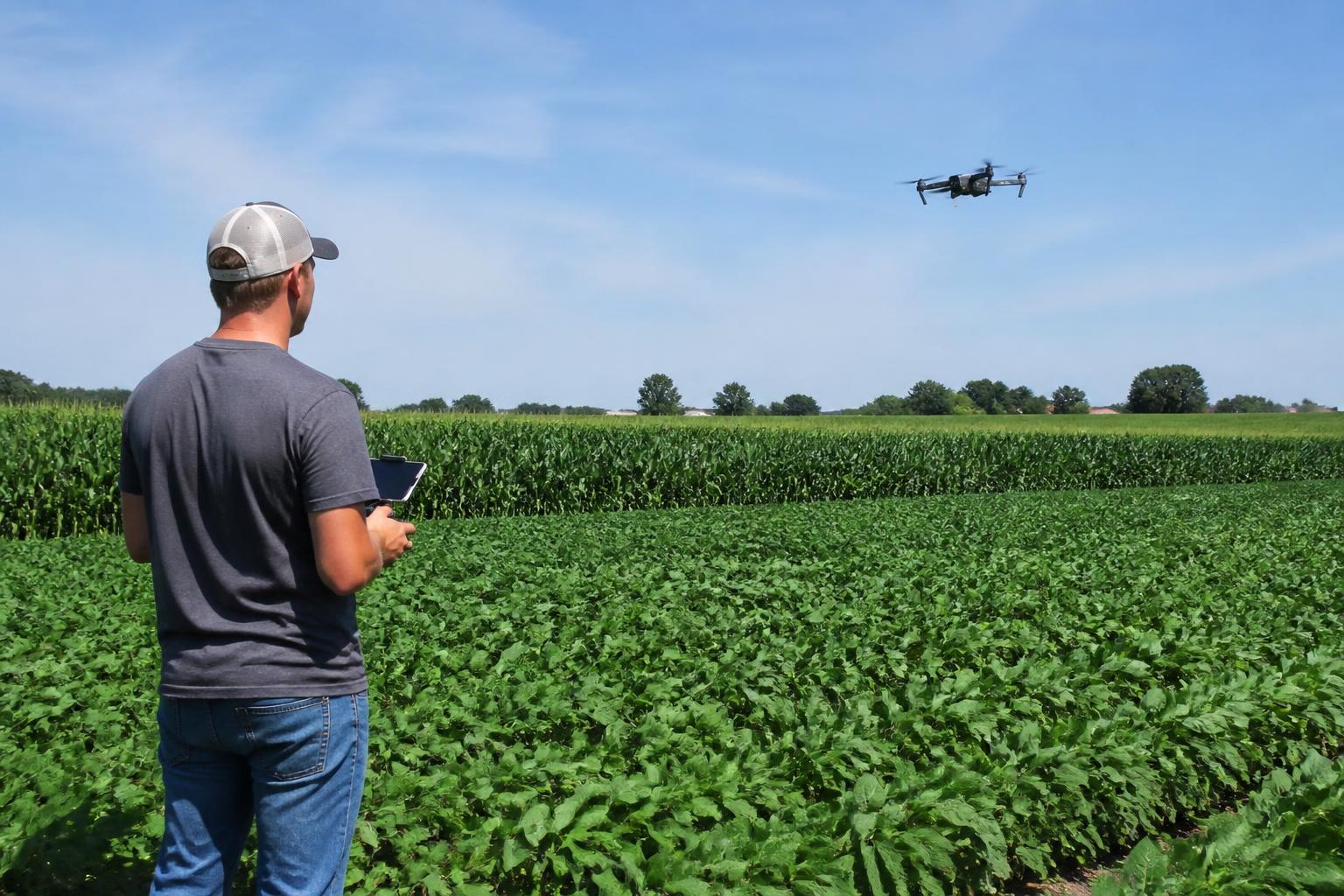
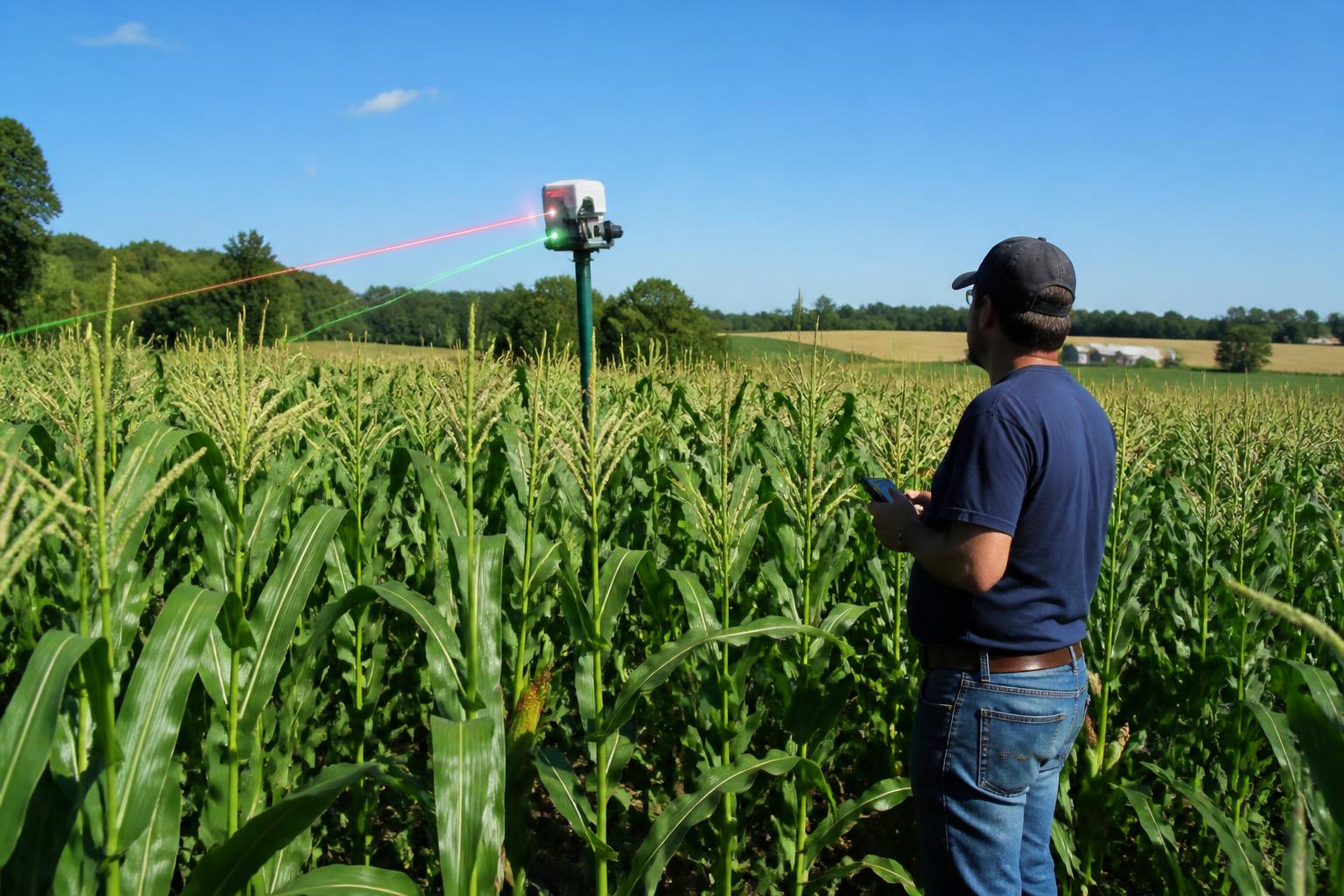
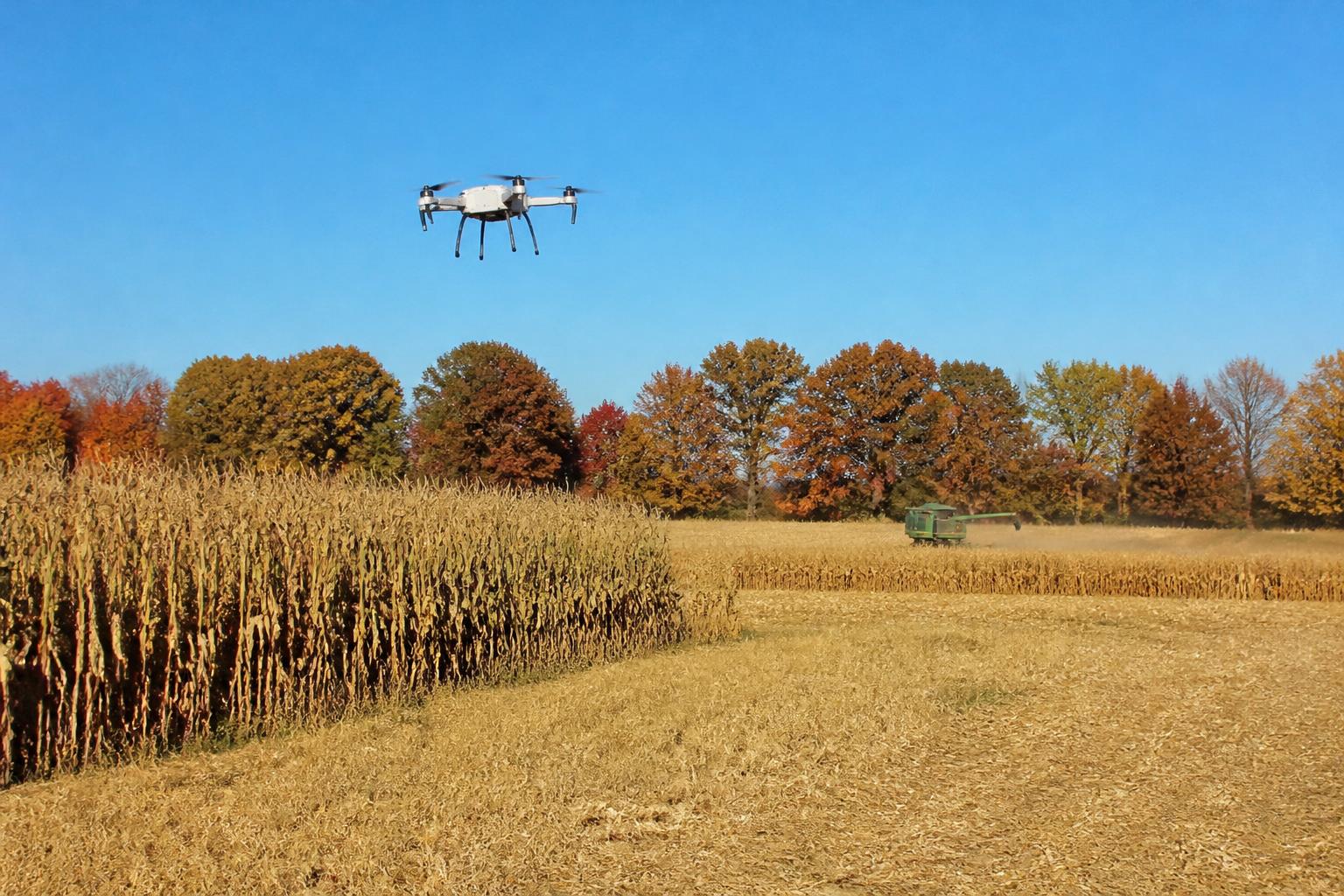
As Massachusetts growers navigate a changing regulatory environment and climate challenges, new investments in drone technology and evolving pesticide policies are reshaping local crop protection strategies.
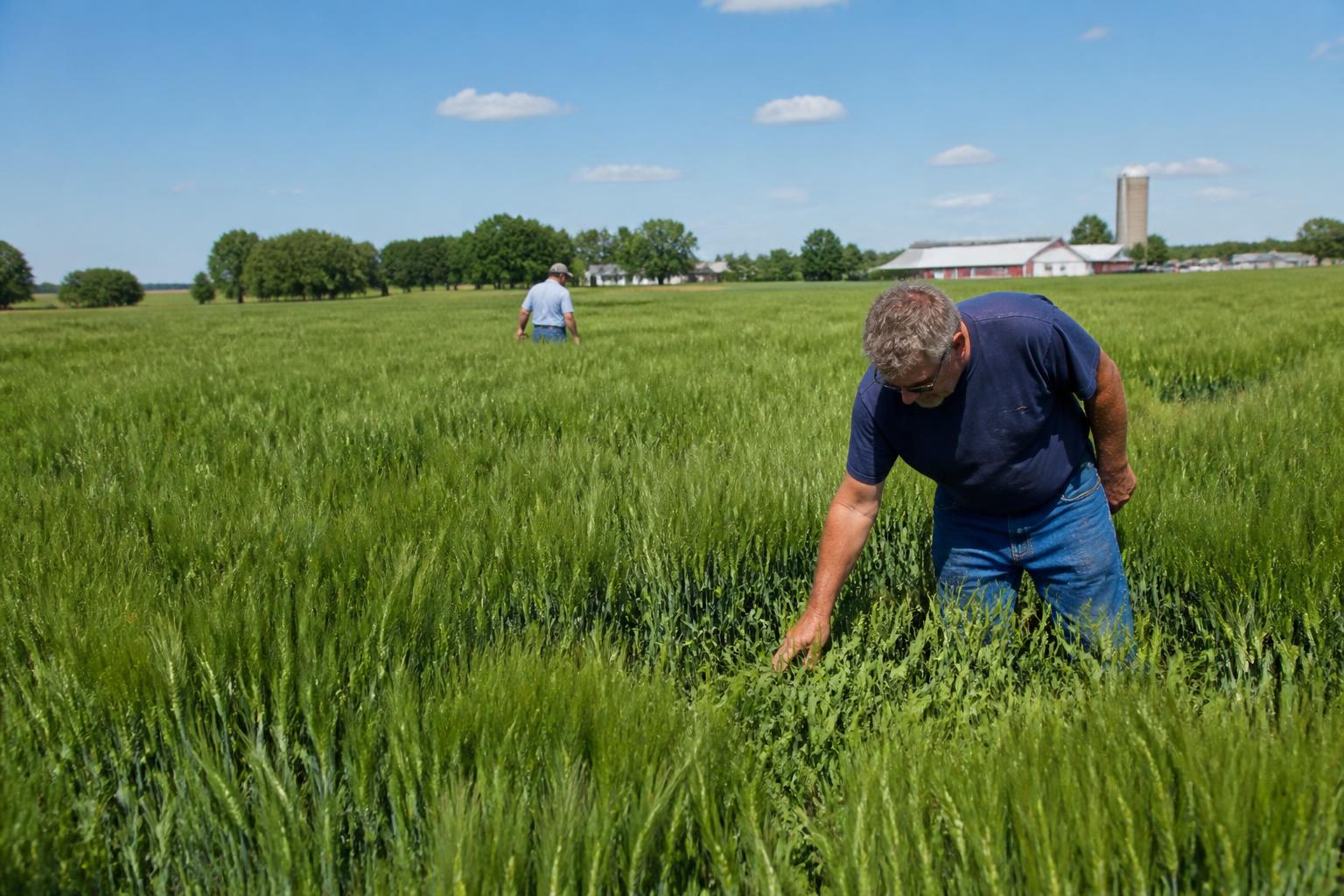
As Delaware farmers manage mid-summer crop protection and navigate evolving input markets, local logistics and pest surveillance remain critical for seasonal success.
As Alabama producers navigate a challenging mid-summer season, maintaining crop integrity requires balancing field-level protection strategies with heightened vigilance regarding local financial security.
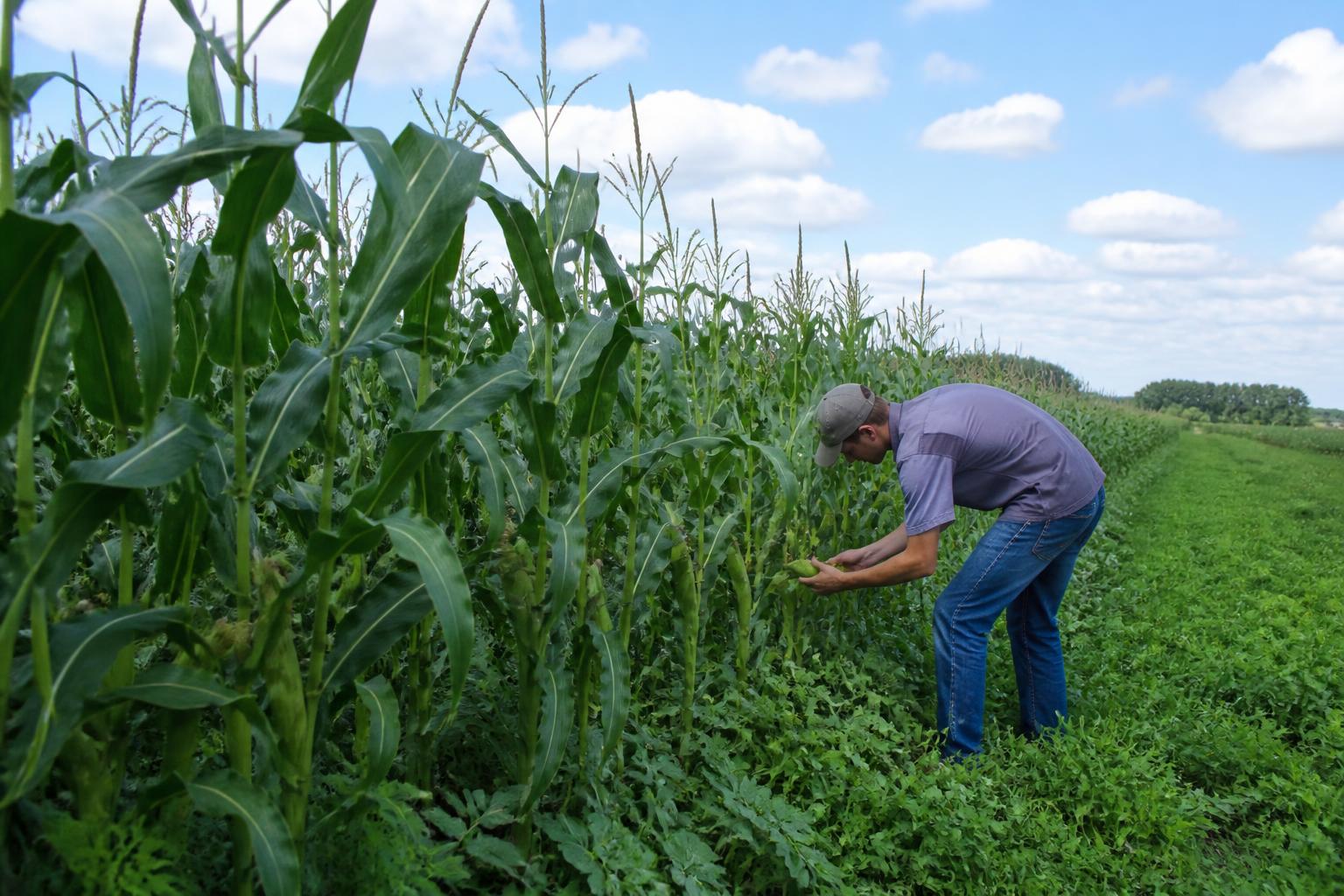
As South Dakota moves through the peak summer season, producers are managing mid-season pest pressures and evaluating long-term trends in input sustainability and supply chain stability.
As Illinois farmers face emerging crop threats like Red Crown Rot and ongoing input cost concerns, many are turning to technological innovation and long-term planning to protect their margins.
As Tennessee fields advance through the mid-summer growth stage, producers are shifting focus toward vigilant pest management and optimizing logistics amidst shifting federal trade and policy landscapes.
As Delaware fields reach peak summer growth, producers are balancing increased surveillance for invasive pests with ongoing biosecurity measures to protect local yields.
As summer heat intensifies across Rhode Island, local producers are turning to innovative tools to manage crop protection and safeguard yields from increasing pest activity.
As Minnesota farmers navigate the peak of the summer growing season, managing input efficacy amid variable field conditions remains a top priority for protecting yield potential.
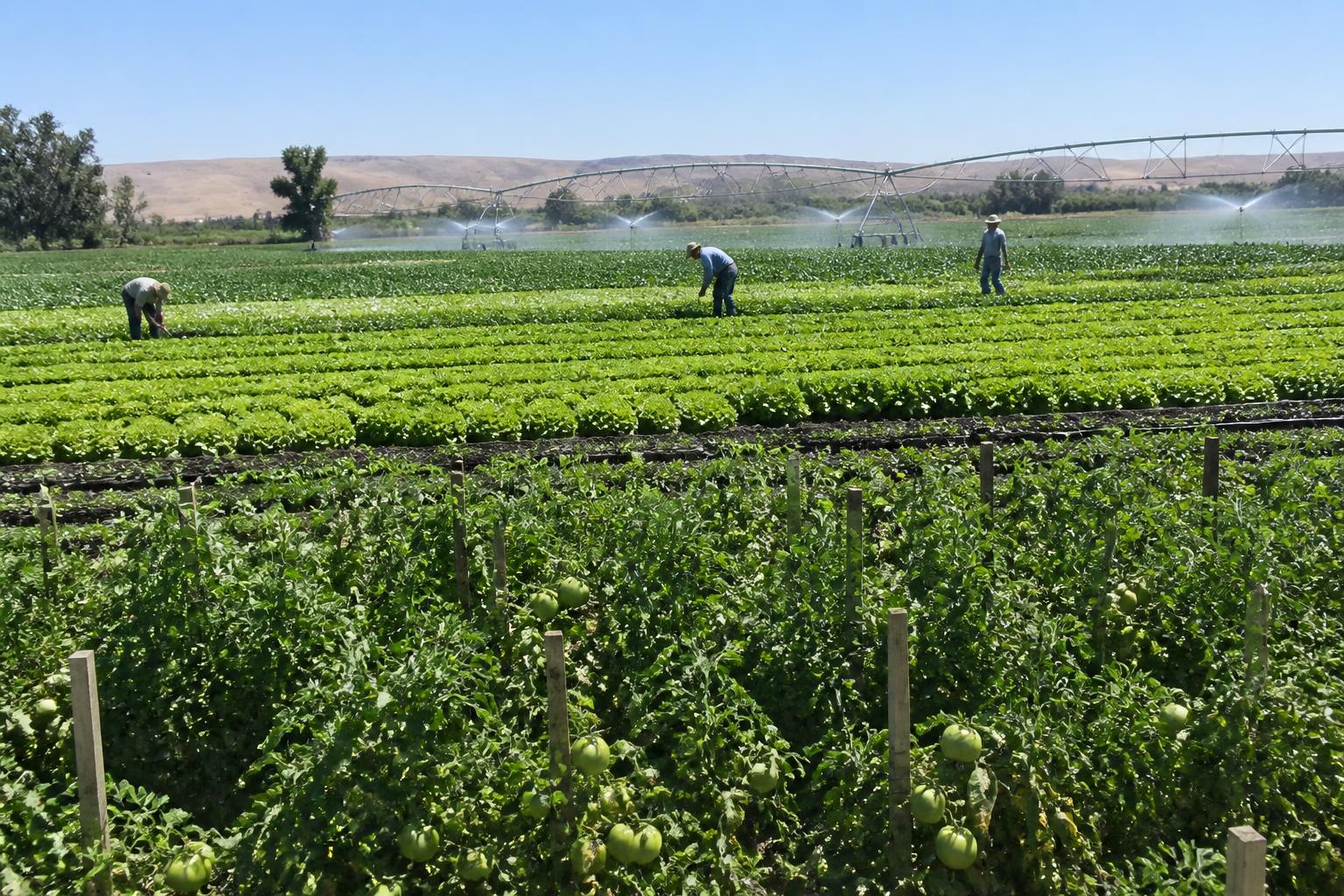
As California’s agricultural sector faces mounting labor challenges and evolving regulatory hurdles, farmers are pivoting toward integrated crop protection strategies to maintain productivity this summer.
As summer field operations intensify across Nebraska, growers are balancing the need for advanced weed and pest control with the growing risks of herbicide drift and resistant populations.
As summer operations intensify, Oklahoma producers are balancing fluctuating input costs with ongoing updates to crop protection registrations and broader farm policy discussions.
As Alaska's agricultural production hits its mid-summer peak, producers are focusing on cost-effective weed management and input strategies to maintain profitability.
Sign in to manage requests, save contacts and respond to market offers quickly.
Continue with Google Continue with MicrosoftSign in to manage requests, save contacts and respond to market offers quickly.
Continue with Google Continue with MicrosoftEnter your email and we will send a password reset link.
Don't have an account?
We value your privacy
We use cookies to run the site and, with your consent, to measure traffic (Google Analytics) and personalize ads. You can accept, reject, or choose. Privacy Policy