
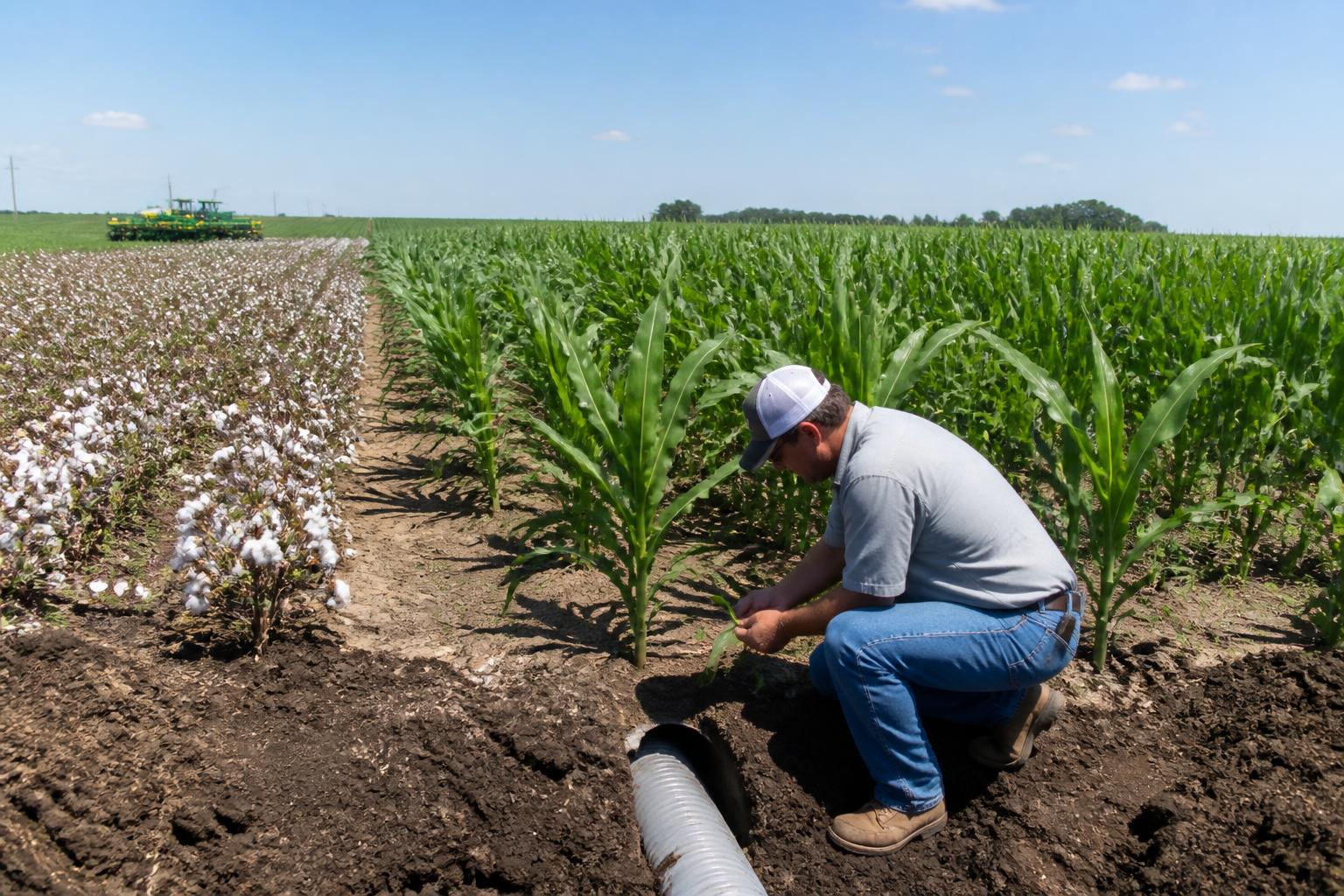
Mid-summer in Tennessee brings a critical window for crop management. While fields across the state are showing promising development following early-season challenges, the current focus for many producers has shifted to proactive field maintenance and logistics. Managing input costs remains a priority, and growers are increasingly looking toward site-specific tools to ensure that field operations remain both effective and efficient.
Refining Pest Control Strategies
As crops progress, the pressure from invasive pests can intensify rapidly. Agricultural professionals are encouraged to leverage regional data tools, such as the EPA's Bulletin Live!, to ensure that pesticide applications align with current stewardship guidelines. Precision in these applications is vital, not only for crop protection but for maintaining the long-term viability of chemical interventions against evolving pest threats. For those managing invasive pest pressure in Middle Tennessee, the integration of real-time monitoring and documented application practices has become a standard approach to mitigating mid-season yield risks.
Navigating the Evolving Policy Landscape
Tennessee agribusinesses and landowners are also observing broader shifts in federal policy that could influence market stability. Recent updates regarding trade dynamics and the regulation of farmland ownership reflect an environment where producers must stay agile. With officials continuously assessing tariff impacts and land-use policies, local operations are encouraged to maintain robust records and stay informed on how these federal adjustments might filter down to regional input availability and commodity demand.
Operational Resilience in a Volatile Season
Beyond the field, the state’s agricultural sector continues to grapple with the economic impact of weather-related events. With recurring losses tied to environmental stressors, the emphasis on soil health and infrastructure—such as the adoption of tile drainage systems—continues to gain traction as a way to buffer against unpredictable rainfall. By prioritizing resilient infrastructure, Tennessee farmers are working to stabilize their operational output despite the inherent variability of the regional climate.
What it means for the market
For grain handlers and input suppliers, the current season underscores the necessity of high-precision planning. As growers look to protect their margins, demand for targeted crop protection products and reliable logistical services will likely remain elevated. Businesses that can offer integrated, data-driven support—from pest monitoring to efficient supply chain management—are positioned to provide the most value during this high-stakes period of the growing cycle.
Comments
No comments yet - be the first to share your take.