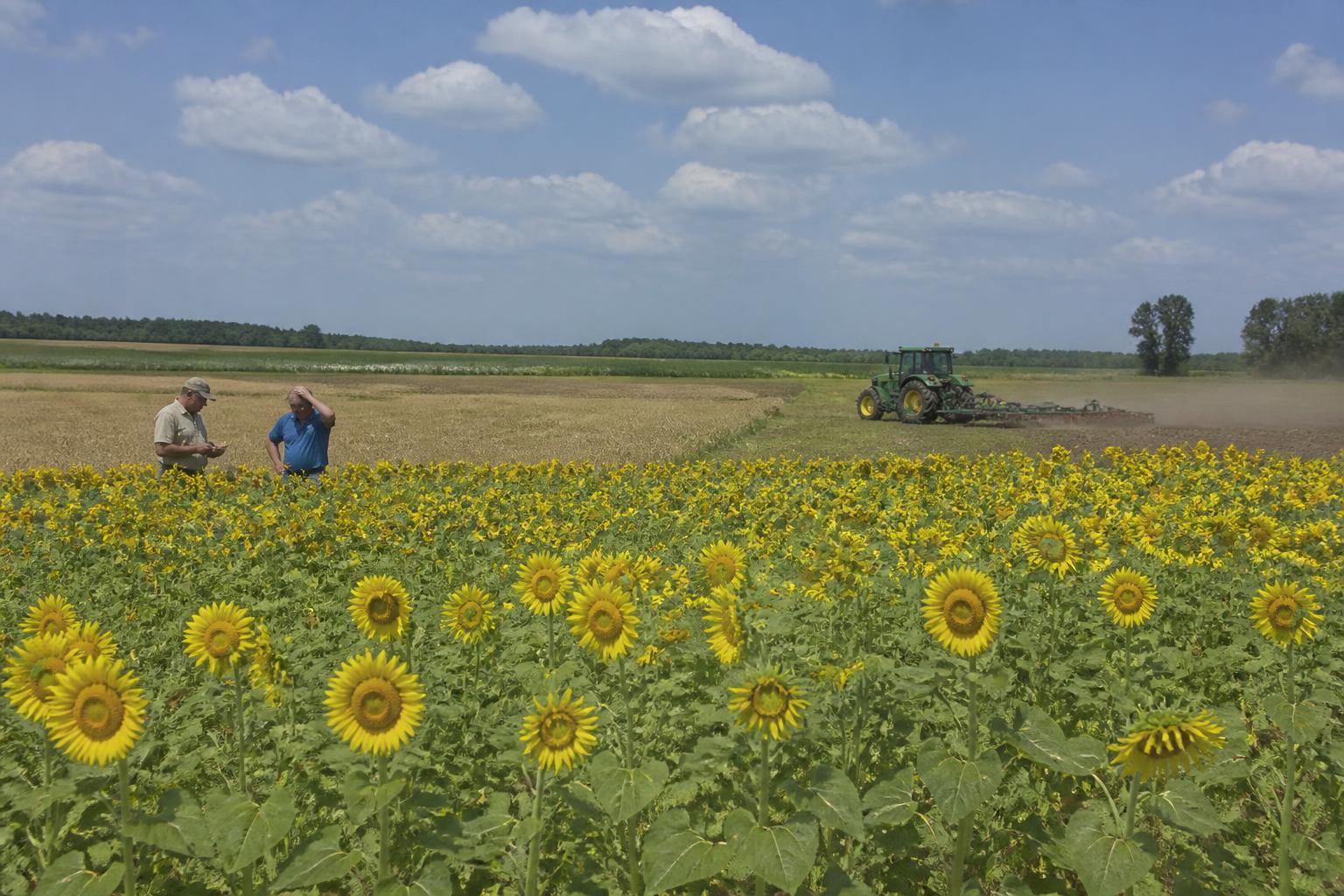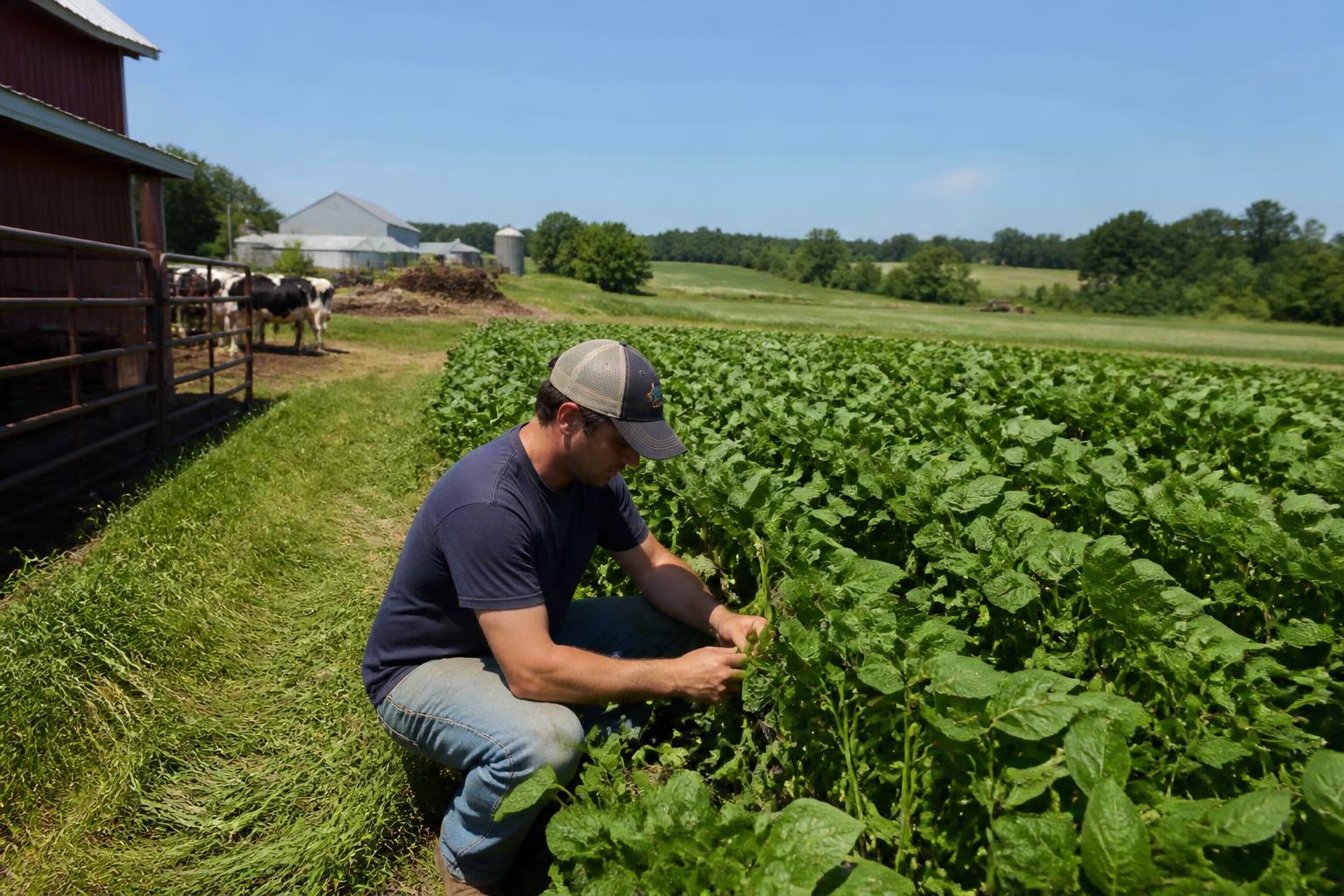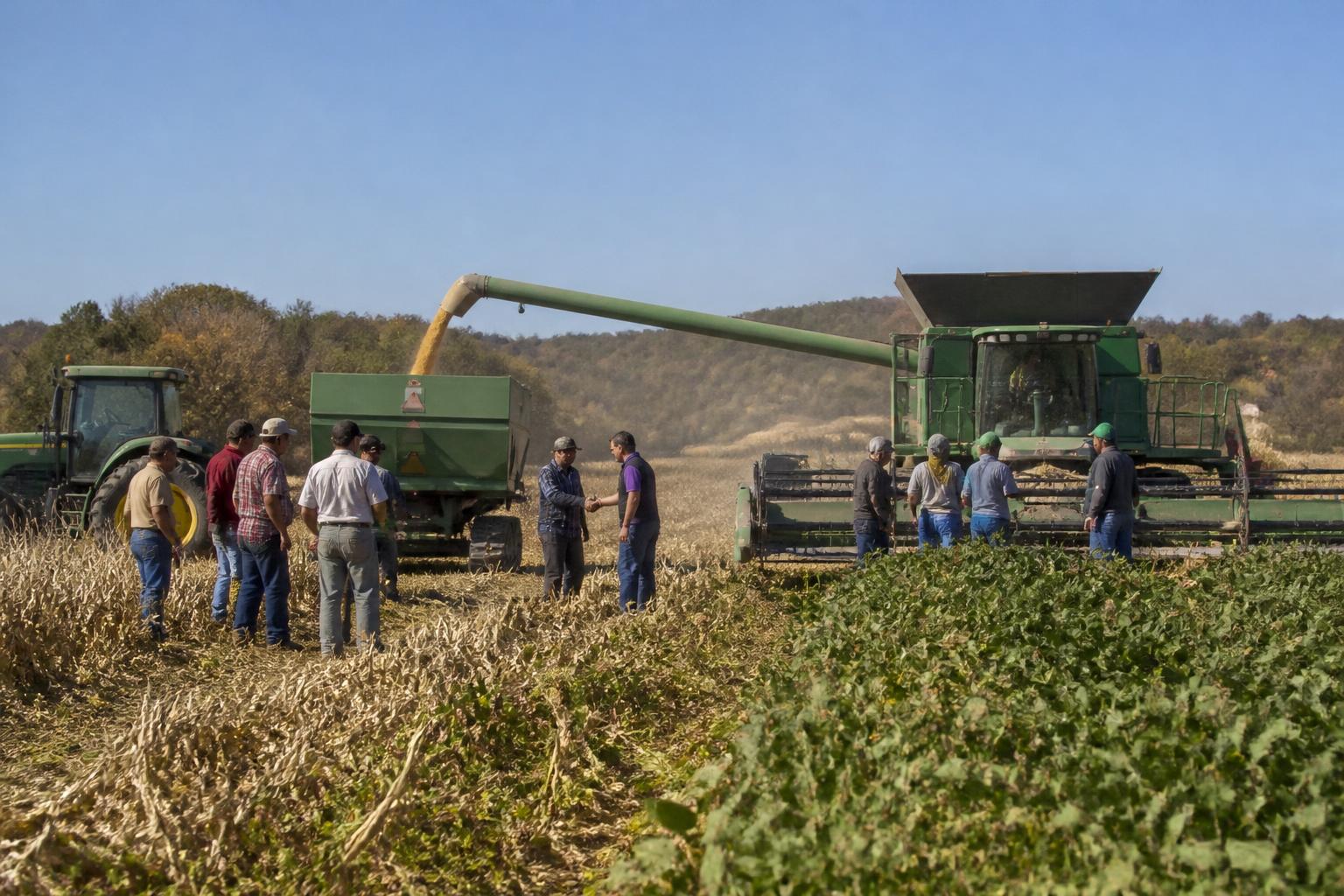
Utah Producers Navigate Market Headwinds and Unseasonal Weather Impacts
Utah farmers face a challenging late-summer period marked by unseasonal weather losses and broader global economic volatility affecting crop inputs.
We collect original digests and analytical notes based on facts, market signals and verified sources.
As Texas producers wrap up fall field activities, market attention shifts toward input cost management and the ongoing evaluation of crop performance in drought-prone regions.
Utah farmers face a challenging late-summer period marked by unseasonal weather losses and broader global economic volatility affecting crop inputs.
Indiana farmers are balancing recovery from severe weather events with long-term financial and logistical pressures as the state remains a hub for agbioscience innovation.
As Georgia producers move through the final stages of the summer growing season, record-breaking yield potential and active export corridors at coastal ports are shaping the regional market outlook.
As Wyoming producers head through the summer, rising operational costs and lingering environmental concerns remain the primary hurdles for the local grain sector.
North Dakota growers are adjusting planting strategies for the coming season while managing ongoing input cost pressures and local logistical developments.
As Connecticut growers move through the peak of summer, attention shifts toward advanced crop protection tools and managing wildlife pressures.
Colorado grain producers are assessing market impacts from global supply chain concerns while maintaining focus on local harvest logistics and operational planning.
As wheat markets show signs of resilience, Connecticut producers are balancing fluctuating grain prices against persistent concerns regarding global fertilizer cost volatility.
As the summer season progresses, Wyoming producers are keeping a close watch on federal policy developments and shifting regional market dynamics.
Taiwan's recent letters of intent to purchase Indiana corn and soybeans offer a potential boost for local farmers as they shift focus toward profit-focused management strategies.
As North Dakota fields move through the peak of summer, producers are balancing heat-related crop concerns with evolving logistics and strategic resource management.
As Connecticut growers navigate the mid-summer season, recent shifts in commodity pricing and ongoing resource allocation remain critical for local agribusiness.
Sign in to manage requests, save contacts and respond to market offers quickly.
Continue with Google Continue with MicrosoftSign in to manage requests, save contacts and respond to market offers quickly.
Continue with Google Continue with MicrosoftEnter your email and we will send a password reset link.
Don't have an account?
We value your privacy
We use cookies to run the site and, with your consent, to measure traffic (Google Analytics) and personalize ads. You can accept, reject, or choose. Privacy Policy