
Mid-summer in Connecticut brings a unique set of management challenges for the state's agricultural sector. While grain markets have experienced recent fluctuations with corn and soybean prices showing reactive trends, producers across the state are increasingly focused on operational efficiency and safeguarding their yields against late-season risks.
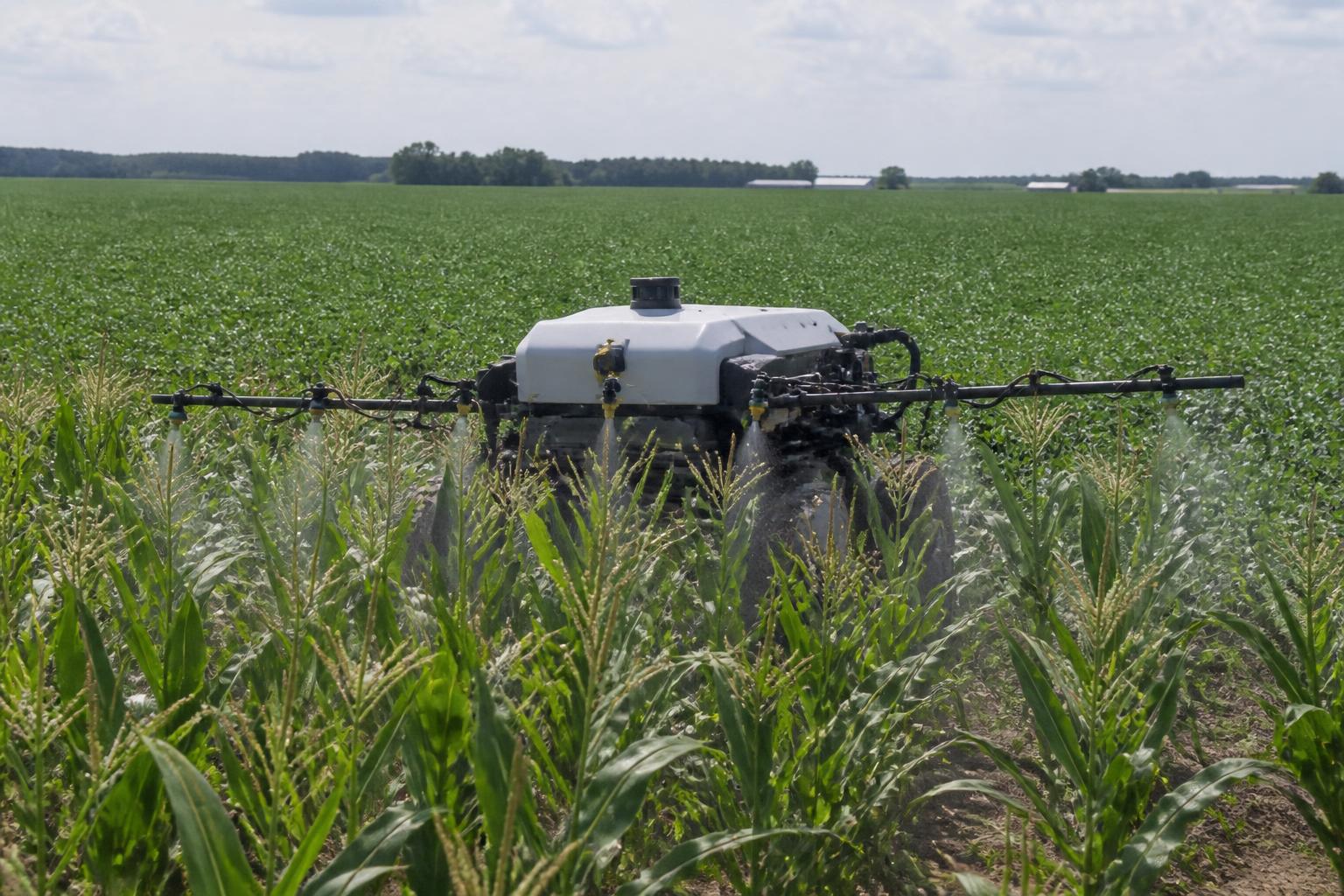
Technical advancements are providing new avenues for managing field health. Research and development in the state, such as the introduction of precision spraying robotics, offer a glimpse into how growers may soon manage input applications with greater accuracy, potentially reducing waste and improving overall crop protection outcomes. As we navigate the remainder of the growing season, integrating these tools with traditional scouting remains a priority.
Wildlife and Field Security
Beyond crop input management, Connecticut producers are reminded to stay vigilant regarding wildlife activity. As the season progresses, local wildlife, including bears, become more active in their preparations for colder months. For many, this translates to increased pressure on perimeter security and the necessity for consistent monitoring of high-value acreage to prevent losses during this critical late-summer window.
Advancing Precision in the Field
For those managing input costs and efficacy, staying abreast of the latest research remains vital. Managing input costs and grain sentiment is a common refrain as farmers evaluate their ROI moving into the latter half of the year. Additionally, seasonal operational shifts continue to dictate how resources are deployed, from field maintenance to the early preparations for fall harvest logistics.
What it means for the market
While global commodity prices see daily volatility, the local Connecticut market remains tied to practical, on-farm decision making. By leveraging new technology for precision spraying and maintaining strict vigilance against field damage, producers can better protect their margins. Success this season will likely hinge on the ability to balance these technological upgrades with proactive land stewardship as we head toward the harvest season.
Comments
No comments yet - be the first to share your take.