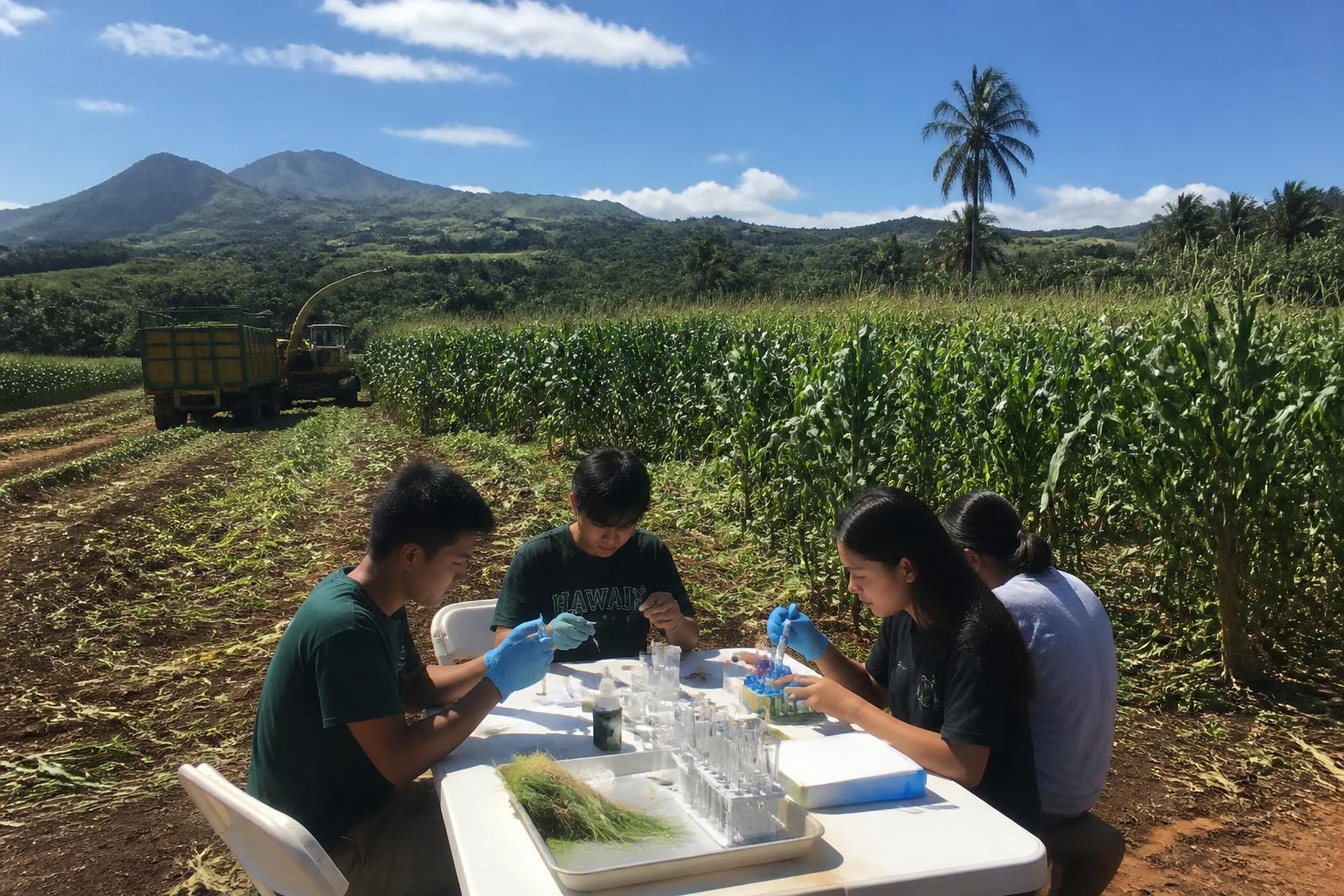
Biosecurity and Innovation Shaping Hawaii's Summer Agricultural Outlook
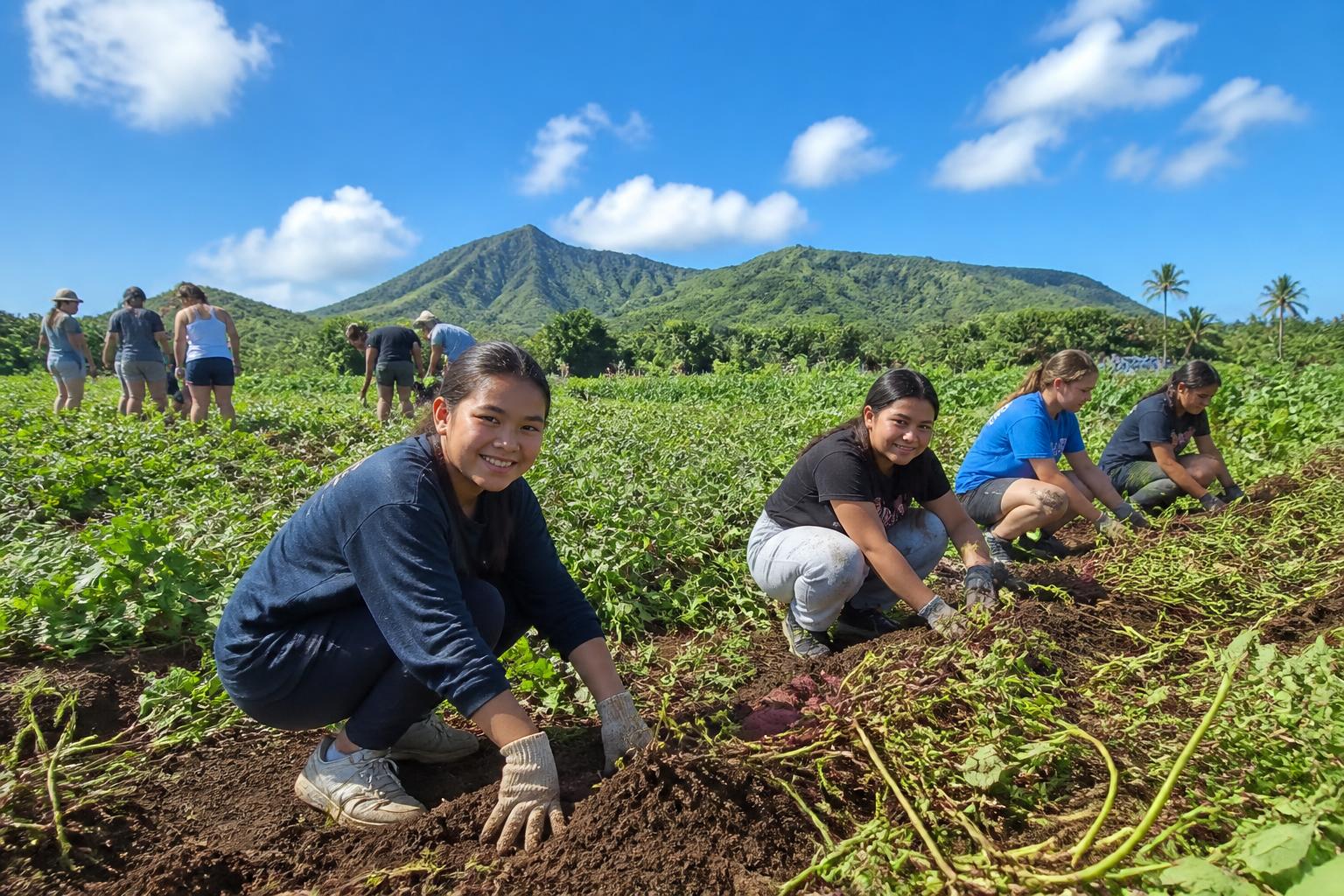
Hawaii producers are balancing increased biosecurity efforts against invasive species with new academic advancements in crop genetics to support local food production.
We collect original digests and analytical notes based on facts, market signals and verified sources.
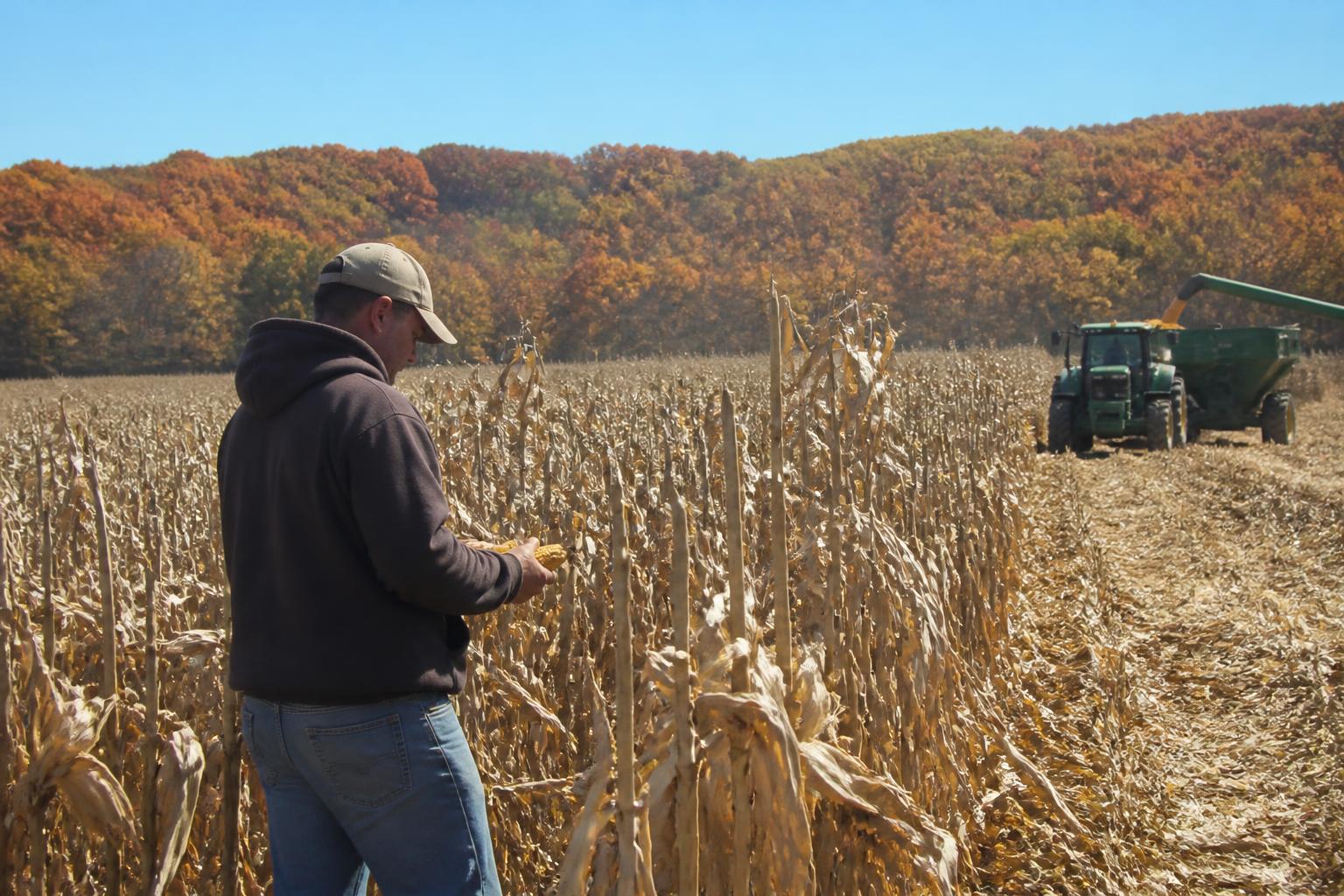
As Ohio producers progress through the fall harvest, varying moisture levels and weather-related field concerns are shaping operational decisions and future input strategies.
Hawaii producers are balancing increased biosecurity efforts against invasive species with new academic advancements in crop genetics to support local food production.
As Wisconsin moves through the peak of summer, producers and agribusinesses are balancing ongoing field management with long-term logistics and market preparations.
Hawaii producers are facing intensified pressure from elevated input costs and logistics challenges, necessitating a focus on local resilience and innovative crop management.
Minnesota producers are balancing high input management strategies with evolving water quality standards as the mid-summer season reaches peak crop development.
As summer field operations peak in Indiana, farmers and grain handlers are balancing new regulatory frameworks with the logistical challenges of shifting crop conditions.
As summer field operations continue, Connecticut producers face sustained pressure from rising fertilizer costs while monitoring recent shifts in national grain market pricing.
Florida agricultural producers continue to navigate a complex landscape of logistics costs and extreme weather risks, with regional stability remaining a top priority for growers.
As New Jersey fields progress through the peak summer heat, growers are balancing late-season crop maintenance with the logistical demands of an expanding agritourism season.
As South Dakota producers navigate the height of summer, managing logistics for harvest preparedness and monitoring late-season crop risks remain top priorities for the state's agribusinesses.
As mid-summer fieldwork continues, Rhode Island producers are balancing evolving land-use pressures with global fertilizer market volatility that impacts long-term input planning.
Missouri producers are balancing high operational costs and emerging pest threats as they navigate the remainder of the summer growing season.
As North Carolina producers enter the peak of the summer season, navigating logistics and agronomic hurdles remains critical for grain market stability.
Sign in to manage requests, save contacts and respond to market offers quickly.
Continue with Google Continue with MicrosoftSign in to manage requests, save contacts and respond to market offers quickly.
Continue with Google Continue with MicrosoftEnter your email and we will send a password reset link.
Don't have an account?
We value your privacy
We use cookies to run the site and, with your consent, to measure traffic (Google Analytics) and personalize ads. You can accept, reject, or choose. Privacy Policy