
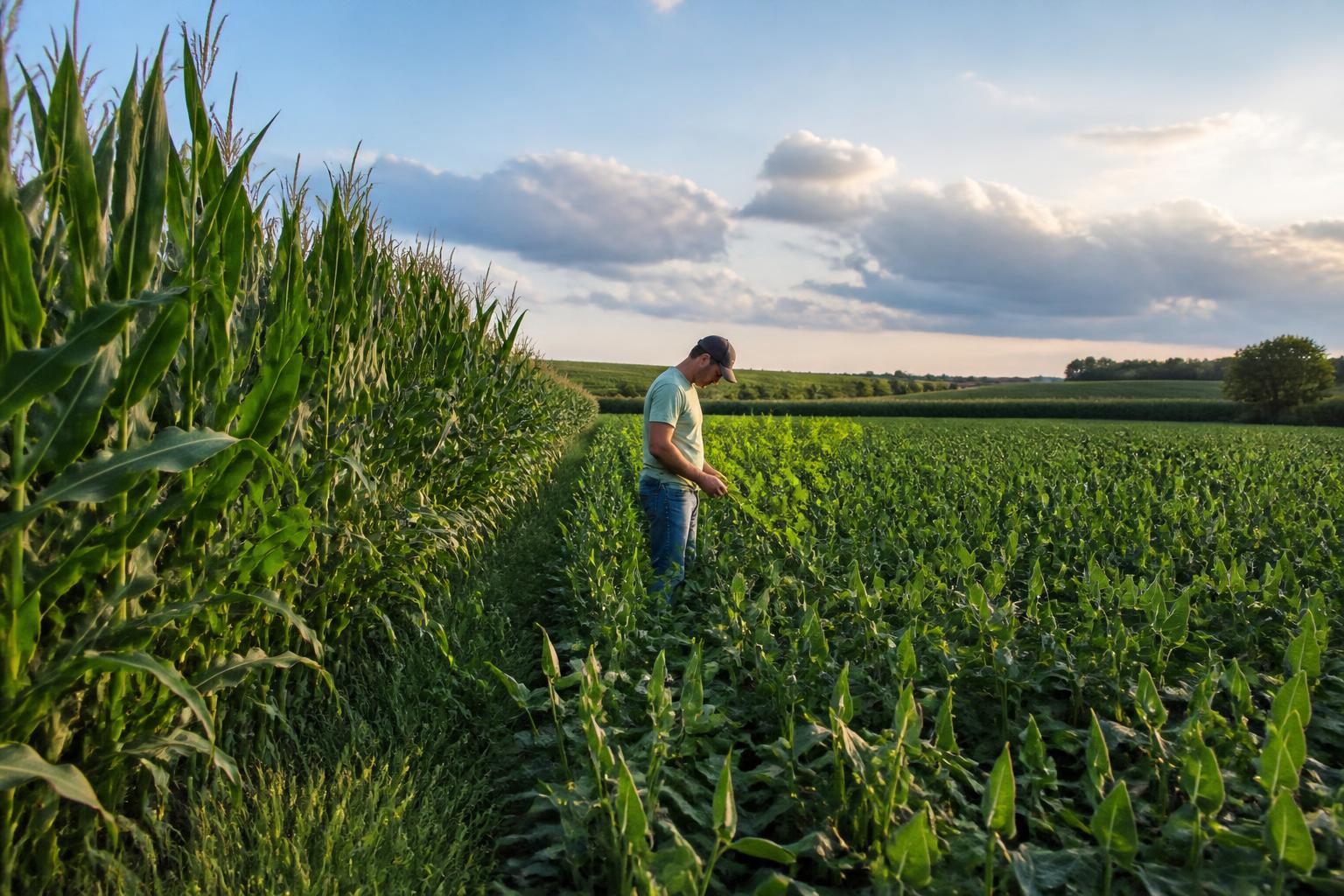
Mid-summer in North Dakota brings a familiar mix of field maintenance and forward-looking risk assessment. As crops progress across the state, producers remain focused on both immediate protective measures and the long-term viability of their operations. Recent policy discussions at the federal level have underscored the importance of robust safety nets, particularly as farmers contend with the lingering effects of weather-related losses that often dictate the success of the growing season.
Refining Risk Management and Protection
For many across the Northern Plains, effective crop protection strategies are only part of the equation. With the agriculture landscape facing shifting conditions, the focus has increasingly turned toward the reliability of federal crop insurance programs. Recent developments regarding a policy reversal on insurance changes have been met with cautious optimism by farm groups, who view a predictable safety net as essential for maintaining financial security during periods of environmental uncertainty.
Beyond standard insurance, producers are also leveraging digital tools to navigate complex government programs. New online calculators developed by extension specialists are helping growers better understand their potential participation in Agriculture Risk Coverage (ARC) and Price Loss Coverage (PLC) programs. These resources allow for more data-driven decision-making when adjusting to local market conditions or planning for the upcoming harvest cycle.
Addressing External Pressures
The resilience of North Dakota's agribusiness sector is frequently tested by external factors, from volatile input prices to changing trade climates. Legislative advocacy remains a priority for many regional stakeholders who are pushing for continued support for those impacted by severe weather events. By aligning improved insurance protections with strategic on-farm management, producers are working to mitigate the risks that can often threaten the profitability of the grain and oilseed sectors.
What it means for the market
For grain handlers and local agribusinesses, the current climate points toward a greater emphasis on stability and data-backed planning. As producers utilize new resources to refine their coverage and protection strategies, grain elevators and input suppliers may see more informed demand cycles. Proactive communication between lenders, insurers, and farm operators will likely be key to navigating the remainder of the summer season effectively.
Comments
No comments yet - be the first to share your take.