
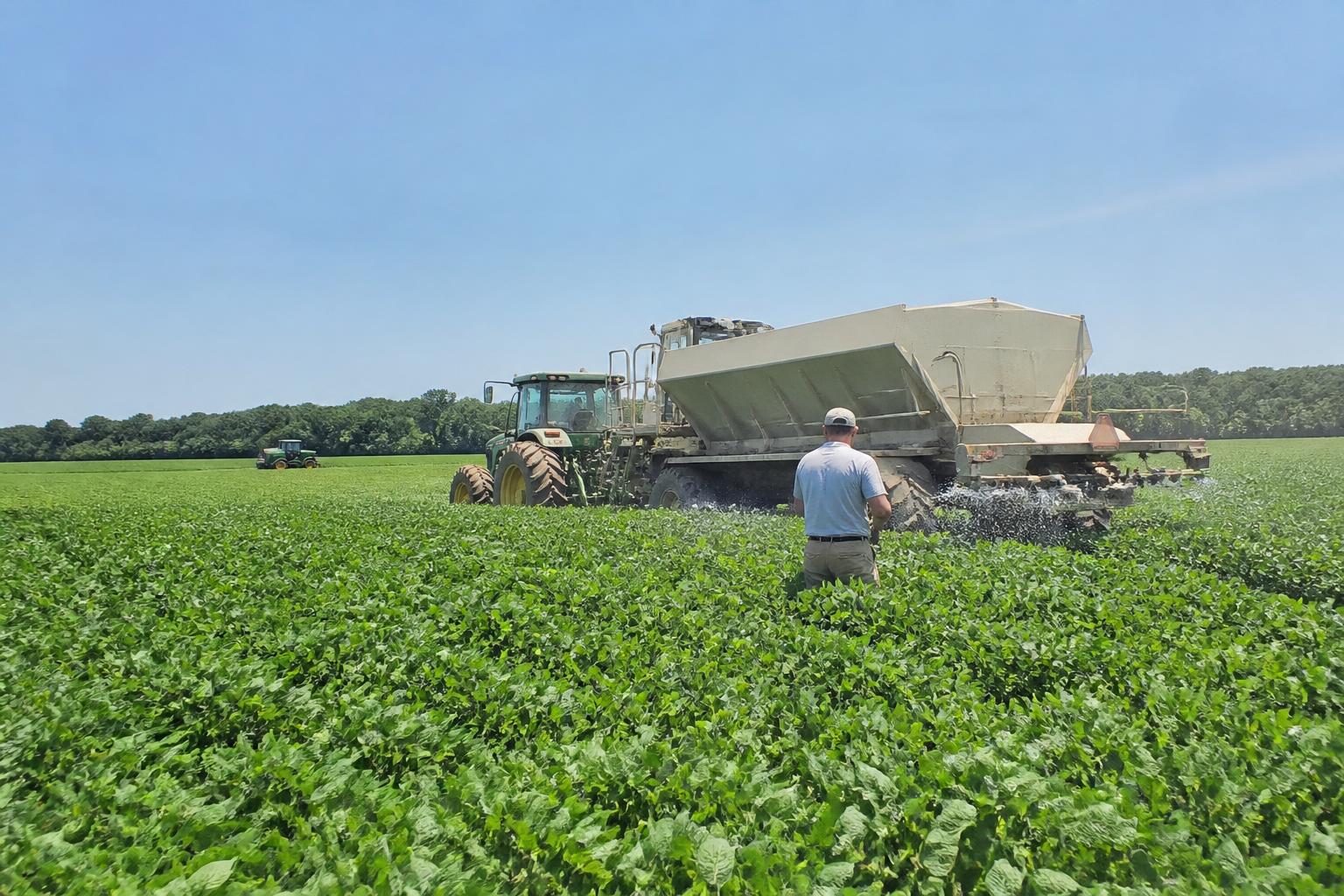
In the current Arkansas agricultural landscape, the pressure to maintain profitability amid fluctuating input costs has led many producers to re-evaluate their procurement strategies. Fertilizer market volatility remains a persistent concern for farmers across the state, from the fertile delta regions to the rolling fields in the north. As the summer season progresses, the focus is shifting toward long-term risk management to ensure that operating expenses remain manageable for the upcoming cycles.
For many Arkansas operations, early booking has emerged as a practical mechanism to mitigate price spikes. By locking in supply ahead of traditional demand peaks, growers can secure essential nutrients and protect their bottom lines against unexpected market shifts. This proactive approach to input procurement is often supplemented by close monitoring of yield potential and weather-related stress, allowing for more precise nutrient application and reduced waste.
Managing Risk in a Tight Market
The unpredictability of global fertilizer pricing continues to challenge agribusinesses and individual farmers alike. Beyond price fluctuations, the logistical complexities of moving products through the regional supply chain can further impact availability. Producers are increasingly relying on localized planning and early engagement with suppliers to hedge against these systemic risks.
Key Takeaways for Producers
- Early Procurement: Reviewing seasonal cash flows to facilitate early fertilizer booking can help insulate the farm from mid-season price volatility.
- Strategic Planning: Incorporating flexible inputs that allow for adaptive management depending on soil conditions and late-season weather patterns.
- Financial Resilience: Maintaining lean operating structures is critical as the industry faces shifting profit margins.
What it means for the market: As we move deeper into the summer, the ability to anticipate and manage input costs will be a primary driver of financial health for Arkansas farmers. Growers who prioritize supply security and risk hedging are positioning themselves to withstand broader economic pressures, ensuring that their operations remain competitive in the face of ongoing market instability.
Comments
No comments yet - be the first to share your take.