
Managing Mid-Season Field Pressures
As we move through the heat of the summer, South Dakota producers are focusing on the delicate balance of crop protection and water management. Maintaining plant health during these high-growth weeks requires vigilance against shifting pest populations and environmental stressors. For many across the state, the current window is prime for scouting fields and ensuring that chemical applications are timed correctly to maximize efficacy and minimize waste.
Effective management in navigating mid-season crop protection often involves staying ahead of localized climate variations that can influence the spread of disease or insect pressure. Whether you are operating in the eastern river valleys or the expansive plains of western South Dakota, prioritizing precise application techniques can help protect your bottom line against rising input costs.
The Growing Role of Irrigation and Infrastructure
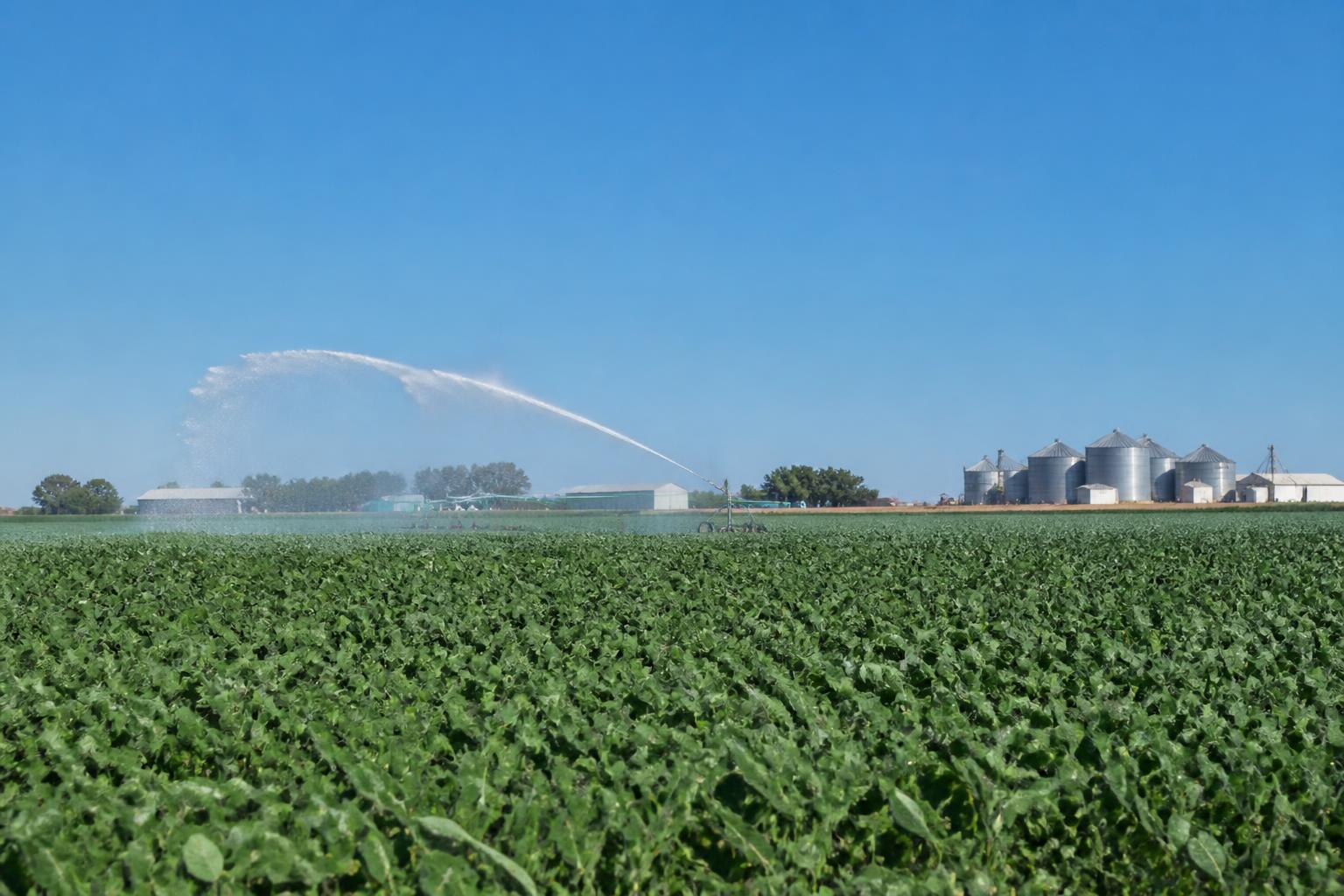
Long-term yield stability continues to be a central topic for regional agribusinesses. As climate patterns shift, the role of supplemental irrigation is increasingly being examined as a vital component of future cropping strategies. While regional water availability varies, investing in efficient infrastructure remains a priority for those looking to stabilize production against unpredictable weather cycles.
Furthermore, staying connected with extension resources can provide a competitive edge. Engaging with local research and educational opportunities helps producers adapt to evolving agronomic challenges, ensuring that management practices remain grounded in the latest regional data.
Key Takeaways
- Prioritize timely field scouting to address pest outbreaks before they impact yield potential.
- Evaluate irrigation efficiency to hedge against seasonal moisture deficits common in the Great Plains.
- Utilize university field days and educational resources to stay informed on local crop protection advancements.
What it means for the market
For growers and input suppliers, the current season emphasizes the value of proactive planning. By focusing on site-specific crop protection strategies and long-term water management, producers can better navigate the complexities of a challenging market environment. Staying informed through regional research hubs remains one of the most effective ways to mitigate risk and optimize operational efficiency as we look toward the harvest window.
Comments
No comments yet - be the first to share your take.