
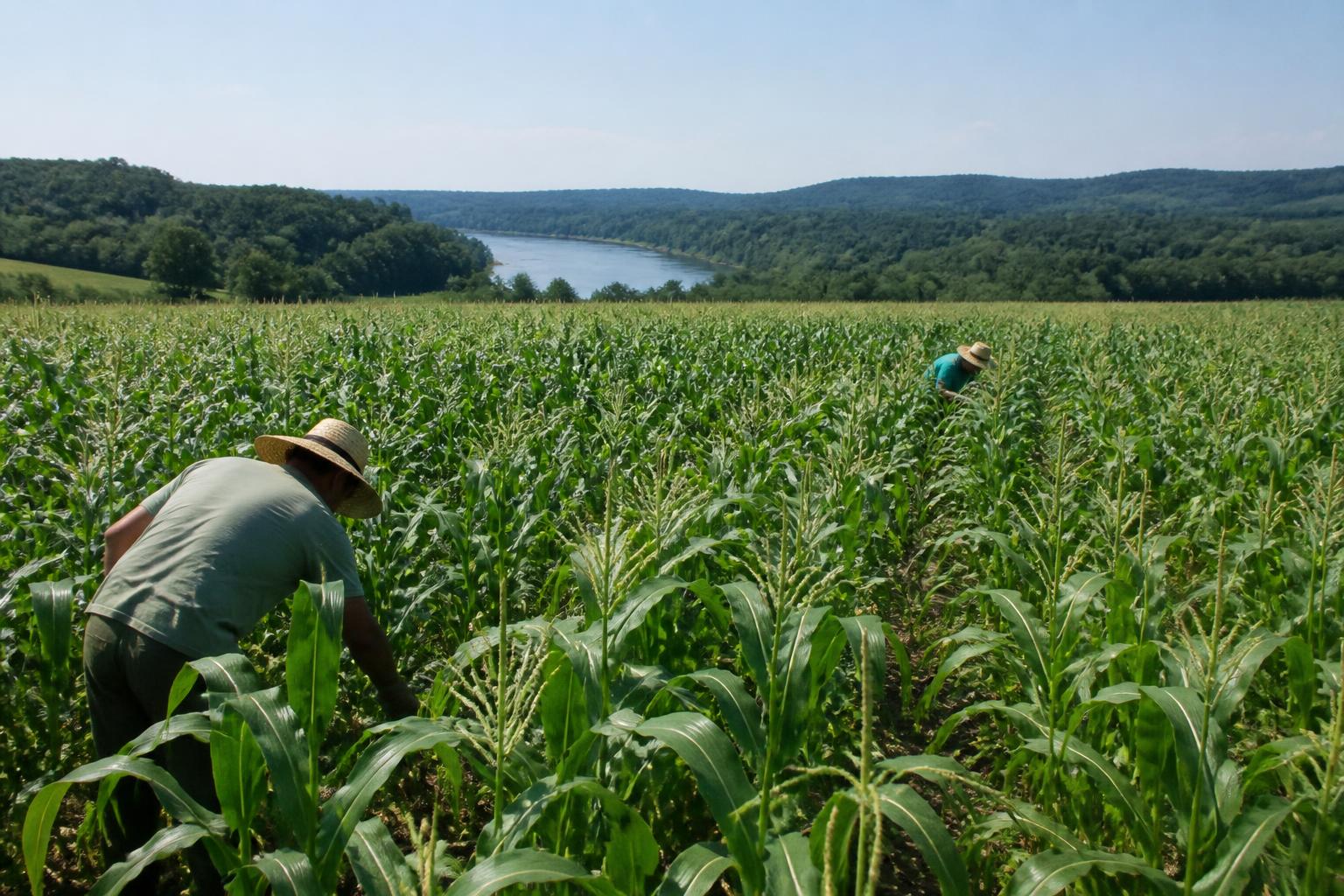
Managing Mid-Season Field Threats
As we move through the heart of the summer season, Connecticut producers are balancing the routine demands of crop maintenance with the persistent threat of invasive species. Reports of spotted lanternfly nymphs across the region highlight the ongoing need for vigilance. Effective crop protection strategies remain essential during these high-growth months, particularly for growers managing specialized orchards and high-value acreage where pest mitigation can directly impact harvest quality.
Legislative Support and Conservation Efforts
Beyond immediate field challenges, the broader regulatory environment is shifting to better support local operations. Recent legislative initiatives introduced by the Connecticut Congressional Delegation aim to improve the safety net for small farmers, recognizing the economic pressures that producers face in an unpredictable market. For those managing land near the Connecticut River watershed, new programs focused on environmental stewardship offer additional opportunities to bolster property resilience.
Market Stability and Resource Planning
Global supply chain factors and energy market fluctuations continue to influence the broader agricultural landscape, indirectly affecting input availability for local operations. Whether monitoring regional fertilizer volatility or managing the logistics of local grain yields, staying informed on mid-summer price movements is critical for effective planning. As always, keeping a close watch on agency announcements from the Department of Agriculture can help producers stay ahead of public comment periods and policy changes that may impact operational costs.
What it means for the market
The combination of localized pest management needs and evolving state-level support creates a dual-focused environment for Connecticut agribusinesses. Producers should prioritize integrated pest management to curb losses from invasive threats while exploring new federal and state-sponsored safety net programs. By aligning current operational strategies with these resources, farmers can better navigate the remainder of the summer season and prepare for a more stable transition into fall.
Comments
No comments yet - be the first to share your take.