
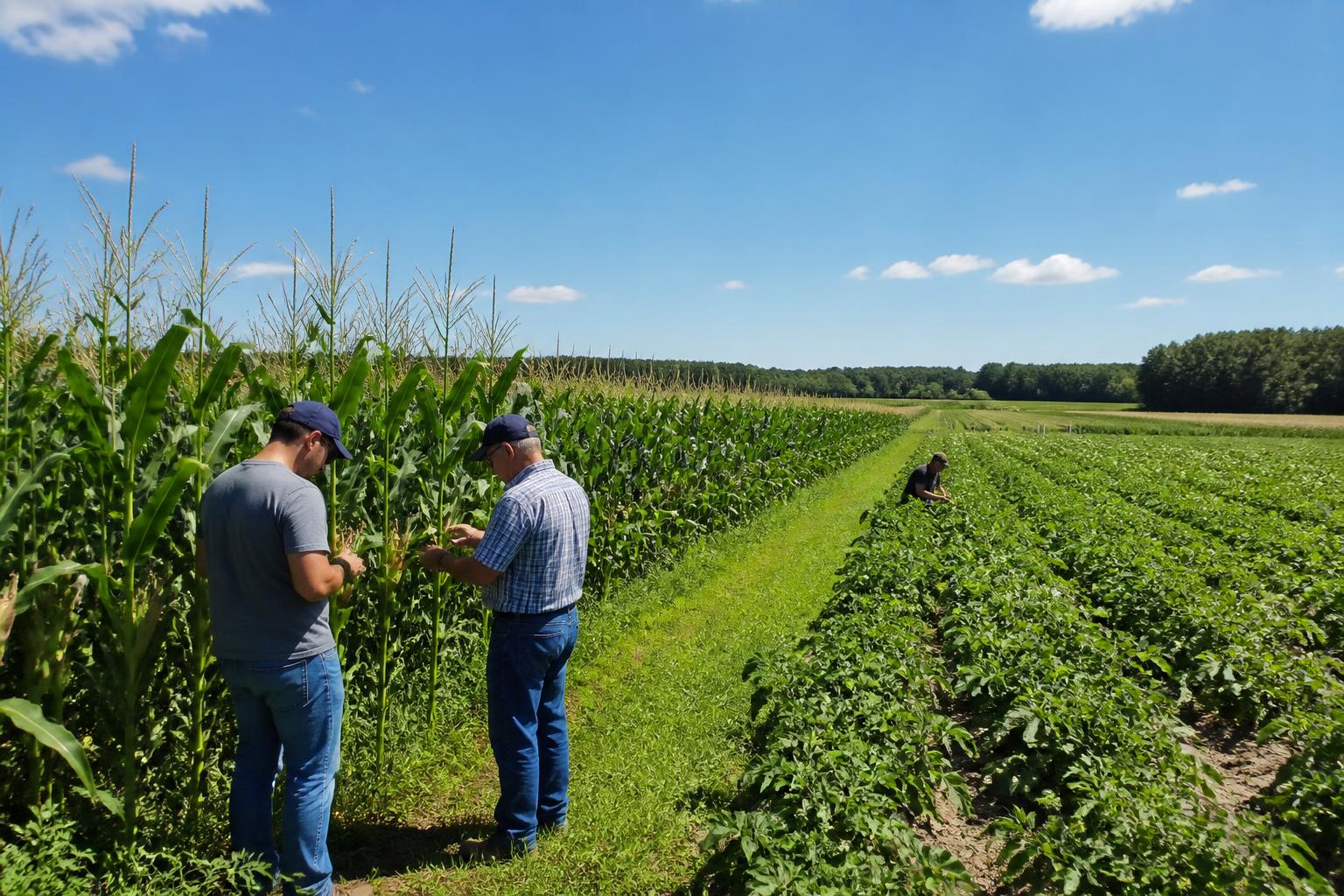
As the Michigan corn crop advances through its critical growth phases this summer, the agricultural focus across the state is increasingly shifting toward disease management. Persistent weather patterns often create favorable conditions for pathogens, making field scouting a priority for growers in major production regions.
Among the primary concerns this season is the presence of tar spot. As the crop reaches stages where canopy density is at its peak, the environmental conditions within the field can trap moisture and humidity, providing an ideal environment for this disease to establish. Producers are encouraged to evaluate their stand conditions and consult with agronomic advisors to determine if protective measures, such as late-season fungicide applications, are necessary to protect yield integrity against potential fungal spread.
Strategic Protection for High-Value Crops
While corn protection remains front of mind, the broader horticultural sector in Michigan is also seeing active shifts in disease management tools. Recent industry developments, including the introduction of specialized fungicides like Endura PRO, underscore the ongoing efforts to provide potato growers with tailored solutions to manage specific pathogen pressures. By utilizing targeted chemistries, producers can better manage the health of their crops while optimizing the efficacy of their overall protection programs.
These developments come alongside broader initiatives to boost the competitiveness of Michigan agribusinesses. With recent state-level investments aimed at enhancing local agricultural businesses and connecting producers to both domestic and international buyers, maintaining high crop quality through effective field protection protocols is essential for sustaining market access and meeting the demands of global supply chains.
What it means for the market
For Michigan growers and agronomists, the ability to mitigate disease impact through timely scouting and application is a direct contributor to harvest volume. As we head deeper into the summer, the ability to protect yield against persistent pathogens will not only influence the quality of the incoming harvest but will also play a role in the long-term viability of local production as farmers aim to meet both regional food needs and broader market requirements.
Comments
No comments yet - be the first to share your take.