
Market Headwinds and Profitability Concerns
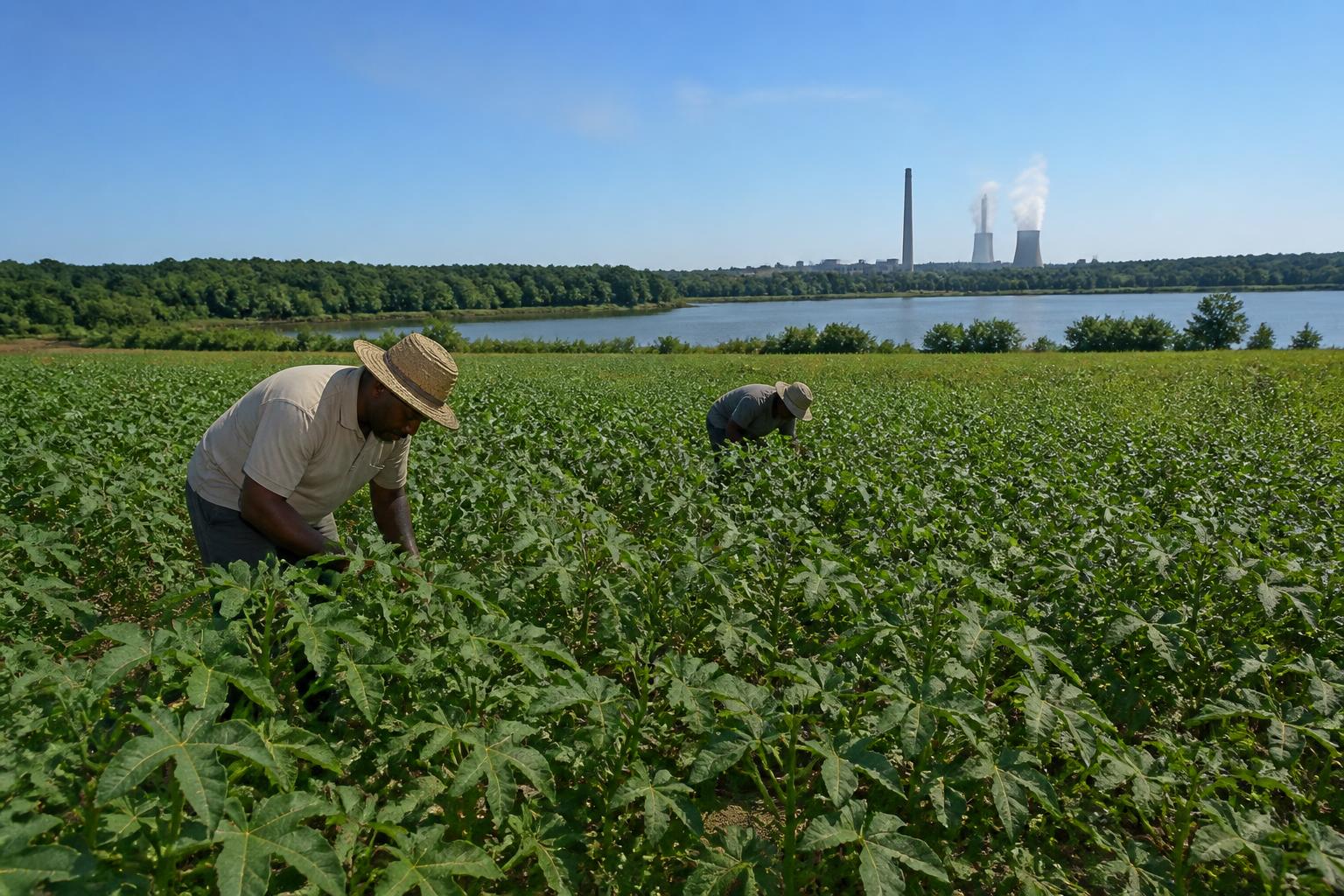
As the summer season progresses across Alabama, producers are increasingly scrutinizing their bottom lines. Broad concerns regarding crop profitability remain a central theme, as growers weigh the costs of inputs against fluctuating market returns. Whether operating in the fertile fields of the Tennessee Valley or the coastal plains of South Alabama, the pressure to optimize yields while managing rising operational expenses has led many to reassess their seasonal management strategies. For those looking to refine their approach to risk, understanding seasonal volatility in Alabama field updates is essential for making informed marketing decisions.
Pest Management Updates
Beyond financial variables, producers are actively monitoring their cotton stands for potential yield threats. Recent reports from agricultural experts have confirmed the presence of cotton jassids, adding another layer of complexity to the typical summer maintenance schedule. Effective crop management often requires early detection and a proactive response to these types of infestations to protect the integrity of the harvest. Growers are encouraged to stay updated on mid-season pest pressures to ensure that treatment applications are timed for maximum efficacy.
Logistics and Resource Stability
Local agricultural operations also depend on the stability of regional infrastructure and community-based support programs. When federal or local funding shifts, the impact often ripples through the local agribusiness ecosystem, from input suppliers to specialized non-profits that aid farmers in transitioning to more sustainable or efficient practices. While producers remain ready to address the demands of the current season, maintaining a close eye on both field conditions and broader policy developments remains a necessary part of the modern Alabama farming operation.
What it means for the market
The current market environment suggests a cautious approach to expenditure, with an emphasis on integrated pest management and financial risk mitigation. Farmers should focus on balancing necessary field interventions with a close review of their input costs. By staying engaged with regional extension resources and monitoring local reports, Alabama producers can better navigate the complexities of this summer season, focusing on yield stability as they look toward the later months of the year.
Comments
No comments yet - be the first to share your take.