
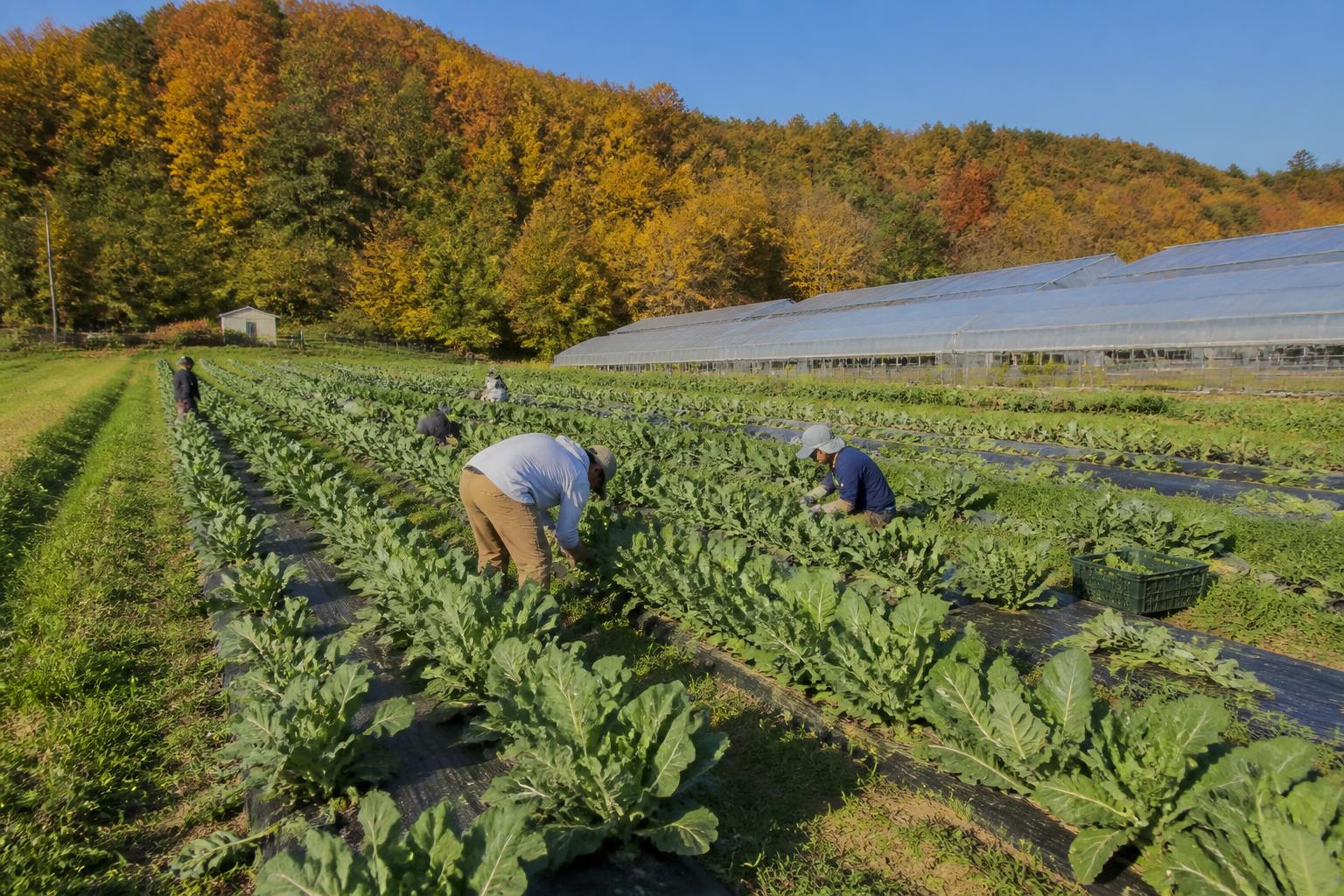
Kentucky agriculture is seeing a renewed focus on regulatory stability as producers prepare for the tail end of the growing season. Recent legislative developments in the state have established clearer frameworks regarding access to essential crop protection tools, providing a more predictable environment for growers who have long navigated the complexities of state-specific agricultural mandates.
For many producers, these legislative shifts act as a safeguard against potential volatility in input availability. As the fall harvest season ramps up, the ability to rely on consistent chemical application strategies is critical for managing field health without the risk of abrupt policy-driven supply chain disruptions. This shift towards clearer regulatory pathways is welcomed by many in the state, particularly as farms across the Bluegrass region begin to monitor harvest progress against the backdrop of changing regional logistics.
Ensuring Continuity in Crop Management
The agricultural sector often faces pressure from shifting federal and state guidelines, which can complicate long-term capital allocation for fertilizers and pest control. By securing access to these tools, Kentucky farmers can better align their field management programs with established best practices. This stability is particularly relevant as growers evaluate their logistics and transportation needs, ensuring that essential inputs reach the farm gate efficiently during the critical months of late summer and early fall.
Building for Future Productivity
Beyond immediate legislative wins, there is a growing emphasis on integrated approaches to farming in Kentucky. From advancements in gene research at the state level to the successful deployment of innovative greenhouse models, Kentucky is steadily diversifying its production footprint. These initiatives are not just about yields; they represent a broader commitment to sustainable, high-tech agricultural methods that can withstand the environmental variability inherent in the state's unique landscape.
What it means for the market: For agribusinesses and farmers, this legislative progress reduces one layer of operational risk. With a more stable regulatory climate, growers can focus on optimizing harvest logistics and planning their input procurement for the next season with greater confidence, potentially narrowing the range of uncertainty for operating costs heading into the new calendar year.
Comments
No comments yet - be the first to share your take.